


In the process of double disc grinding, the final surface quality depends not only on the precision of the machine itself but also on the scientific configuration of process parameters. Grinding wheel linear speed, workpiece feed rate, and the flow and pressure of the coolant are the three key variables that determine surface roughness and texture quality. Generally, a higher linear speed for the grinding wheel helps reduce cutting forces, resulting in a finer surface texture; however, this also poses a greater challenge to the dynamic balance of the spindle. Process engineers must accurately calculate the contact pressure between the wheel and the workpiece based on material hardness to prevent surface burns caused by localized overheating or premature wear of diamond tools.
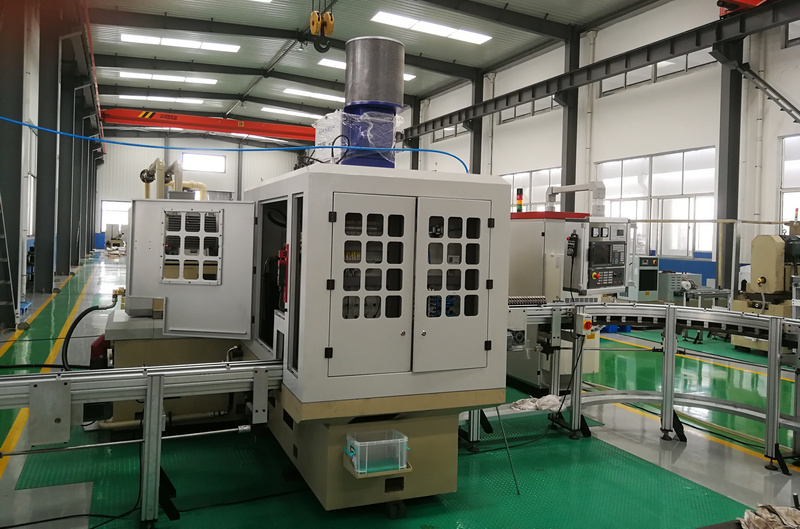
Another non-negligible direction for optimization is the wheel dressing strategy. The two grinding wheels of a double disc grinder must maintain a high degree of planar consistency. Regular precision dressing ensures that the abrasive grains on the wheel surface are uniformly distributed and possess good self-sharpening properties. When processing ultra-thin or easily deformable parts, employing asymmetrical grinding parameters or adjusting the relative feed rates of the two grinding heads can compensate for internal residual stresses in the material, thereby preventing spring-back deformation after unloading. Additionally, the chemical composition and filtration precision of the coolant directly affect the heat exchange efficiency in the grinding zone. High-quality synthetic cooling oils can effectively wash away grinding debris and prevent scratches on the workpiece surface. Through continuous exploration and optimization of these detailed parameters, manufacturing enterprises can push the surface quality of parts to new heights while maintaining production capacity.