


When selecting a double disc grinding machine, the design of the feeding mechanism often determines the automation level and processing limits of the entire production line. Common feeding methods include thru-feed, reciprocating, and rotary types, each corresponding to different workpiece shapes and precision requirements. Thru-feed grinding is primarily used for high-volume processing of small parts, where workpieces continuously pass through the grinding zone guided by rails, enabling extremely high output rates. For parts with irregular shapes or those requiring higher positional accuracy, reciprocating feed provides more stable clamping support, ensuring each product completes the grinding process within a controlled trajectory through the forward and backward movement of the work table.
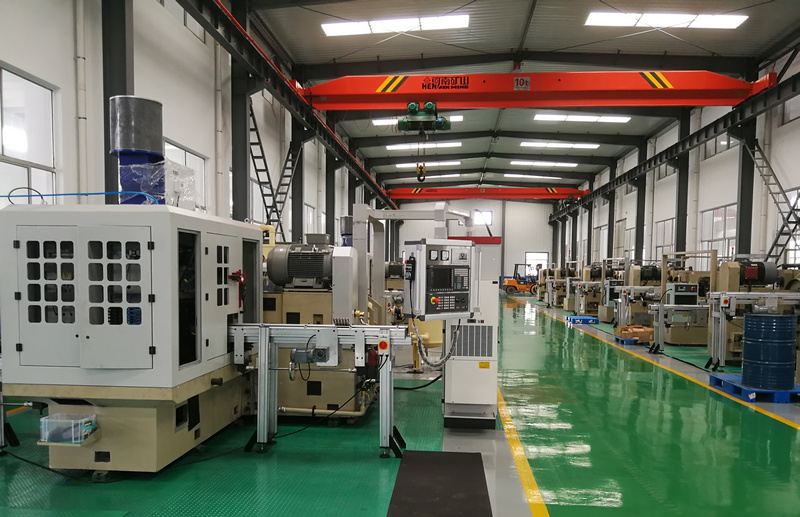
Beyond the basic mechanical structure, selection also requires consideration of spindle drive power and grinding wheel diameter. High-power motors provide more stable cutting torque, especially when processing cemented carbides or high-strength stainless steel, where ample power reserves effectively prevent surface ripples caused by spindle speed fluctuations. Additionally, the diameter of the grinding wheel is directly related to the contact arc length in the grinding zone; larger diameter wheels not only have a longer service life but also offer better surface coverage when handling large workpieces. For buyers on independent websites, understanding the compatibility between these core technical parameters and their own machining needs is the critical first step in ensuring a high return on investment.