


With the explosive growth of the global new energy vehicle (NEV) industry, the demand for lightweight and high-precision components has placed higher requirements on machining processes. In the electric drive systems, braking systems, and thermal management systems of NEVs, there are numerous thin-plate parts that require extremely high parallelism. Leveraging its efficient thru-feed machining capabilities, the double disc grinding machine has become a key process link in this supply chain. Taking rotor laminations for drive motors and high-precision friction plates in braking systems as examples, these parts are often characterized by thin profiles, high material hardness, and massive production volumes. Traditional machining methods struggle to balance efficiency with geometric tolerances, whereas double disc grinders can easily achieve high outputs of thousands of pieces per hour through continuous feeding and synchronous dual-side cutting, all while maintaining an exceptionally high yield rate.
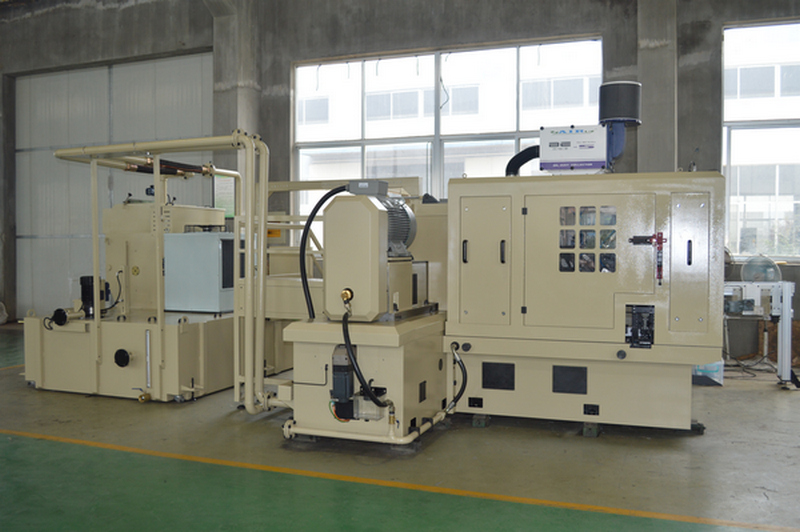
Furthermore, in the processing of various valve plates and pump components used in NEV thermal management systems, double disc grinding machines demonstrate an irreplaceable advantage. Because electronic control systems have strict requirements for hydraulic or pneumatic sealing, the grinding quality of the part surface directly affects the energy efficiency of the entire vehicle. By configuring different types of vitrified or diamond grinding wheels, double disc grinders can perform precision machining on a variety of materials, including aluminum alloys, stainless steel, and even ceramics. This process flexibility, combined with the integration of automated robotic arms, enables the entire production line to achieve unmanned operation from raw material input to finished product output. In today's pursuit of green production and cost reduction, double disc grinding technology is helping the NEV industry achieve more sustainable technological upgrades by reducing energy consumption and improving material utilization.