


In precision machining, dimensional tolerance, parallelism, and flatness are the three core indicators used to measure workpiece quality. The reason why double disc grinding machines can achieve near-stringent micron-level accuracy in these indicators is primarily due to their unique structural rigidity and advanced feed compensation systems. Unlike conventional single-sided grinding, during the double disc grinding process, the workpiece is positioned between two high-speed rotating grinding wheels. This symmetrical arrangement allows the grinding forces to reach a perfect dynamic balance on both sides of the component. This state of equilibrium not only eliminates bending deformation caused by uneven forces but also effectively offsets subtle vibrations generated by the spindles at high speeds, ensuring extremely high physical flatness of the machined surface.
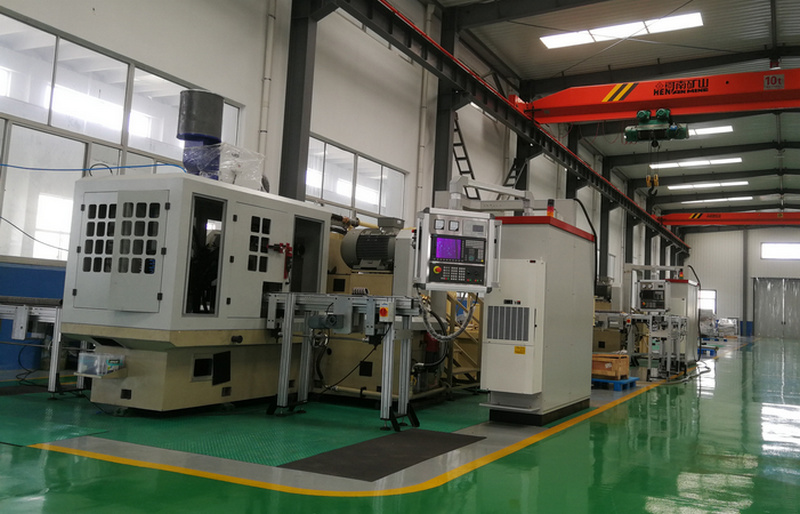
To maintain this extreme precision, modern double disc grinders generally integrate high-sensitivity in-process measurement and feedback technology. During continuous production, the grinding wheels experience wear, which can cause slight shifts in the machining gap. Intelligent control systems can obtain real-time thickness data of the workpieces via probes or non-contact sensors and automatically adjust the actual position of the grinding heads with micron-level stepping precision. Furthermore, the machine bed is typically constructed from cast iron materials with high damping characteristics, combined with a constant-temperature circulating cooling system to minimize the negative impact of thermal expansion on machine accuracy. This comprehensive optimization, from structural design to digital control, makes the double disc grinder an inevitable choice for the mass production of core components such as high-precision valve plates, shims, and piston rings.