


Quality control is a cornerstone of modern manufacturing, and achieving consistent, high-precision results is essential for maintaining competitive advantage. In this context, double disc grinding machines play a crucial role by helping manufacturers meet rigorous quality standards across various industries. Unlike conventional single-sided grinding methods, double disc grinders process both faces of a workpiece simultaneously, which reduces variability caused by repeated handling and eliminates discrepancies that often arise from separate surface processing. This dual-surface approach ensures that parts maintain consistent thickness, flatness, and parallelism, significantly lowering defect rates and improving overall yield.
The ability of double disc grinding machines to minimize defects is closely linked to their advanced engineering and precise operation. Precision spindles maintain stable rotational accuracy, while rigid, vibration-damping frames reduce unwanted oscillations during grinding. Controlled coolant systems help regulate temperature throughout the machining process, preventing thermal expansion or warping that could compromise surface integrity. These features work together to create a stable and reliable machining environment, ensuring that each component meets its specified dimensional requirements with minimal deviation.
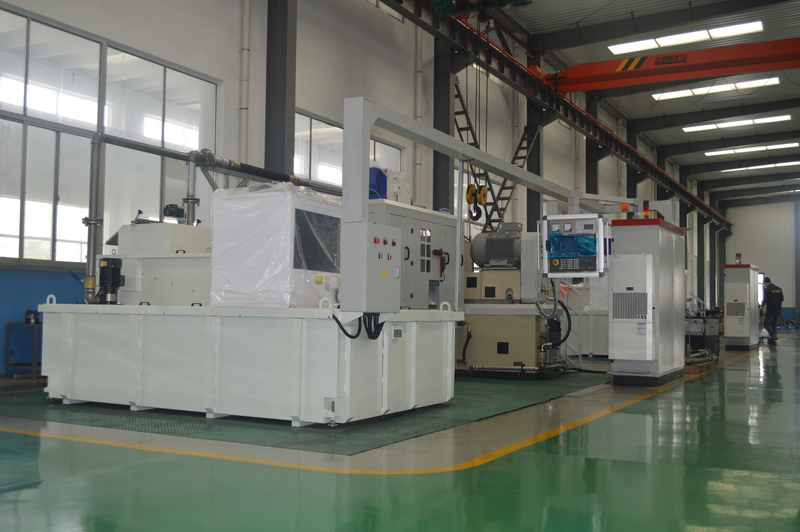
In addition to the mechanical advantages, double disc grinders can be integrated with modern inspection and monitoring technologies. Inline measurement systems, such as laser or optical sensors, allow manufacturers to track critical parameters like flatness, parallelism, and thickness in real time. This enables proactive adjustments during the grinding process, allowing operators to detect and correct potential issues before they result in scrap or rework. The combination of dual-face grinding and real-time monitoring creates a quality control system that is both highly efficient and highly reliable, reducing the likelihood of defective parts reaching downstream processes or customers.
The impact of double disc grinding on quality assurance is particularly evident in high-precision industries such as aerospace, automotive, hydraulic systems, and industrial tooling. For example, in aerospace component manufacturing, even minor deviations in flatness or thickness can affect assembly accuracy, performance, and safety. Similarly, automotive transmission parts and hydraulic valve components require consistent parallelism to ensure proper function and long service life. By using double disc grinding machines, manufacturers can reliably produce parts that meet these strict standards, reducing variability and improving overall product performance.
Minimizing defects also has significant financial and operational benefits. Fewer defective parts mean lower scrap rates, reduced rework, and more efficient use of raw materials. Production workflows become more predictable, which allows for better scheduling and resource allocation. Companies can reduce labor and energy costs associated with manual inspection or additional finishing steps, ultimately lowering the total cost per part while maintaining high quality. In competitive manufacturing environments, these efficiency gains translate into improved profitability and faster turnaround times for customers.
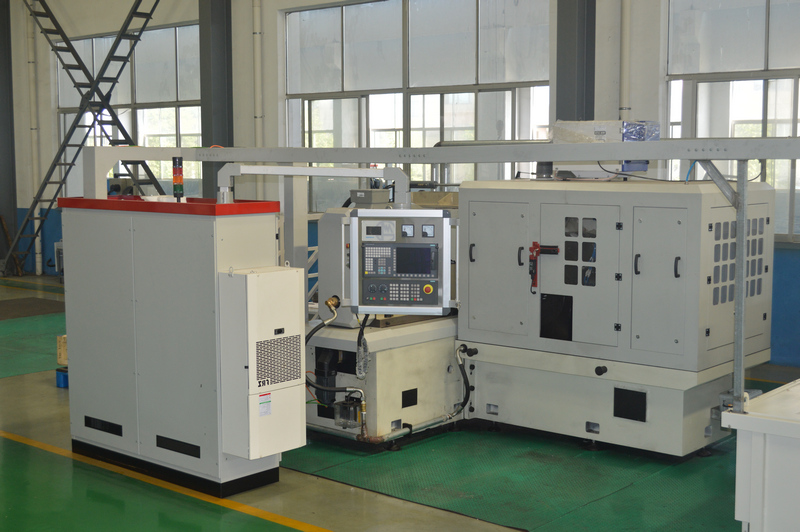
Moreover, consistently high-quality output enhances customer satisfaction and strengthens business relationships. When manufacturers can reliably deliver parts that meet specifications without extensive inspection or rework, clients gain confidence in the supplier’s capabilities. This reliability is especially valuable for industries where precision and safety are critical, such as aerospace, medical devices, and automotive components. By minimizing defects through the use of double disc grinding machines, manufacturers not only improve operational efficiency but also enhance their reputation as trusted, high-quality suppliers.
In summary, double disc grinding machines offer a comprehensive solution for minimizing defects and improving quality control in precision manufacturing. By grinding both faces of a part simultaneously, they reduce variability, maintain consistent surface flatness and parallelism, and allow for real-time monitoring and adjustments. The resulting improvements in yield, efficiency, and product performance make these machines indispensable for industries that demand tight tolerances and high-quality components. Implementing double disc grinding technology enables manufacturers to reduce scrap, lower operational costs, and deliver reliable, high-precision products that satisfy both production requirements and customer expectations.