


Industrial manufacturers are continually seeking ways to enhance operational efficiency while maintaining the highest standards of product quality. Traditional grinding methods often involve separate processing of each surface, requiring multiple passes and extensive manual handling. This approach can increase production time, elevate labor costs, and introduce inconsistencies in flatness, parallelism, or dimensional tolerances. A double disc grinding machine addresses these challenges by grinding both faces of a component simultaneously. By performing dual-side grinding in a single pass, manufacturers can achieve precise material removal, consistent surface finish, and uniform thickness, all while significantly reducing overall processing time.
One of the primary advantages of double disc grinding machines is their ability to maintain stable grinding parameters throughout production. High-precision spindles, reinforced machine frames, and optimized cooling systems ensure that the grinding process remains consistent even during extended operation. This stability minimizes variations between individual parts, resulting in higher product uniformity and lower rejection rates. Because the workpiece is clamped and ground on both sides simultaneously, repeated handling is minimized, reducing the risk of deformation or warping that can occur when surfaces are processed sequentially. As a result, manufacturers experience improved yield rates and greater confidence in the dimensional accuracy of every component produced.
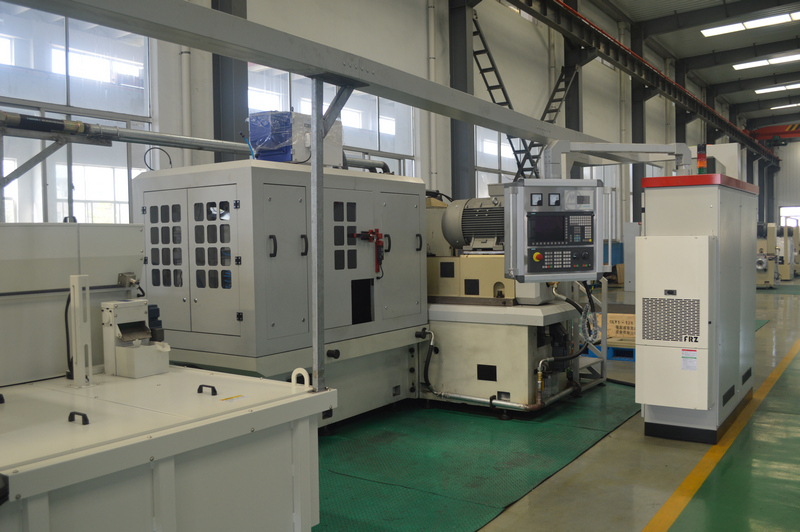
The productivity benefits of double disc grinding machines are particularly pronounced in high-volume production environments. Industries such as automotive manufacturing, aerospace, hydraulic equipment production, and general metal fabrication rely on the ability to produce large quantities of precise components quickly and efficiently. For example, in the fabrication of hydraulic valve plates or precision transmission components, maintaining strict flatness and parallelism is critical to ensure proper assembly and system performance. Double disc grinders enable manufacturers to meet these stringent requirements while completing more parts per shift, directly impacting throughput and profitability.
In addition to saving time, double disc grinding technology also reduces operational costs. By eliminating multiple grinding passes and secondary finishing steps, companies can lower labor requirements and minimize energy consumption. The reduced need for handling and rework further decreases waste, improving material utilization and overall cost efficiency. Advanced machines equipped with automated feeding systems and CNC control provide additional operational benefits, allowing operators to program specific grinding parameters for different materials and part sizes. This automation not only enhances process repeatability but also frees personnel to focus on quality inspection and other value-added tasks, further improving productivity and cost-effectiveness.
Double disc grinding machines also offer versatility that enhances long-term manufacturing flexibility. They can process a wide range of materials, including steel, aluminum, copper, and specialized alloys, while maintaining stable performance and precise tolerances. This capability allows manufacturers to adapt quickly to changing production demands or new product specifications without the need for extensive equipment changes. Whether producing small, intricate components or large structural parts, double disc grinding technology ensures consistent quality while supporting efficient, scalable operations.
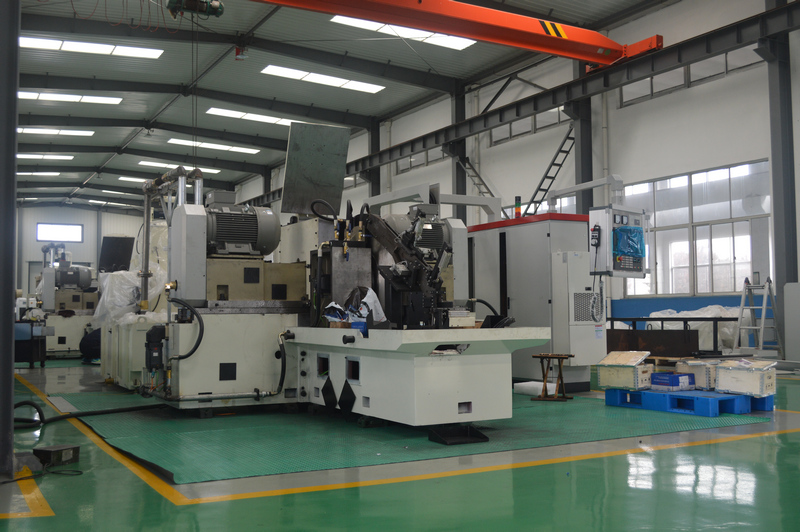
Furthermore, the use of double disc grinders contributes to improved overall workflow management. With faster cycle times and reduced defect rates, production schedules become more predictable, enabling manufacturers to plan delivery timelines with greater accuracy. High throughput and reliable precision help companies stay competitive in markets where rapid turnaround and consistent quality are essential. The combination of efficiency, cost savings, and high-quality output makes double disc grinding machines a strategic investment for any manufacturer aiming to optimize both production performance and profitability.
In summary, double disc grinding machines provide a comprehensive solution for manufacturers looking to improve operational efficiency and reduce manufacturing costs. By grinding both faces of a workpiece simultaneously, they save time, minimize labor requirements, and produce parts with superior flatness, parallelism, and dimensional accuracy. Their versatility across materials and part types, combined with automation, stable operation, and reduced handling, makes them indispensable in high-volume and precision production environments. Implementing double disc grinding technology allows manufacturers to streamline workflow, lower production costs, and maintain a competitive edge while delivering reliable, high-quality components to their customers.