


As the “teeth” of grinding operations, the selection, installation, and maintenance condition of grinding wheels directly determine the processing efficiency, workpiece quality, and overall cost of double disc grinding machines. A scientifically sound and well-structured grinding wheel management approach can effectively extend their service life, achieving cost reduction and efficiency gains.
Precise selection is the cornerstone of extending grinding wheel life. Selection should not pursue maximum performance but rather find the optimal balance for the specific machining task. This requires comprehensive consideration of five core elements: abrasive material, grit size, hardness, bonding agent, and structure.
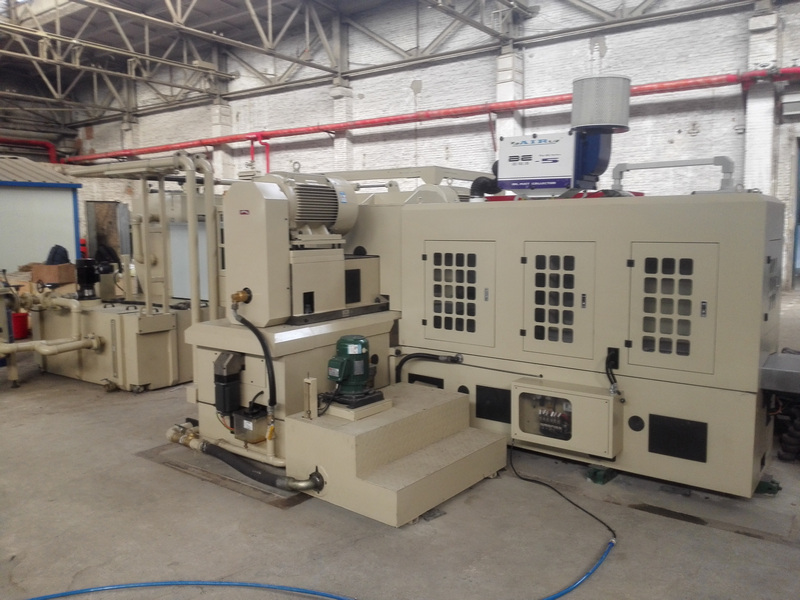
Proper installation and balancing are prerequisites for stable wheel operation and preventing abnormal damage. Before installation, conduct a rigorous “sound test” by lightly tapping the wheel with a wooden mallet; a clear, crisp sound indicates no cracks and signifies suitability for use. During installation, the flange must be clean and free of foreign objects. Its diameter should be no less than one-third of the wheel diameter, with an elastic shim placed between them. Tighten bolts using a diagonal, step-by-step approach to ensure uniform clamping force distribution. For high-precision grinders, post-installation static balancing is mandatory. This critical step prevents spindle vibration, enhances workpiece surface quality, and avoids localized impact damage to the wheel. Even minor imbalances are amplified during high-speed rotation, becoming precision and safety hazards. After balancing, conduct an idle test run to further verify installation reliability.
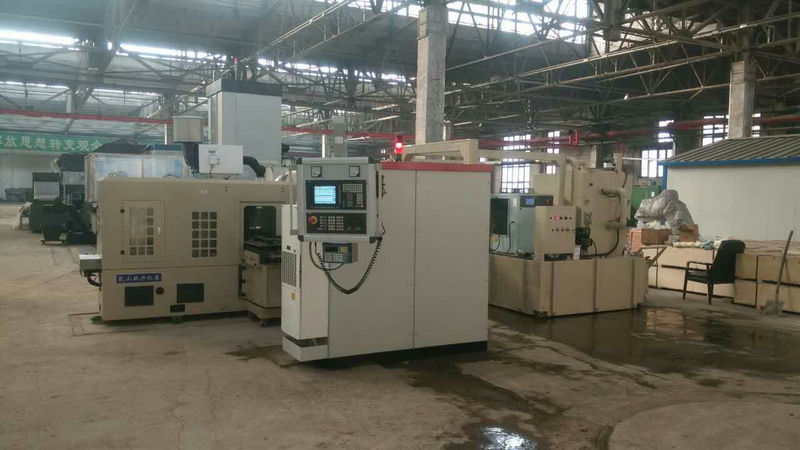
Precision operation and timely dressing form the core practice for maximizing grinding wheel life. During grinding, avoid overloading and excessive cutting depths, adhering to the principle of progressive grinding. Reasonable and adequate use of coolant not only prevents workpiece burn but also effectively flushes away grinding debris, reducing adhesive clogging of the grinding wheel. Signs indicating the need for dressing include wheel dullness, increased grinding force, deteriorating workpiece surface quality, or dimensional errors. The purpose of dressing is to restore the wheel's sharpness and correct geometric shape. Select a sharp diamond dressing tool and perform dressing at appropriate feed rates and speeds. Dressing depth should be minimized while ensuring removal of the dull layer and restoration of cutting capability, thereby reducing unnecessary wheel wear. This preventive, precision dressing strategy—rather than waiting until the wheel is completely worn—significantly extends total wheel life, achieving a balance between economy and efficiency.