


As a critical piece of equipment for achieving high-precision parallelism and dimensional consistency in workpieces, the adherence to standardized daily operating procedures for double disc grinding machines directly impacts operator safety, equipment lifespan, and final product quality. Establishing and strictly enforcing a scientific, rigorous set of operating protocols is fundamental to ensuring smooth production operations.
Workplace safety is the foremost priority in all operations. Operators must undergo rigorous training before commencing duties, gaining thorough familiarity with the machine's structure, performance, and the location of emergency stop buttons. Prior to daily startup, conduct a meticulous equipment inspection, including checking grinding wheels for cracks or significant wear, verifying secure mounting, and ensuring protective covers are reliably closed. Operating the machine with any safety guards removed is strictly prohibited. When clamping workpieces, ensure the magnetic chuck or fixture contact surfaces are free of contaminants and burrs, and verify the workpiece is securely held. Wear required personal protective equipment, such as safety goggles, to prevent exposure to grinding debris and coolant splashes. Never extend any part of the body into the machining area while the equipment is running. Adjustments, measurements, or cleaning of workpieces must only be performed after the equipment has come to a complete stop. After completing work, disconnect the main power supply and thoroughly clean the equipment and work area to maintain orderliness.
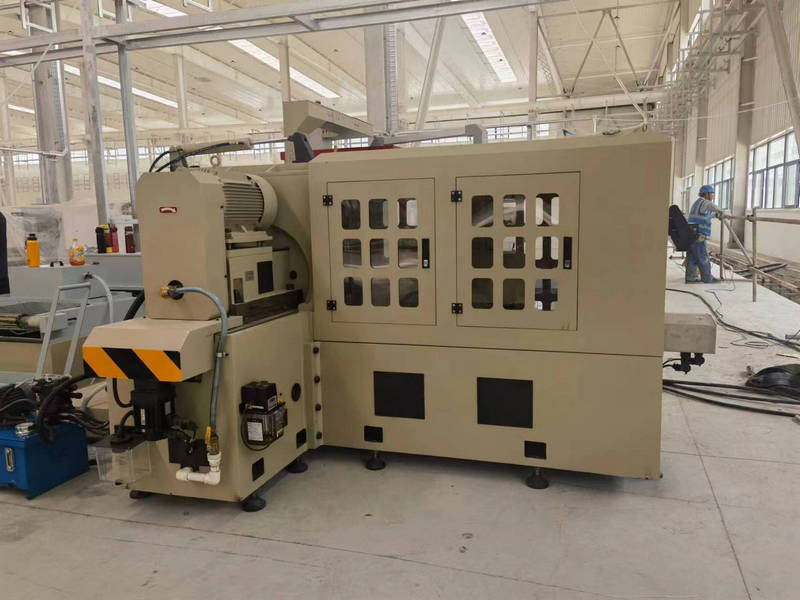
While ensuring safety, long-term stability of precision is the core objective of operational standards. After daily startup, perform no-load operation to allow critical components like spindle bearings and guideways to warm up under adequate lubrication until reaching a stable thermal equilibrium. This is a crucial step for ensuring the precision of the first part processed. Workpiece clamping is not only a safety critical point but also the foundation of precision. Absolute cleanliness must be maintained on the workpiece locating surfaces, magnetic plates, and fixture support surfaces. Even minute dust or swarf particles can cause workpiece tilt, resulting in parallelism deviations. For batch production, first-piece inspection must be strictly enforced using measuring tools like dial indicators to verify workpiece dimensions and parallelism. Only after passing inspection should further machining proceed.
During grinding operations, operators must adhere to process specifications and set grinding parameters appropriately. Avoid excessive feed rates in pursuit of efficiency, as this accelerates wheel wear, risks workpiece burning or deformation, and may cause latent damage to machine tool accuracy. Coolant usage is equally critical. Ensure adequate flow rate, pressure, and precise spray angle to achieve effective cooling and flushing, preventing thermal deformation from grinding heat and grinding wheel clogging. Additionally, cultivate the habit of “turning off the machine when leaving” or pausing operations to avoid unnecessary wear and energy consumption from idle running.
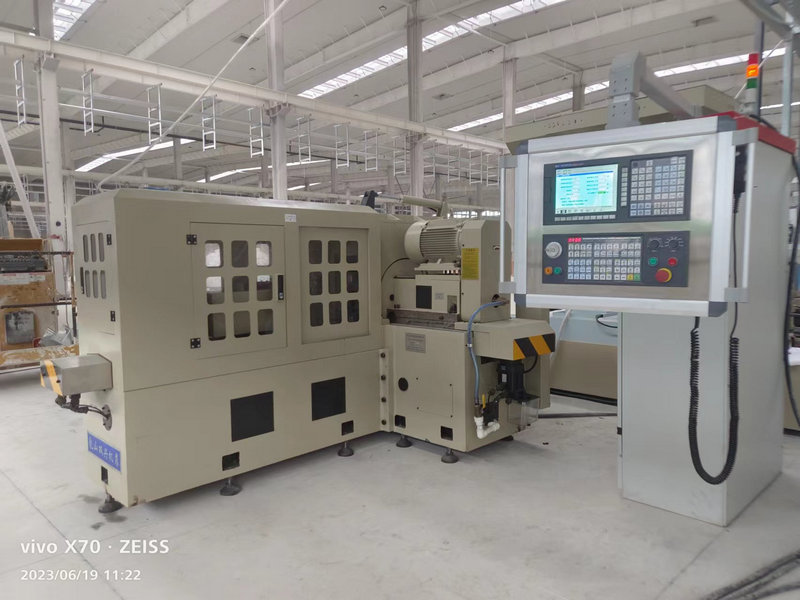
In summary, the daily operation of a double disc grinding machine is a process that integrates safety awareness and precision principles into every detail. Only by internalizing standardized operating procedures as habitual practices can risks be minimized, equipment performance optimized, and high-quality workpieces produced consistently and reliably.