


The machining quality of double disc grinding machines constitutes the core measure of their value. To achieve stable and high-precision output, it is essential to systematically control five interrelated key factors. These elements collectively form the cornerstone of precision grinding processes.
Grinding wheel selection and dressing form the primary prerequisite. As the tool directly executing the cutting action, the wheel's grit size, hardness, and bonding agent type must perfectly match the workpiece material. Inappropriate selection can lead to workpiece burning, vibration marks, or accelerated wheel wear. Furthermore, regular, precise wheel dressing is crucial. A sharp, accurately shaped wheel ensures stable cutting forces, thereby achieving ideal dimensional accuracy and surface finish.
The management of grinding fluids is frequently underestimated yet indispensable. It not only cools the grinding zone to prevent thermal deformation of the workpiece but also provides effective lubrication and cleaning functions, promptly flushing away swarf. The concentration, pH level, cleanliness, and flow rate of the grinding fluid all require strict monitoring. Contaminated coolant can scratch the workpiece surface and cause clogging of the grinding wheel's pores, directly impacting machining quality.
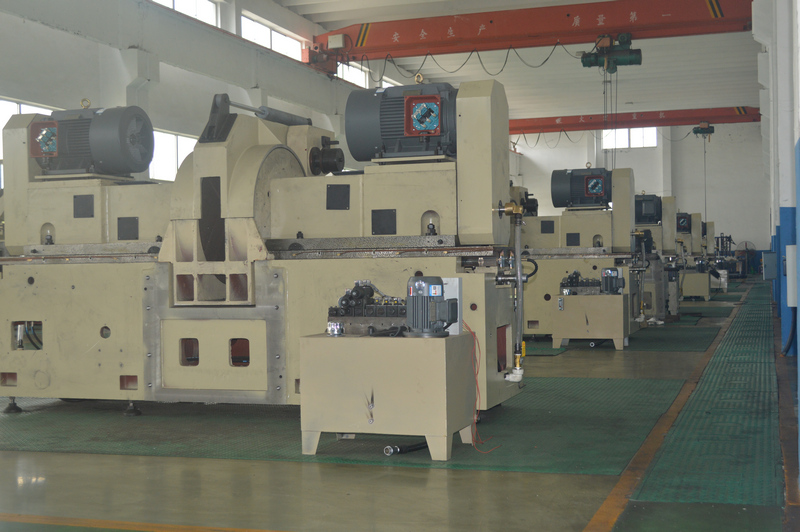
The stability of the workpiece feeding system underpins consistency. Whether employing through-feed or rotary feeding, each workpiece must traverse the grinding zone smoothly and at a constant speed. Any minute jitter, jamming, or velocity fluctuation will directly manifest in workpiece parallelism and dimensional dispersion. Stable feeding is the prerequisite for achieving high dimensional uniformity in batch-produced parts.
Optimising process parameters lies at the heart of the technology. The grinding wheel speed, workpiece feed rate, and grinding depth must be finely tuned as an integrated system. Excessively rapid feed or excessive cutting depth can induce machine vibration and wheel overload; conversely, overly conservative parameters lead to inefficient production and potential burn damage. Striking the optimal balance between quality and efficiency is paramount.
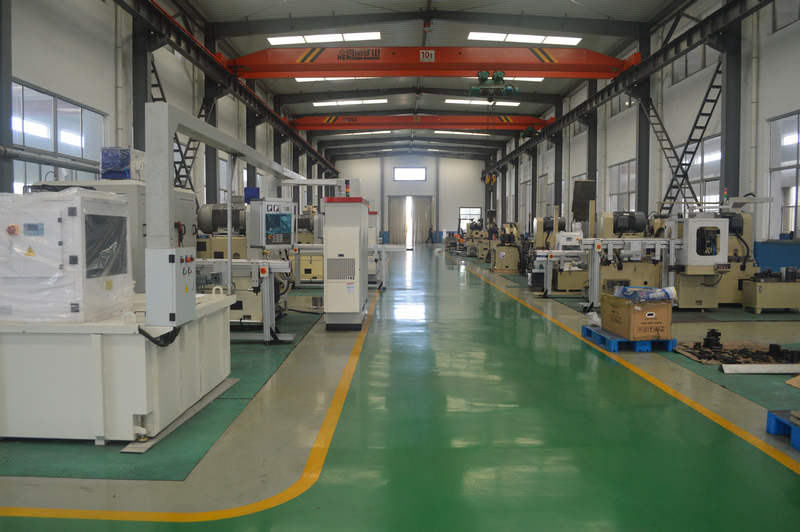
Finally, proactive inspection and compensation form the closed-loop system for sustained quality stability. Relying solely on post-production inspection cannot prevent scrap generation. Integrating an online measurement system to monitor workpiece dimensions in real time, automatically triggering compensation when grinding wheel wear causes dimensional deviation, represents the most efficient means of achieving intelligent, preventive quality control. Mastering these five key factors elevates the machining quality of double-end grinding machines to new heights.