


As high-precision machining equipment, stable operation of double disc grinding machines is fundamental to ensuring product quality and production efficiency. Mastering methods for diagnosing common faults and performing maintenance is crucial for reducing unplanned downtime and extending equipment lifespan.
During prolonged operation, certain typical faults may arise. Unstable or out-of-tolerance dimensions after workpiece machining are typically caused by excessive grinding wheel wear without timely compensation, loss of feed system precision, or hydraulic system pressure fluctuations. Noticeable vibration marks or scorching on workpiece surfaces necessitate thorough inspection of grinding wheel dynamic balance failure, excessive spindle bearing clearance, or loose dressing tools. Burn marks are often also linked to improper grinding fluid concentration, insufficient flow rate, or excessively hard grinding wheel selection. If workpiece parallelism is poor, the issue may lie in the feed mechanism, such as guide rail wear, conveyor belt slippage, or reduced fixture positioning accuracy. Identifying the root causes behind these fault phenomena is the first step towards effective maintenance.
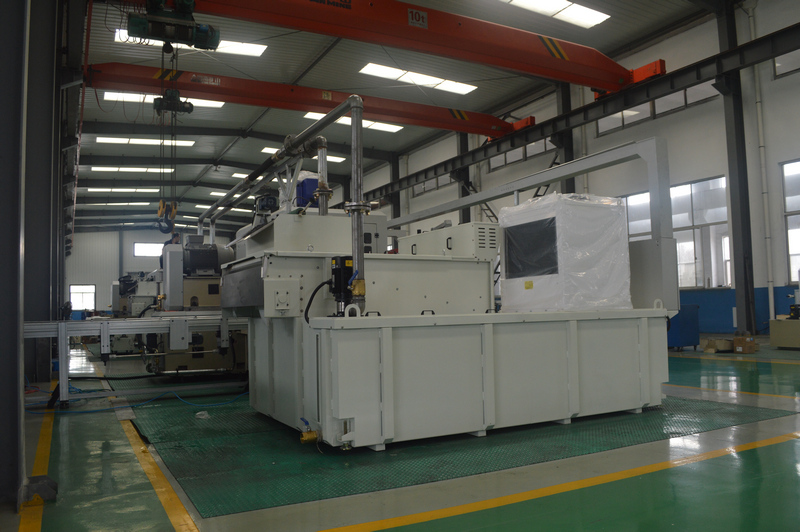
To prevent faults from occurring, executing standardised and timely maintenance is key. Routine care should focus on cleaning and inspection, including removing grinding debris, checking coolant levels and concentration, and verifying pneumatic and hydraulic pressures. Weekly or monthly maintenance requires attention to critical components, such as lubricating feed guideways, inspecting drive belt tension, and cleaning or replacing coolant filters. Additionally, regular checks on grinding wheel flange fastenings to prevent loosening are vital.
For sustained, stable operation, annual or hour-based comprehensive overhauls are indispensable. These should include: - Spindle accuracy testing and adjustment by qualified technicians - Inspection and calibration of feed system backlash - Comprehensive diagnostics of hydraulic and electrical systems Maintaining detailed maintenance records facilitates equipment condition tracking and enables predictive maintenance.
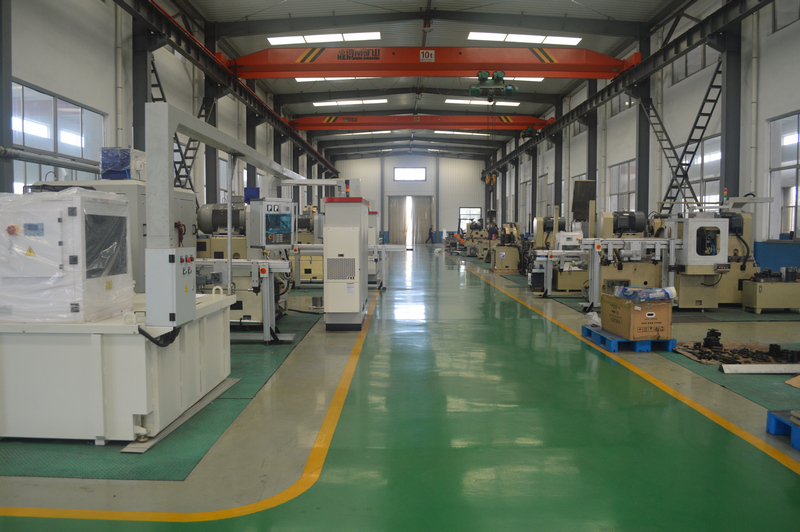
Combining daily inspections, periodic maintenance, and scheduled overhauls significantly reduces the failure rate of double disc grinding machines. This proactive maintenance strategy proves far more cost-effective than passively awaiting breakdowns before undertaking emergency repairs, forming a robust foundation for ensuring equipment consistently operates at peak performance.