


Selecting an appropriate double disc grinding machine is a critical decision directly impacting product quality, production efficiency, and long-term investment returns. Faced with numerous brands and models on the market, making the correct choice requires systematic consideration of several core factors.
The primary step is to clarify your machining requirements. This encompasses the workpiece materials to be processed, dimensional ranges, target output, and most critically, the quality specifications—such as the required micrometre-level flatness, parallelism, and dimensional tolerances. These specific parameters form the basis for equipment screening. Employing an expensive, ultra-high-precision machine for low-demand products constitutes waste; conversely, an underpowered machine will fail to produce compliant parts.
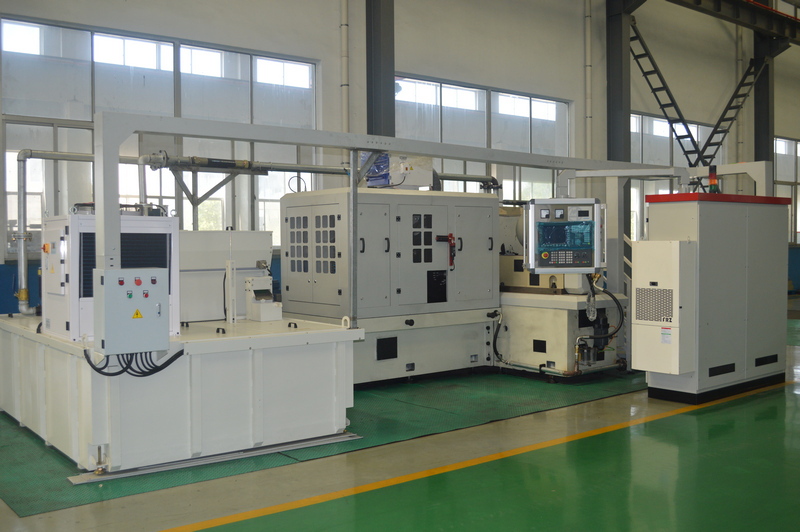
Once requirements are defined, focus shifts to key technical characteristics of the machine tool. Rigidity and stability form the foundation for ensuring machining accuracy and consistency, particularly during heavy-duty grinding or processing of hard materials. The grinding wheel's dimensions, power rating, and speed range must align with your material removal rate and surface finish requirements. The type of feed system (e.g., through-feed, swing-arm, or rotary) and its control precision determine production cycle times and workpiece dimensional stability.
Automation and intelligence levels are pivotal for enhancing efficiency and reducing reliance on skilled operators. Assess the necessity for automated loading/unloading robots, in-line measurement systems, and automatic grinding wheel dressing and compensation functions. These configurations significantly minimise manual intervention, ensure batch production quality stability, and form the core of achieving ‘unmanned’ production.
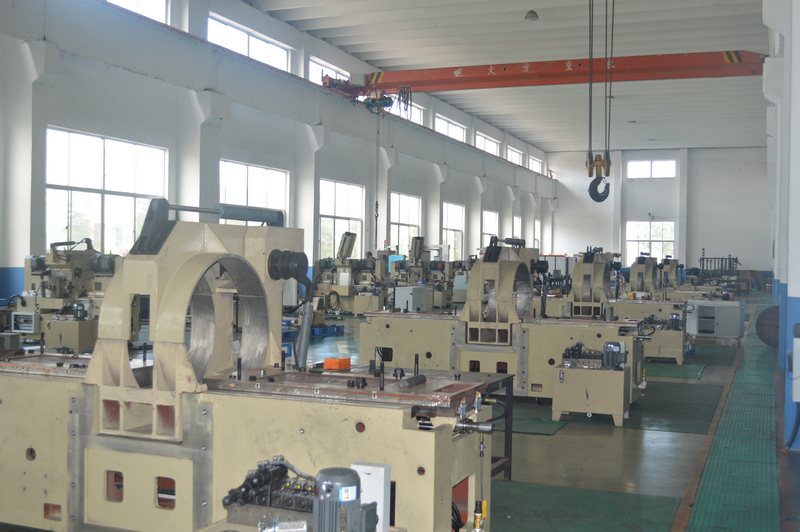
Finally, the brand's technical support and after-sales service must be considered. A machine tool's entire lifecycle requires reliable technical assistance, timely spare parts supply, and comprehensive maintenance services. Selecting a supplier with a strong industry reputation and extensive service network delivers value far exceeding the initial equipment cost, effectively safeguarding production continuity and stability.
In summary, selecting a double disc grinding machine involves a comprehensive balancing act between process requirements, technical specifications, automation investment, and long-term service support. Only through rigorous evaluation can one invest in equipment that best aligns with production objectives, laying a solid foundation for future development.