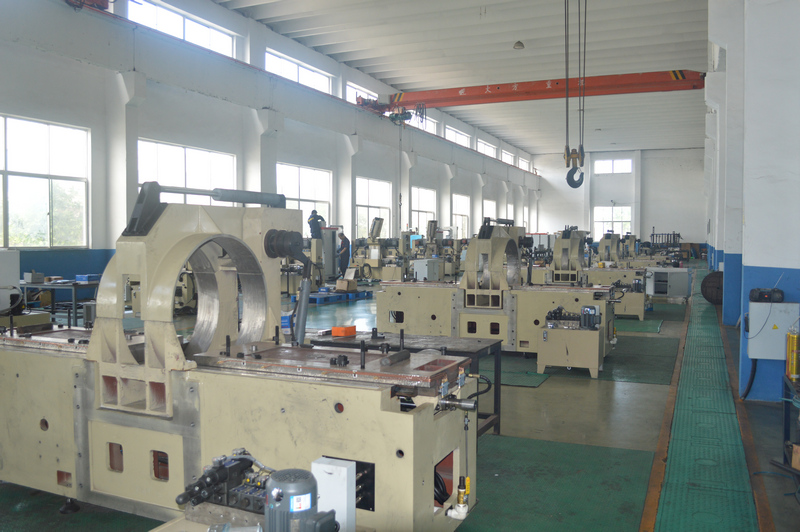


As high-precision machining equipment, double disc grinding machines operate with accuracy measured in micrometers. Neglecting routine maintenance can compromise product quality. Implementing these three steps—pre-shift inspection, post-shift cleaning, and regular maintenance—not only reduces malfunctions but also ensures long-term stable performance.
Pre-shift inspections must “focus on critical areas.” Before startup, examine the grinding wheel condition: check for surface cracks or chipped edges. Replace immediately if damaged to prevent fragmentation during high-speed rotation. Next, verify coolant level—top up if below the mark. Simultaneously inspect coolant quality (replace if it smells off or appears cloudy) to prevent clogged lines and impaired heat dissipation. Finally, test the equipment's operational status by running it idle for 3 minutes. Listen for abnormal sounds from the spindle and observe whether the worktable moves smoothly. If any stuttering or unusual noises occur, stop the machine immediately for troubleshooting. Never operate with faults present.
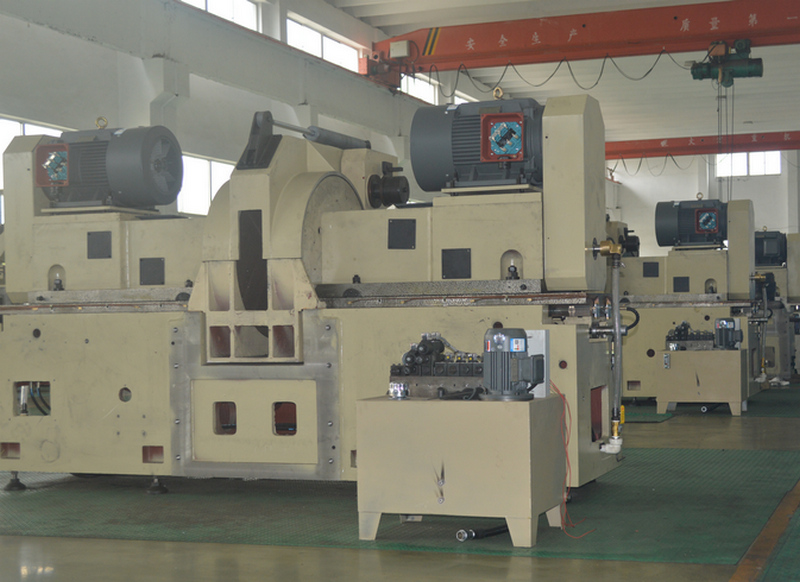
Post-shift cleaning must be thorough. After operation, use compressed air to blow away metal debris from the grinding wheel, worktable, and guide rails, taking care to avoid electrical components to prevent dust ingress. Then wipe the equipment surface with a cloth dipped in neutral detergent to remove residual coolant and oil stains, especially in guide rail crevices. Use a specialized brush to clear debris to prevent long-term accumulation causing guide rail wear. Finally, clean the coolant tank by opening the drain valve to remove sediment. Thoroughly clean the tank monthly to prevent impurities from clogging the filter and affecting coolant circulation efficiency.
Precision maintenance is essential. Weekly lubrication of guideways and ball screws requires specialized grease selected according to equipment specifications—never mix grades. After application, manually move the worktable to ensure even distribution. Monthly inspections of the hydraulic system should include checking pipes for leaks and replacing hydraulic oil filters to prevent contaminants from entering the pump. Quarterly, disassemble the spindle bearings. Remove old grease and replenish with high-temperature grease. Simultaneously inspect bearing clearance; replace bearings promptly if clearance is excessive to maintain spindle rotational precision.
Implementing these three routine maintenance tasks not only reduces failure frequency in double disc grinding machines but also ensures stable machining accuracy, extends equipment lifespan, and provides reliable assurance for batch production.