


In the precision grinding of difficult-to-machine materials such as ceramics, silicon carbide, and cemented carbide, “chipping, cracking, and thermal deformation” remain persistent industry-wide pain points. These materials typically exhibit high hardness (e.g., cemented carbide exceeding HRC 60, ceramics at Mohs hardness level 9) and high brittleness. Traditional double-sided grinding machines, constrained by fixed grinding parameters and inadequate cooling, often result in chipping rates as high as 12%-15%, with scrap costs exceeding 20% of production expenses. Additionally, high-temperature grinding induces internal stress concentration in the material, compromising final product precision and service life. Addressing this industry bottleneck, the new-generation double-sided grinding machine achieves breakthrough improvements in grinding quality for difficult-to-machine materials through a “flexible grinding process + intelligent temperature control system.”
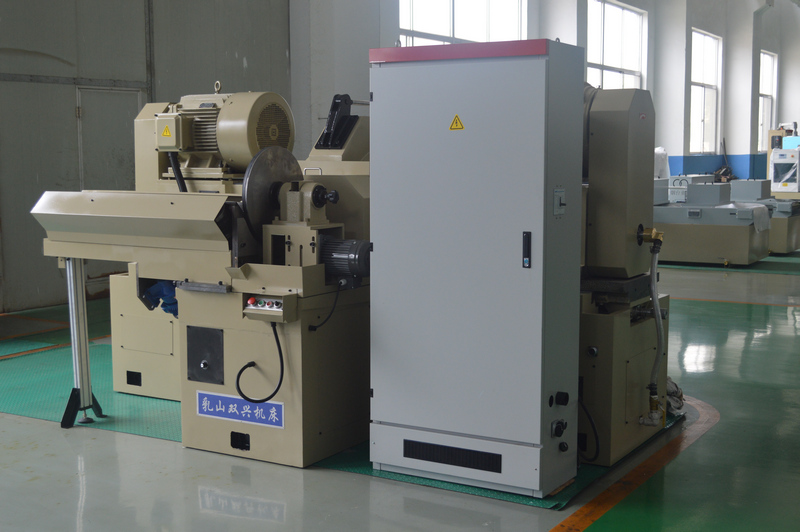
This technological upgrade focuses on three core areas: First, intelligent adaptive adjustment of grinding parameters. The equipment incorporates a database of over 200 common difficult-to-machine materials. It automatically matches grinding wheel speed (800-4000 rpm), grinding pressure (0.1-0.5 MPa), and feed rate (0.001-0.01 mm/s) based on material hardness and toughness, preventing impact damage caused by rigid grinding. Second, innovative grinding wheel technology employs diamond-cubic boron nitride (CBN) composite wheels that combine high hardness with exceptional wear resistance. Paired with an automatic wheel dressing system, it compensates for wheel wear in real time, ensuring consistent precision with every grind. Third, comprehensive precision temperature control is achieved by installing six sets of multi-angle cooling nozzles in the grinding zone. Coupled with real-time temperature sensors, this system strictly maintains grinding temperatures below 60°C, eliminating material thermal deformation and cracking at the source.
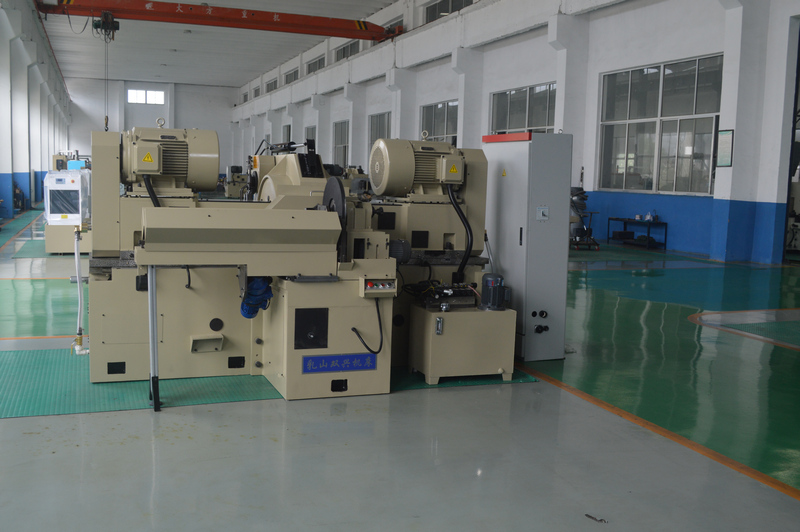
From a technological application perspective, the upgraded double-face grinding machine not only expands its application scenarios in new energy (e.g., silicon carbide power devices), aerospace (e.g., ceramic high-temperature components), and high-end cutting tools (e.g., cemented carbide tools), but also provides a standardized solution for precision machining of difficult-to-cut materials. By integrating flexible grinding with intelligent temperature control, it reduces chipping rates in difficult-to-machine materials to under 2% and stabilizes surface roughness below Ra 0.2μm. This effectively lowers scrap costs for enterprises while enhancing core product performance, helping high-end manufacturing industries overcome material processing bottlenecks.