


With its high precision and efficiency, a double disc grinding machine can process a variety of materials. In the field of metallic materials, carbon structural steel is a common processing material, such as 45# steel, which has moderate hardness and is less prone to tool adhesion during grinding. It is frequently used for the roughing or semi-finished processing of mechanical parts, such as gear blanks and bearing rings. Double-sided grinding can quickly remove oxide scale after forging or hot rolling while ensuring parallelism between the two surfaces. Alloy structural steel, due to its alloy elements, has higher hardness and requires grinding with ceramic or CBN wheels. It is typically used for precision end-face grinding of automotive transmission gears.
Stainless steel has high plasticity and poor thermal conductivity, and grinding can generate grinding heat that causes wheel clogging. It requires a high-pressure cooling system and a wheel with large pores. It is commonly used for processing components of medical devices and food machinery. Double-end face grinding can eliminate deformation caused by welding. Cast iron contains graphite, which has a lubricating effect, resulting in good grinding performance. However, attention must be paid to wheel wear caused by graphite shedding. It is suitable for processing the end faces of engine cylinder blocks.
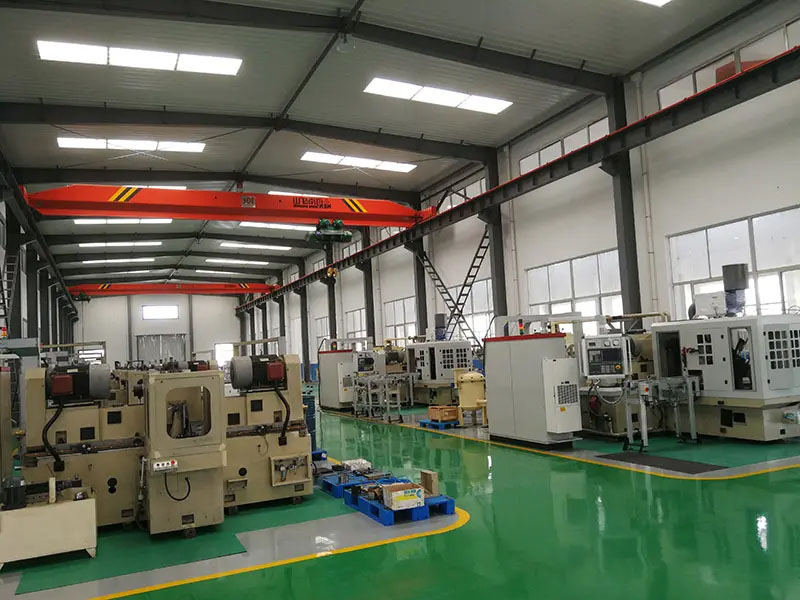
Among non-ferrous metals, aluminum alloys have low hardness and high thermal expansion coefficients, requiring the use of ultra-soft grinding wheels and low-temperature grinding to prevent material adhesion and thermal deformation. They are commonly used for end face machining of aluminum alloy frames in the aerospace industry. Copper alloys have high plasticity and are prone to “copper growth” during grinding, necessitating the use of sharp grinding wheels and extreme pressure cutting fluids. They are suitable for end face machining of copper plates in electronic connectors.
For non-metallic materials, ceramics have high hardness and brittleness, necessitating the use of diamond grinding wheels and slow feed grinding to prevent chipping. This is commonly used for precision end face machining of ceramic seals and electronic substrates. Tungsten carbide has high hardness and wear resistance, requiring the use of ultra-fine-grain diamond grinding wheels and multiple grinding processes. This is typically applied to the end face machining of tungsten carbide blades.
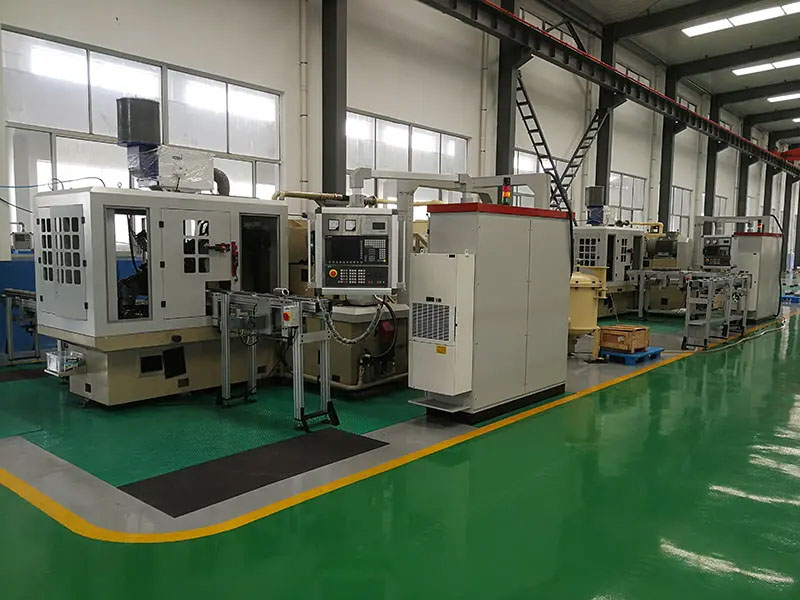
Composite materials such as carbon fiber-reinforced plastics have low interlaminar bond strength and are prone to delamination during grinding, necessitating the use of specialized slotted grinding wheels and low grinding pressure. They are commonly used for end face processing of aerospace components. Semiconductor materials such as silicon wafers and germanium wafers require mirror grinding in an ultra-clean environment using resin-bonded diamond grinding wheels to meet the high-precision requirements of chip packaging. By selecting appropriate grinding wheels, grinding processes, and equipment parameters, double-end face grinding machines can efficiently and precisely process materials with different properties, meeting the diverse requirements of various industries for part processing.