


The daily maintenance of a double disc grinding machine directly impacts its machining accuracy and service life. Proper maintenance can reduce downtime caused by malfunctions and ensure production stability. The first priority in daily maintenance is the care of the grinding wheels. After prolonged use, the surface of the grinding wheels may become worn or clogged, affecting grinding performance. After each use, a specialized grinding wheel dressing tool should be used to remove the worn layer and residual grinding debris from the surface, maintaining the sharpness and surface flatness of the grinding wheels. Additionally, the grinding wheel's wear condition should be inspected regularly. When the outer diameter wear exceeds the specified range, the grinding wheel should be replaced promptly to prevent cracking due to excessive thinning. When replacing the grinding wheel, ensure that the new grinding wheel's specifications match the original one and perform a static balance test to prevent grinding vibrations caused by imbalance.
Maintenance of the machine tool guideways is also critical. Guideways are key components ensuring the machining accuracy of the grinding machine and require regular cleaning and lubrication. After daily operations, use a clean soft cloth or brush to remove iron filings, coolant residues, and other contaminants from the guideway surface to prevent these particles from entering the gap between the guideway and slide block, thereby accelerating wear. For lubrication, apply an appropriate amount of lubricating oil or grease to the guideways at regular intervals according to the equipment manual to ensure smooth operation. For guideways using a hydraulic system, monitor the hydraulic oil level and cleanliness, and promptly replenish or replace the hydraulic oil to prevent system failures from affecting guideway movement precision.
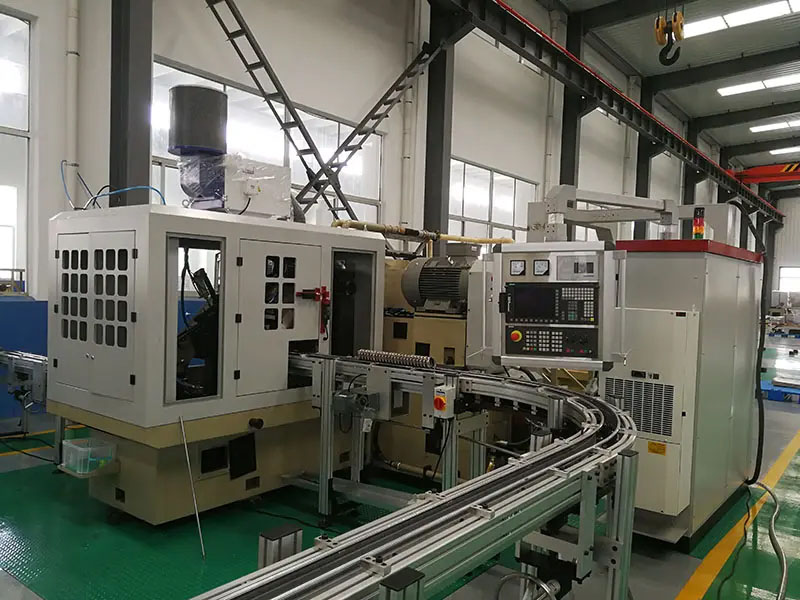
Maintenance of the electrical system is equally important. Electrical components of the grinding machine may develop issues such as poor contact or aging of wiring after prolonged operation. During routine inspections, check whether the terminal blocks inside the electrical cabinet are securely fastened, with no signs of loosening or burn marks; inspect whether the connection wires of components such as motors and sensors are damaged. Additionally, regularly clean dust from inside the electrical cabinet to prevent dust accumulation from causing electrical component short circuits or poor heat dissipation. Furthermore, ensure that the equipment is properly grounded to guarantee the safety of operators.
The management of grinding fluid also impacts the normal operation and processing quality of the grinding machine. Grinding fluid not only serves to cool and lubricate but also removes metal chips generated during the grinding process. Check the coolant level daily and replenish as needed; regularly test the coolant's concentration and pH level. Low concentration reduces cooling and lubrication effectiveness, while high acidity can corrode the machine tool and workpiece. Depending on usage, replace the coolant regularly and thoroughly clean the tank and pipes to prevent debris from blocking the pipes or affecting coolant performance.
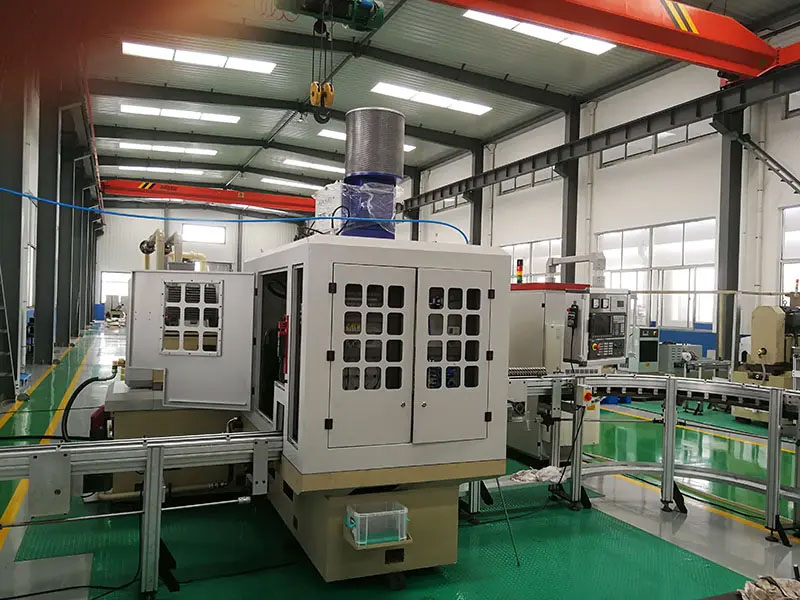
Additionally, regularly inspect the mechanical transmission components of the grinding machine, such as belts, chains, and gears, to check for wear or loosening. For belt drives, adjust the belt tension appropriately; if too loose, it may cause slippage, and if too tight, it may accelerate belt wear. For chains and gears, regularly apply lubricating grease to reduce friction and wear. Furthermore, conduct regular precision inspections of the grinding machine, such as measuring the flatness of the worktable and the parallelism of the two grinding wheels. If any deviations from specified tolerances are detected, promptly adjust or repair the machine to ensure it remains in optimal working condition.