


When selecting a double disc grinding machine, it is essential to conduct a systematic evaluation based on processing requirements, equipment performance, cost-effectiveness, and service support to ensure the machine is suitable for the production environment. The first step is to clearly define the processing objects and process requirements, as different workpieces (such as bearing rings, piston rings, and ceramic seals) have significant differences in their demands for precision and efficiency.
Core performance parameters directly determine machining capabilities. The rigidity and precision of the spindle system are critical. High-rigidity electric spindles (radial runout ≤ 0.001 mm) combined with temperature control technology reduce thermal deformation effects; guideway types must also match operating conditions, with hydrostatic guideways suitable for heavy-duty grinding and cross-roller guideways advantageous for precision machining. The response speed and positioning accuracy of the feed system are equally important. Linear motor drives offer faster rapid traverse speeds (≥30 m/min) and higher repeatability (±0.0005 mm) compared to ball screws, significantly enhancing processing efficiency and consistency. Additionally, the grinding wheel drive power and speed range must be matched to the material being processed. When grinding hardened steel, CBN grinding wheels must be used with high-power spindles (≥15 kW), while aluminum alloy processing requires low speeds and high torque output.
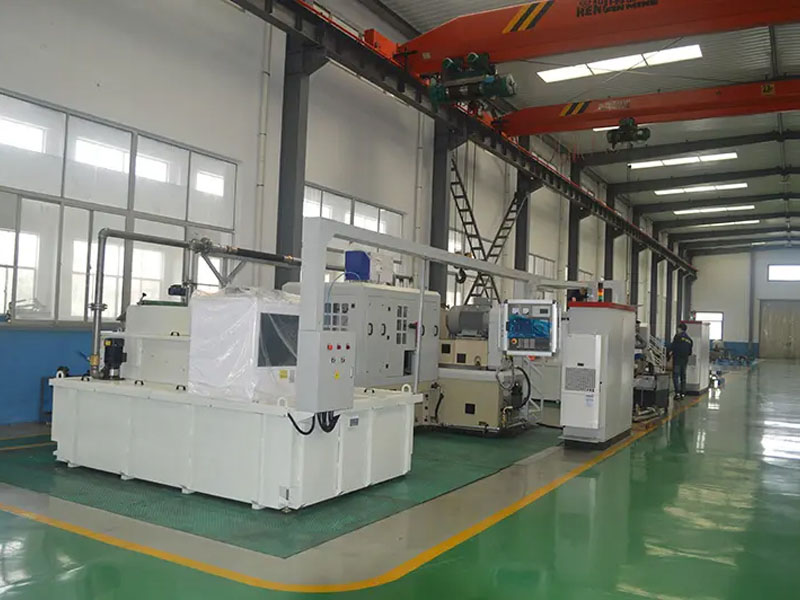
Automation and intelligent configuration directly impact production efficiency and labor costs. Basic automation functions such as automatic loading/unloading, automatic tool setting, and automatic grinding wheel dressing reduce manual intervention and improve equipment utilization. Intelligent control systems (e.g., adaptive grinding force regulation, temperature compensation algorithms) monitor processing status in real-time, dynamically optimize parameters, and prevent scrap caused by workpiece deformation or grinding wheel wear. For mass production scenarios, selecting gantry robots or robotic loading/unloading systems can enable 24/7 continuous processing; precision machining requires integration of online measurement devices (such as laser thickness gauges) to ensure dimensional accuracy through closed-loop control.
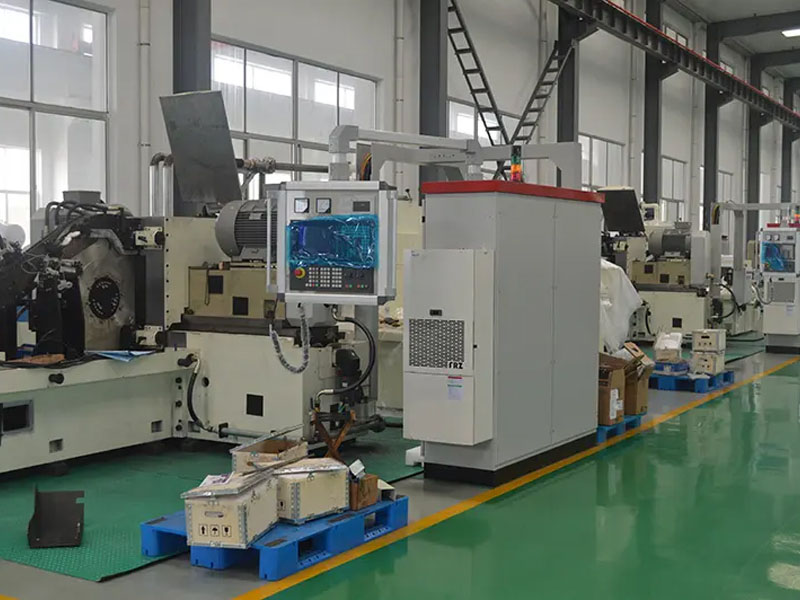
Cost budgeting must consider equipment procurement, usage, and maintenance expenses. While high-end imported equipment offers superior precision and stability, its price is typically 2–3 times that of domestic equipment, making it suitable for high-value-added fields like aerospace. Domestic equipment offers high cost-effectiveness, and if production standards comply with GB/T 4683-2016, it can meet most industrial needs. In terms of operational costs, high-pressure cooling systems and high-power spindles increase energy consumption. While ceramic-bonded grinding wheels are more expensive per unit than resin-bonded grinding wheels, they have a longer lifespan and lower replacement frequency, resulting in lower costs over the long term. Maintenance services should prioritize supplier response times and spare parts availability. Localized service networks can reduce downtime and minimize production losses.