


In today’s competitive manufacturing environment, cost control has become a key factor for enterprise survival and growth. Double disc grinding machines play an increasingly important strategic role in enterprise cost control systems.
Traditional processing methods often result in high unit costs due to low efficiency, multiple processes, and high rework rates. Double disc grinding significantly shortens processing cycles and increases output per unit time, reducing unit production costs at the source.
Stable machining accuracy forms the foundation of cost control. These machines reduce rework and scrap rates, improve yield, and minimize material and labor waste. This quality-driven cost reduction is more sustainable than simple procurement cost cutting.
In terms of labor costs, high-efficiency processing and automation integration reduce manual intervention and dependence on highly skilled operators, optimizing labor structure and lowering long-term labor pressure.
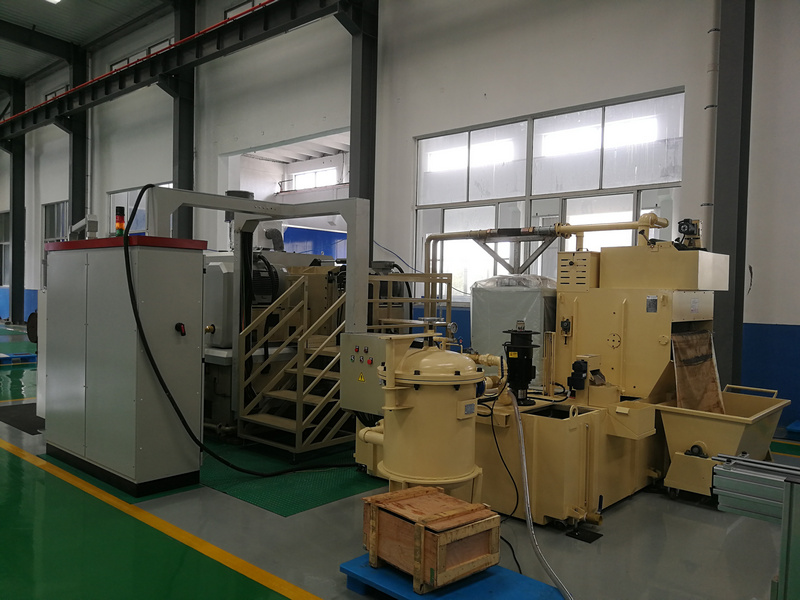
From an operational perspective, stable structures and mature process systems result in lower failure rates, controllable maintenance costs, reduced unplanned downtime, and higher equipment utilization.
From a business management viewpoint, these machines not only reduce direct production costs but also enhance delivery stability and product consistency, strengthening customer trust and order stability, thus reducing operational and transaction risks.
In large-scale development strategies, double disc grinding machines provide foundational support for building low-cost, high-efficiency production systems, enabling enterprises to compete in both price and quality.
For manufacturers, these machines are not just processing tools but strategic assets for optimizing cost structures and building long-term competitiveness.