


Process stability has become a core competitiveness factor in modern manufacturing systems. Product quality depends not only on design standards but also on the stability of production process control. Double disc grinding machines play a key role in maintaining process stability in precision manufacturing.
Traditional machining methods require multiple setups and processes, introducing cumulative errors and increasing process fluctuations. Each clamping operation adds positioning deviations, making long-term consistency difficult to maintain. Double disc grinding completes both end faces in one setup, structurally reducing error sources and improving process stability.
In production environments, these machines maintain stable control of parallelism, tolerances, and surface finish, making process parameters easier to standardize. This stability is especially critical in mass production, where small fluctuations can significantly affect overall product consistency.
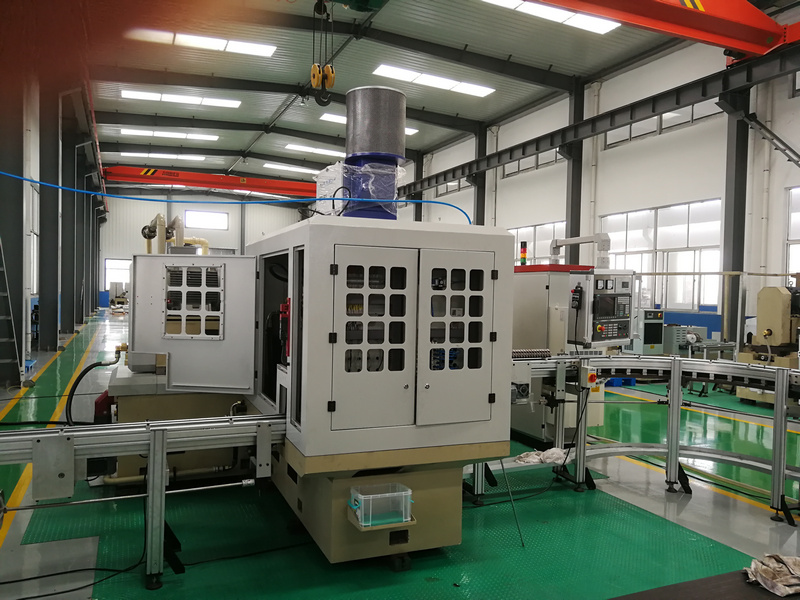
From an equipment perspective, high-rigidity structures, stable transmission systems, and high-performance spindle systems ensure consistent machining accuracy during long-term continuous operation. This mechanical stability forms the foundation of process stability control.
From a production management standpoint, double disc grinding machines support standardized processing flows. Unified parameters and stable production rhythms help enterprises build standardized manufacturing systems and reduce human-induced variations.
With intelligent manufacturing development, integration with intelligent control systems and online inspection systems shifts process stability from “experience-based control” to “data-driven control,” enabling real-time monitoring and dynamic adjustment.
For enterprises, these machines not only improve precision but support the construction of stable process systems, which are fundamental for long-term delivery capability and brand reliability.