


In modern industrial systems, mass production capability directly determines enterprise competitiveness. Double disc grinding machines, with their high efficiency, consistency, and stability, have become key equipment for large-scale precision manufacturing.
Traditional processes require multiple clamping and step-by-step machining, resulting in low efficiency and inconsistent accuracy. Double disc grinding enables synchronous processing of both end faces in a single setup, significantly shortening production cycles and increasing output.
In large-scale production environments, these machines reduce unit processing costs by improving yield rates and reducing rework and scrap rates. This efficiency advantage is especially evident in bearing manufacturing, automotive parts production, motor manufacturing, and hardware processing industries.
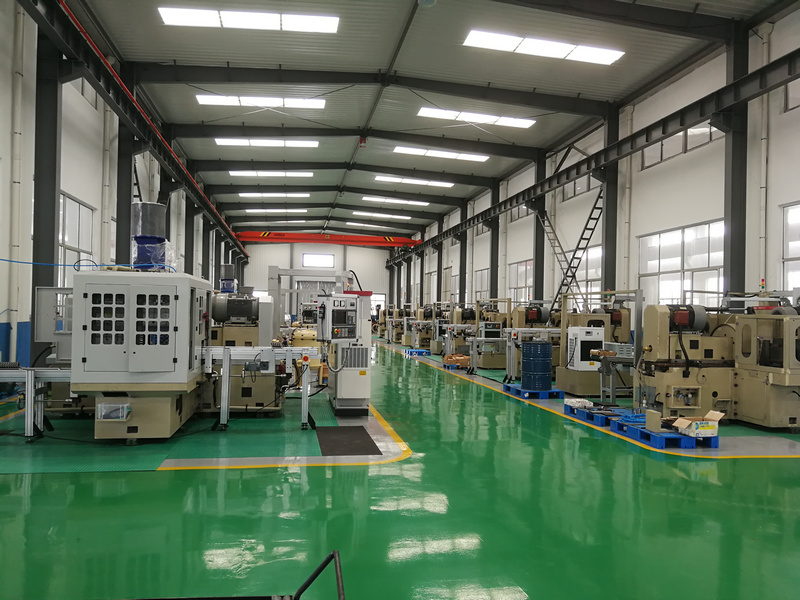
Equipment stability is another major strength. High-rigidity structures and precision transmission systems ensure stable performance even under high-load, long-term operation, supporting continuous production.
From a production layout perspective, double disc grinding machines are ideal for integration into automated production lines, working together with robotic systems, conveyors, and inspection systems to achieve continuous processing models.
For manufacturers, these machines not only improve efficiency but also enhance production management, delivery capability, and order fulfillment capacity, strengthening overall market competitiveness.