


As manufacturing continues to upgrade toward higher precision and efficiency, traditional processing equipment can no longer meet modern industrial requirements. The double disc grinding machine has become an essential high-end precision processing equipment, playing a critical role in improving manufacturing capability.
Its main advantage lies in the ability to grind both end faces of a workpiece simultaneously, significantly improving efficiency while ensuring dimensional consistency, parallelism accuracy, and surface finish quality. Compared with traditional single-side grinding processes, this synchronous method reduces clamping operations, minimizes human error, and improves batch consistency.
Double disc grinding machines are widely used in bearing rings, gear end faces, automotive components, motor end covers, hydraulic parts, metal washers, and flange processing. These components require strict accuracy and surface quality standards, making double disc grinding an ideal solution.
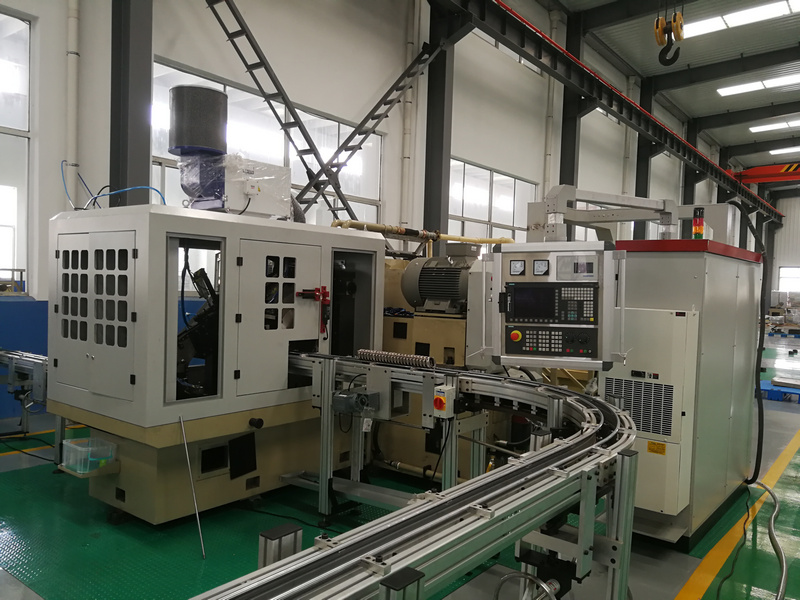
Modern machines feature high-rigidity machine beds, precision guideway systems, and stable transmission structures. Combined with high-performance spindle systems and premium grinding wheels, they ensure stable operation, long service life, and consistent machining performance.
From a production management perspective, these machines are not only processing tools but strategic assets for improving overall production efficiency, reducing defect rates, and enhancing cost control. They help enterprises build scalable, stable, and competitive manufacturing systems.
With the development of automation and intelligent manufacturing, double disc grinding machines are increasingly integrated with automatic loading systems, intelligent control systems, and online inspection systems, enabling continuous and unmanned production models.
As demand for high-precision and high-efficiency manufacturing continues to grow, double disc grinding machines will play an increasingly important role across multiple industries.