


Precision flat surface machining is a critical step in the production of many mechanical components. The quality of end faces directly affects assembly accuracy, load distribution, sealing performance, and long-term operational stability. Among various flat machining solutions, double disc grinding machines stand out due to their unique processing approach and proven effectiveness in precision manufacturing.
The core advantage of double disc grinding lies in the simultaneous machining of two opposing surfaces. This process inherently controls the relationship between both faces, making it easier to achieve tight parallelism and consistent thickness. For symmetrical components, this machining logic is more efficient and more aligned with high-precision manufacturing requirements than single-side grinding.
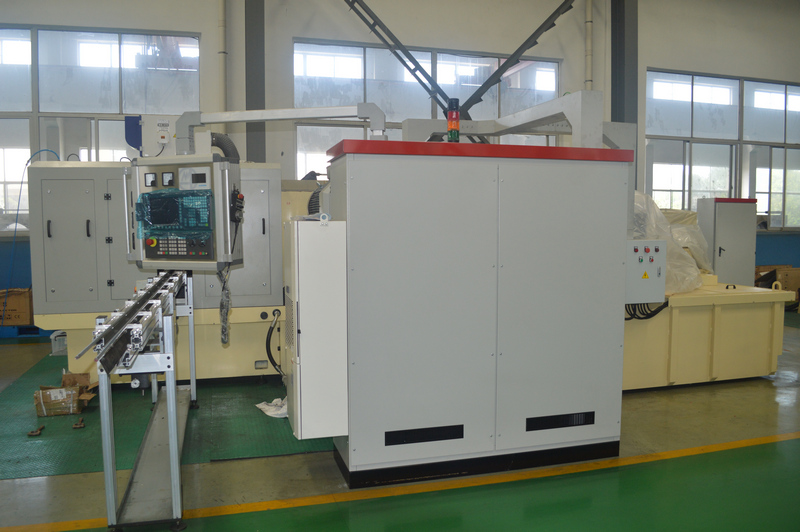
In real production environments, double disc grinding machines also reduce reliance on operator skill. Thanks to rigid machine structures and precise control systems, machining accuracy is maintained by the equipment itself rather than by manual adjustment. This characteristic is particularly valuable in factories seeking stable long-term production or operating with frequent workforce changes.
As material applications continue to diversify, the versatility of double disc grinding machines has expanded accordingly. From conventional steel parts to hard alloys, ceramics, and even certain composite materials, double disc grinding can be adapted through proper wheel selection and optimized process parameters.
For these reasons, double disc grinding machines have maintained their essential role in precision flat surface machining, with their process value consistently validated through industrial practice.