


In modern manufacturing, part consistency has become a key indicator of machining capability. Whether in bearing production, automotive components, or hydraulic and precision mechanical parts, maintaining stable dimensions and surface quality during mass production directly affects assembly accuracy and overall system performance. Against this backdrop, double disc grinding machines have become an essential solution for precision flat surface grinding.
Traditional machining processes typically require each side of a workpiece to be ground separately. This approach increases the number of operations and introduces repeated clamping errors. Even minor positioning deviations can accumulate and negatively impact thickness consistency and parallelism. A double disc grinding machine addresses this issue by grinding both faces simultaneously in a single setup, significantly reducing the potential for cumulative error.
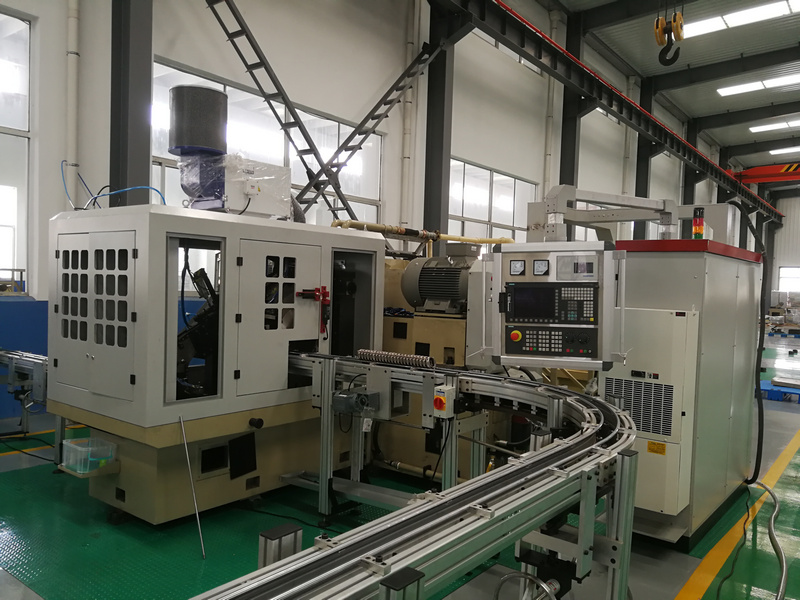
In high-volume production environments, the advantages of double disc grinding become even more evident. When combined with automatic feeding systems, these machines can operate continuously for extended periods, delivering high output while maintaining consistent precision. For manufacturers focused on scalable production, this efficiency translates not only into higher throughput but also into reduced labor costs and improved quality control.
Equally important, the consistency achieved through double disc grinding provides a strong foundation for downstream processes. Parts with stable dimensions are easier to assemble automatically, reducing adjustment time and minimizing the risk of rework. This process-oriented approach to quality control is increasingly recognized as a best practice in precision manufacturing.
As industries continue to move toward higher standards of accuracy and reliability, double disc grinding machines are no longer viewed simply as productivity tools, but as critical assets in building stable and repeatable manufacturing systems.