


Automation has become an essential part of modern manufacturing, and double disc grinding machines are no exception. As industries aim to achieve higher productivity, tighter tolerances, and lower labor dependence, automated grinding systems have emerged as a key factor in improving both performance and efficiency.
Modern double disc grinding machines are increasingly designed with automation-ready features. These include robotic loading and unloading systems, servo-controlled feeding mechanisms, intelligent wheel dressing units, and sensor-based monitoring technology. Each of these advancements contributes to a more consistent, reliable, and efficient grinding operation.
Robotic loading systems are particularly valuable in high-volume production environments. They reduce manual handling, minimize the risk of operator error, and ensure that parts are placed in the correct orientation every time. This not only boosts productivity but also enhances the repeatability of the grinding process.
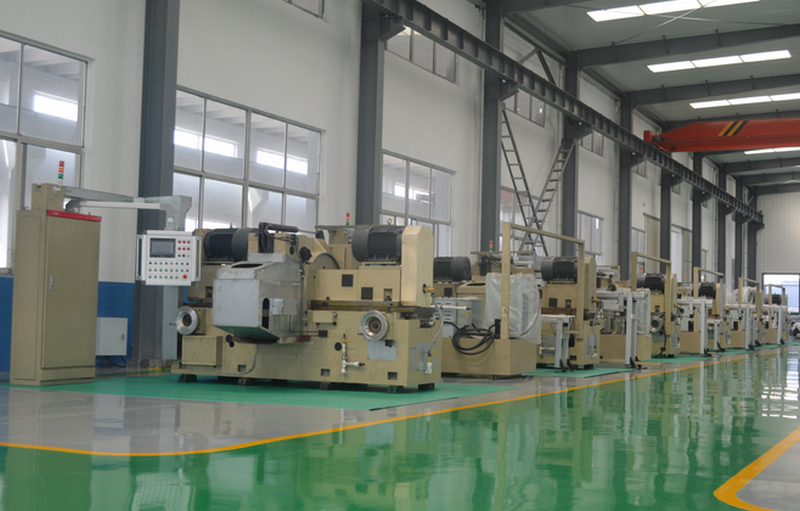
Automated wheel dressing is another important feature. Regular dressing maintains wheel sharpness and geometry, which is essential for achieving consistent surface finish and dimensional accuracy. With automatic systems, manufacturers can preset dressing intervals based on time, wheel load, or grinding cycles, ensuring optimal performance without operator intervention.
Real-time monitoring technologies are becoming increasingly common. Advanced sensors track wheel wear, vibration levels, power consumption, and temperature. When abnormalities are detected, the system can automatically adjust parameters or alert operators to prevent potential defects or machine damage.
Automation also improves quality control. Some systems integrate inline measurement tools that inspect thickness, flatness, or surface roughness immediately after grinding. This allows for immediate feedback and reduces the likelihood of producing out-of-spec parts.
Ultimately, the integration of automation into double disc grinding machines offers multiple advantages: reduced labor dependency, improved safety, enhanced consistency, and higher production efficiency. As manufacturers continue to adopt smart factory technologies, automated grinding solutions will play an even greater role in supporting future advancements.