


Selecting the right double disc grinding machine is essential for any manufacturer aiming to achieve consistent precision, high productivity, and long-term reliability. With numerous machine configurations available, understanding the key selection factors can help companies maximize performance while controlling operational costs.
The first factor to consider is the machine layout—horizontal or vertical. Horizontal double disc grinders are ideal for small, thin, or flat components such as washers and shims, offering excellent handling and high-speed production. Vertical grinders, on the other hand, provide better support for heavier or more complex parts, making them suitable for automotive, bearing, and mechanical components requiring high rigidity and stability.
Next is wheel type and diameter. The choice of abrasive—such as aluminum oxide, CBN, or diamond—directly affects grinding efficiency and surface quality. Larger wheel diameters can process bigger workpieces or higher volumes, while smaller wheels are preferred for fine-precision applications.
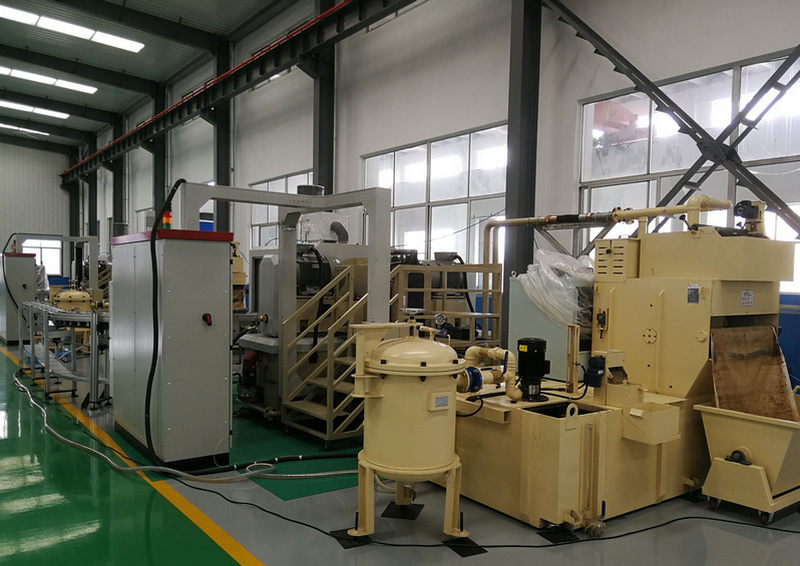
Feeding method is another critical consideration. Continuous feed systems enable high throughput for mass-production environments, while rotary table or reciprocating mechanisms offer improved flexibility for varied part sizes or smaller production batches.
Manufacturers should also pay attention to cooling and filtration systems. High-quality coolant filtration prevents contamination, extends wheel life, and ensures consistent surface finish. Advanced cooling systems help mitigate thermal distortion, which is vital when achieving tight tolerances.
In modern production, automation compatibility is becoming increasingly important. Machines that support robotic loading, real-time process monitoring, and automatic dressing cycles can significantly reduce labor costs and improve operational consistency.
Finally, maintenance accessibility is essential for minimizing downtime. Machines designed with easy wheel access, modular components, and user-friendly control software help operators perform routine checks efficiently and reduce long-term service costs.
Choosing the right double disc grinding machine requires balancing precision, efficiency, durability, and automation needs. With the right configuration, manufacturers can unlock higher productivity, improved product quality, and a competitive advantage in today’s demanding industrial environment.