


In manufacturing, achieving consistency is more challenging than speed. The larger the batch size, the greater the risk of batch deviations caused by human error, equipment wear, or temperature fluctuations. This is precisely why more and more companies are turning to double disc grinding machines.
The core advantage of double disc grinding machines lies in their ability to process both surfaces simultaneously with a single setup. This not only accelerates processing cycles but, more importantly, drastically reduces cumulative errors that arise when workpieces move between different operations. Traditional methods often require flipping and repositioning the workpiece, with each repositioning introducing unavoidable sources of error.
In contrast, double disc grinding machines achieve high consistency in flatness, thickness, and parallelism by grinding both surfaces simultaneously with two grinding wheels. This stability is invaluable in industries with increasingly stringent precision requirements, such as bearings, powder metallurgy, automotive components, and electric motors.
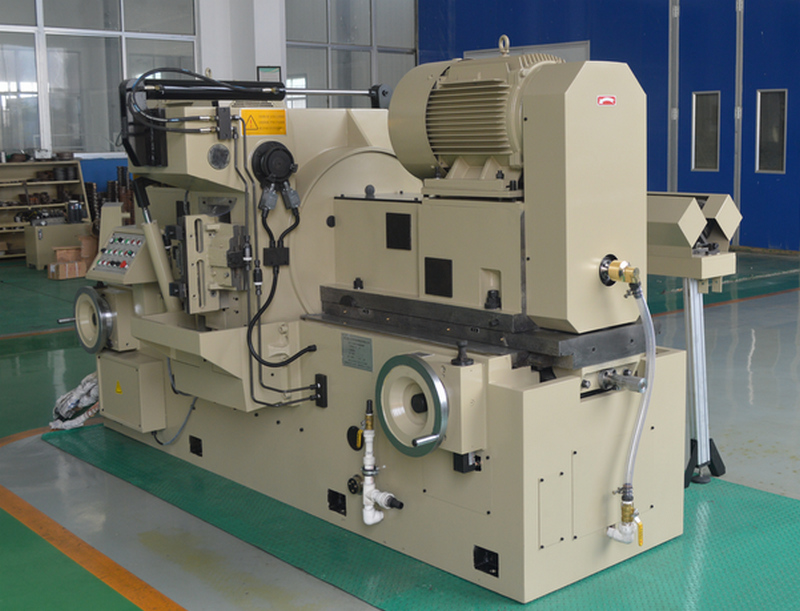
Notably, modern double disc grinding machines have seen significant advancements in automation, feeding mechanisms, and grinding wheel dressing capabilities. Particularly in high-volume production, they maintain consistent machining performance, showing no significant increase in processing deviation even after continuous operation for hours.
This is why many industry experts consider double disc grinding machines a key piece of equipment for manufacturing enterprises seeking to enhance quality consistency in the future. As automation demands intensify, they are poised to become essential equipment across an increasingly broad range of industries.