


Over the past two years, both domestic and international manufacturing sectors have undergone a shared transformation: precision parts face increasingly stringent tolerance requirements while delivery schedules grow ever tighter. Industries like automotive, bearings, hydraulic equipment, motors, and powder metallurgy—characterized by massive part volumes and rising quality demands—are prompting companies to reevaluate their machining approaches. Against this backdrop, “double disc grinding machines” are emerging as core equipment on the procurement lists of numerous factories.
Unlike traditional grinding machines, the defining feature of double disc grinding machines is their ability to simultaneously process both left and right surfaces of a workpiece. Simply put, it functions like “simultaneous double-sided polishing”—not only accelerating production but also inherently ensuring parallelism between both surfaces. This process advantage makes it particularly suited for high-volume parts demanding extreme dimensional consistency, such as piston rings, gear shims, stamped parts, powder metallurgy blocks, valve plates, and bearing inner/outer rings.
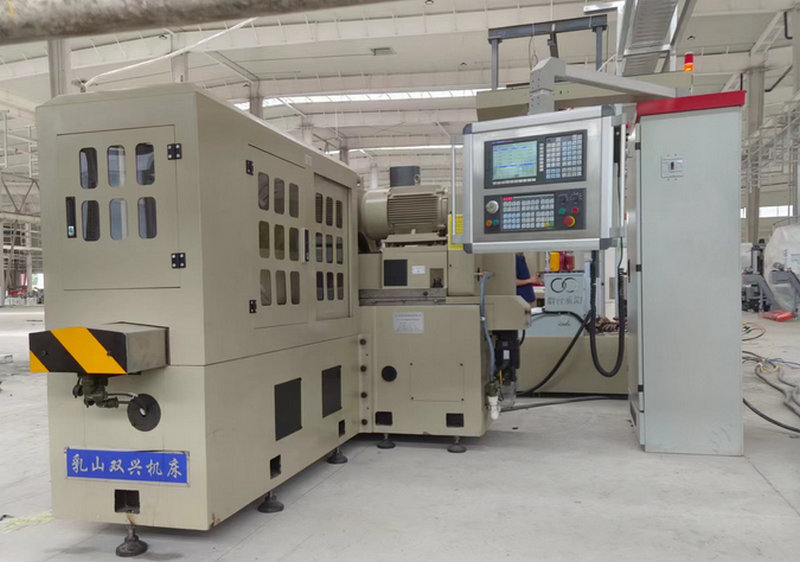
Historically, many manufacturers viewed dual-surface grinding as high-end equipment requiring substantial investment. However, with continuous structural optimization and advancements in automation and feeding systems, today's dual-surface grinders offer enhanced stability, lower maintenance costs, and significantly boost per-unit production efficiency. Particularly in the current climate of rising labor costs, the machine's “one setup, two surfaces completed” advantage becomes exceptionally prominent.
Simultaneously, while maintaining high efficiency, double disc grinding machines can control dimensional accuracy, flatness, and parallelism within highly stable ranges. This means enterprises can not only increase production capacity but also more easily ensure consistency between batches, reducing rework and scrap rates.
Industry experts also note that as sectors like new energy vehicles, electric motors, and hydraulic equipment expand, geometric tolerances for most components have become stricter than ever. Traditional single-surface grinding increasingly struggles to meet these demands. Consequently, since 2023, major OEMs across Europe, America, Japan, and China have accelerated the upgrade of their grinding equipment, with double-sided grinding machines emerging as one of the fastest-growing categories.
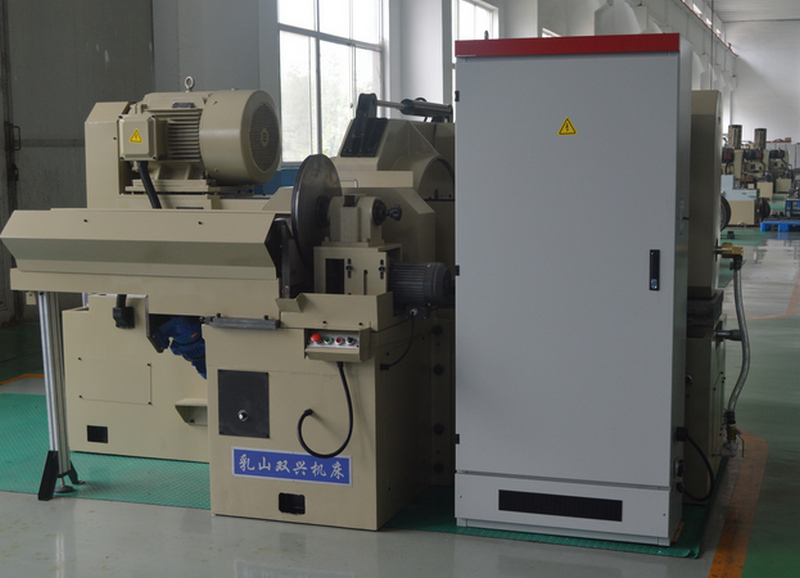
It can be said that double disc grinding machines are no longer merely grinding tools, but rather “infrastructure” for enhancing production efficiency, ensuring quality stability, and achieving batch consistency. In the coming years, their replacement of outdated processes across more component machining fields represents an undeniable trend. For manufacturing enterprises, this marks a wave of technological upgrades worthy of close attention.