


The performance of high-precision double disc grinding machines directly determines the machining quality and production stability of precision workpieces. Optimization must be grounded in the principles of “precision traceability, process coordination, and condition monitoring.” Through multi-faceted fine-tuning adjustments, the equipment's potential is maximized to meet the stringent demands of high-end manufacturing.
Core precision calibration forms the foundation of optimization. Regularly inspect the machine tool spindle for radial runout and end face runout. Employ a laser interferometer to calibrate the parallelism and perpendicularity of both grinding surfaces, ensuring errors remain within 0.001mm. Inspect the guideway lubrication system and select high-purity specialized lubricants to reduce friction wear in moving pairs, preventing positioning accuracy degradation caused by guideway creep. Simultaneously, optimize grinding wheel selection. Based on workpiece material and precision requirements, choose diamond or CBN super-hard wheels paired with precise dressing techniques. This ensures uniform micro-topography on the wheel surface, enhancing cutting stability and precision retention.
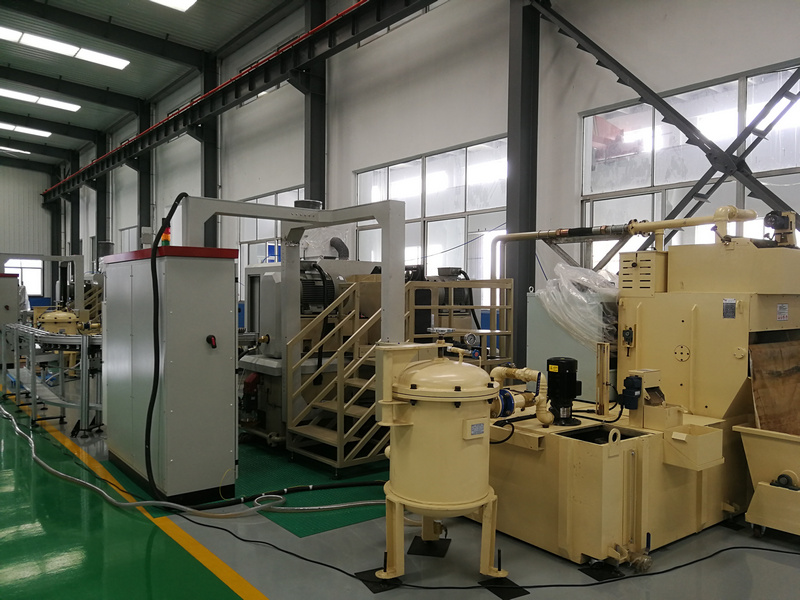
Intelligent adaptation of process parameters is critical. Leveraging the parameter storage function of the machine tool's CNC system, establish a process database for different workpieces to precisely match parameters such as grinding wheel speed, feed rate, and grinding depth. For precision machining, adopt a grinding mode with low speed, small feed, and multiple cycles to reduce thermal deformation. For batch production, optimize segmented grinding strategies, rationally allocate roughing and finishing allowances, and shorten processing cycles while ensuring consistency in accuracy. Additionally, upgrading the grinding fluid system with a recirculating filter unit (≤5μm filtration precision) paired with integrated cooling-lubricating grinding fluid effectively controls grinding temperatures and reduces workpiece surface roughness.
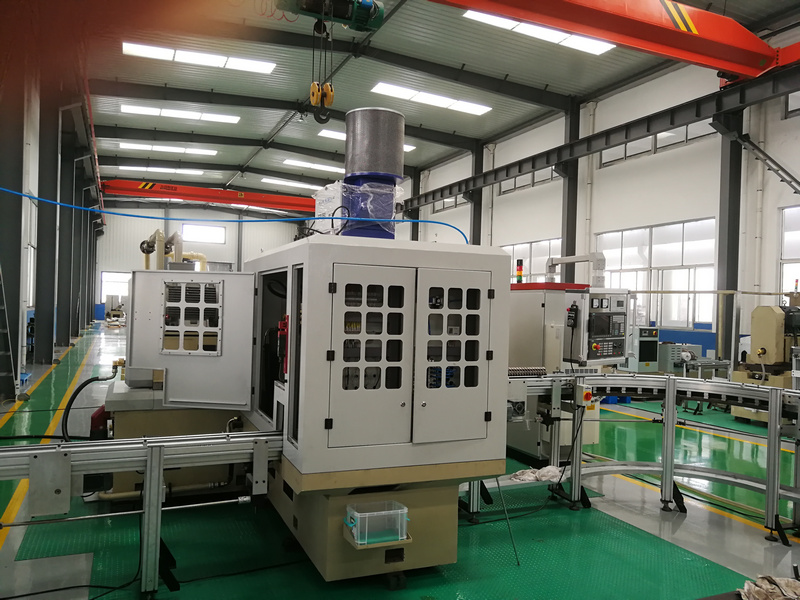
Environmental and condition control ensure performance reliability. Grinding machines are housed in temperature-controlled workshops (temperature fluctuation ≤±2℃) to prevent structural deformation from thermal variations. Vibration-damping foundations and isolation devices minimize external vibration impacts on machining accuracy. A regular maintenance protocol includes periodic cleaning of grinding wheel guards and work surfaces to remove swarf and oil residue, alongside inspections of critical components like spindle bearings and servo motors. An online monitoring system captures real-time data on grinding force, vibration, and temperature, enabling timely alerts for anomalies and preventing accuracy drift.
Through three-dimensional optimization encompassing core precision calibration, intelligent process adaptation, and environmental condition control, this approach significantly enhances the machining accuracy and stability of high-precision double disc grinding machines while extending equipment lifespan. It provides reliable process support for high-end manufacturing.