


As a core process in batch production that balances precision and efficiency, achieving high-efficiency double-end grinding requires the coordinated adaptation of equipment, process, and workpiece. Only through scientific management of critical stages can production efficiency be maximized while ensuring processing quality and reducing unit costs.
Precise optimization of process parameters is central to efficient grinding. Grinding wheel speed must be set appropriately based on wheel material and workpiece hardness, typically selecting medium-to-high speeds (3000-6000 rpm) to ensure cutting efficiency while preventing wheel overload. Feed rate must be dynamically adjusted based on workpiece stock removal. During rough grinding, higher feed rates (0.1-0.3 mm/min) can rapidly remove stock, while switching to lower feed rates (0.01-0.05 mm/min) during finish grinding ensures precision. Simultaneously, the selection and application of grinding fluid are critical. Utilize specialized grinding fluid with excellent cooling and lubricating properties, delivered directly to the grinding zone via high-pressure spraying. This approach reduces temperature, minimizes wheel wear, flushes away swarf, prevents secondary scratches on the workpiece surface, and enhances grinding continuity.
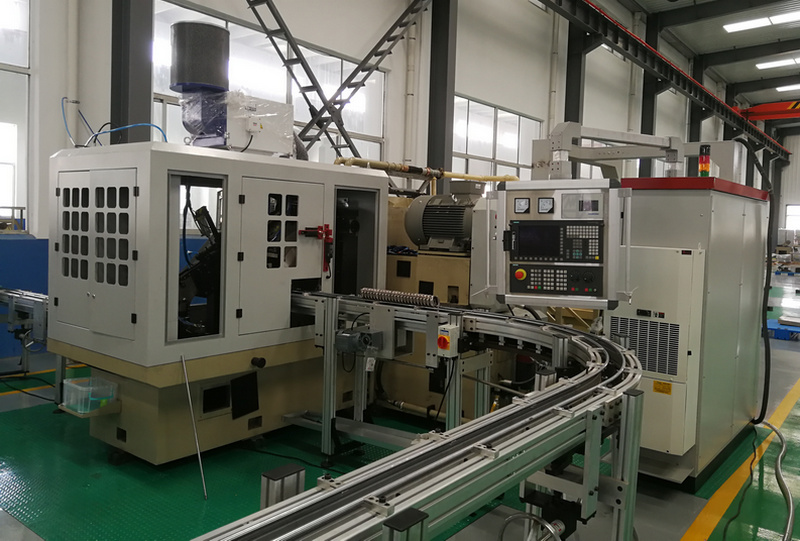
Stable equipment operation underpins efficient grinding. Regularly inspect grinding wheel wear, promptly dressing or replacing wheels to maintain sharp surfaces and flatness within specifications. This prevents increased grinding force and reduced efficiency caused by wheel dullness. Calibrate the machine tool spindle accuracy to ensure dual-face parallelism and perpendicularity remain within tolerance limits, minimizing vibration and deviation during operation. Additionally, optimize grinding paths by adopting a segmented “rough grinding - semi-finish grinding - finish grinding” approach. Allocate allowances reasonably across stages to avoid redundant operations and shorten individual part processing cycles.
Workpiece clamping and material compatibility also impact grinding efficiency. Select appropriate clamping methods based on workpiece geometry. For batch processing, prioritize fixture positioning to ensure rapid, precise clamping and minimize auxiliary time. For brittle materials (e.g., ceramics, cemented carbide), reduce grinding force to prevent chipping by using diamond grinding wheels to enhance cutting performance. For ductile materials (e.g., steel, aluminum alloys), moderately increase feed rates with corundum grinding wheels to improve cutting fluidity. Simultaneously, pre-clean workpiece surfaces of oil and contaminants to prevent compromising grinding accuracy and wheel life, thereby reducing rework rates.
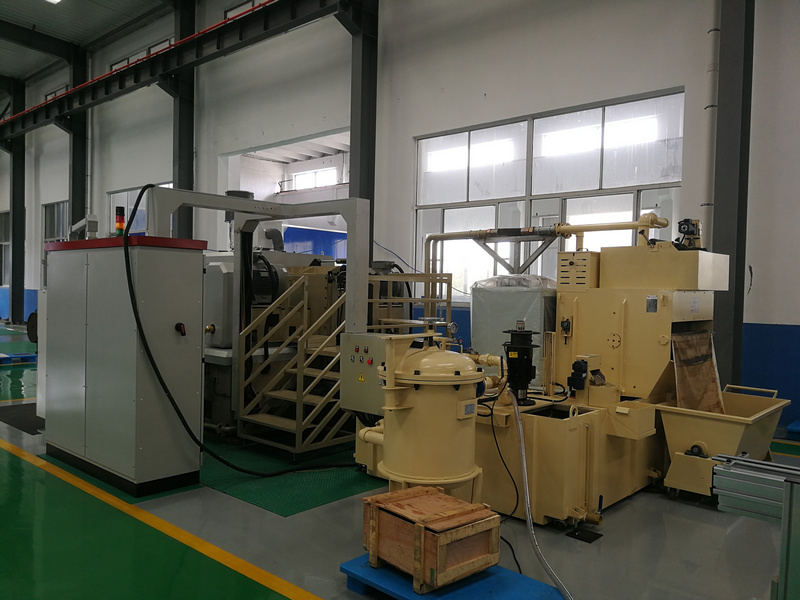
Efficient grinding also requires rigorous process control. Continuously monitor temperature, vibration, and workpiece dimensions during grinding. Utilize online inspection systems to promptly adjust parameters, preventing batch nonconformities. Optimize production batches by grouping similar workpieces for simultaneous processing, minimizing equipment setup and parameter switching time. Through this multidimensional, coordinated optimization, double disc grinding machine fully leverages its process advantages while achieving dual improvements in efficiency and quality, meeting the demands of high-efficiency batch production.