


In modern manufacturing, precision and efficiency are the key factors determining product quality and market competitiveness. Especially in high-value-added fields such as aerospace, automotive manufacturing, and precision instruments, the processing precision of components often directly affects the performance and lifespan of the final product. As a high-precision processing machine, the double disc grinding machine has become an indispensable core piece of equipment in high-end manufacturing due to its unique process advantages.
The working principle of double disc grinding machines determines their irreplaceable role in precision processing. Unlike traditional single-sided grinding machines, double disc grinding machines can simultaneously grind both ends of a workpiece, ensuring that the parallelism and dimensional accuracy of both ends meet extremely high standards. This synchronous processing method not only significantly improves production efficiency but also avoids cumulative errors caused by multiple clamping operations, making it particularly suitable for mass production of components with high precision requirements. For example, in bearing manufacturing, the parallelism and surface roughness of the raceway directly affect the rotational performance and service life of the bearing. A double-end grinding machine can stably control processing accuracy to the micron level, meeting stringent industrial standards.
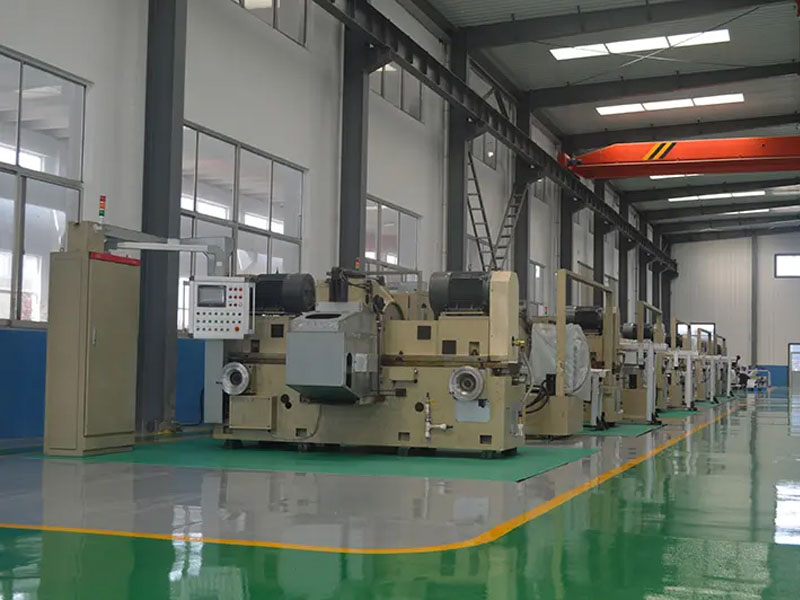
As the precision requirements for components in the high-end manufacturing industry continue to rise, the technology of double-end grinding machines is also undergoing continuous upgrades. Modern double disc grinding machines typically feature high-rigidity structures, advanced CNC systems, and online measurement capabilities, enabling automated processing and real-time quality monitoring.
Additionally, while improving production efficiency, double disc grinding machines can help businesses reduce overall costs. Although the initial investment is high, their high processing precision and stability reduce scrap rates and shorten subsequent finishing processes, thereby lowering overall production costs.
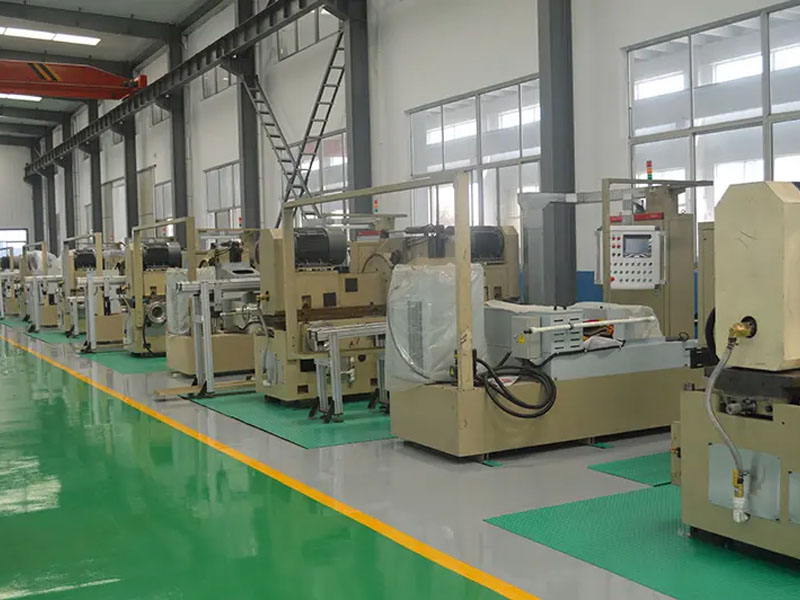
From an industry development perspective, the application scope of this grinding machines is expanding. With the widespread adoption of new materials (such as ceramics and composite materials) and the strengthening trend toward smaller parts, traditional processing methods face challenges. However, double disc grinding machines can adapt to more complex material properties by optimizing grinding wheel materials and processing parameters.
In summary, the double disc grinding machine, with its high precision, efficiency, and stability, has become an indispensable processing equipment in the high-end manufacturing industry. Whether it is improving product quality, reducing production costs, or meeting the special requirements of emerging industries, the double-sided grinding machine demonstrates strong technological vitality. In the era of manufacturing moving toward high precision and sophistication, its value will only become more prominent.