


Before operating a double disc grinding machine, prepare the equipment first. Inspect all components of the equipment to ensure they are in good condition, such as checking for cracks in the grinding wheels, loose fastening screws, and ensuring sufficient lubricating oil is applied to lubrication points. Then, select the appropriate grinding wheel based on the workpiece material and processing requirements. Generally, alumina grinding wheels are used for cast iron parts, and silicon carbide grinding wheels are used for hard alloy parts. Ensure the grinding wheel is securely installed to prevent it from detaching during operation. Next, clean the worktable and feeding mechanism to ensure no debris obstructs workpiece conveyance. Adjust the coolant spray nozzle position to ensure adequate cooling during grinding.
When clamping the workpiece, select the appropriate fixture based on the workpiece shape. For small cylindrical workpieces, a through-feed mechanism can be used to arrange the workpieces neatly in the feed slot. Adjust the width of the feed slot to match the workpiece diameter to prevent the workpiece from tilting. For flat workpieces, use a tray-type fixture, placing the workpiece gently on the tray to ensure that both ends of the workpiece are parallel to the grinding wheel surface. The clamping force should be moderate; excessive tightness may damage the workpiece, while insufficient tightness may cause the workpiece to shift during machining.
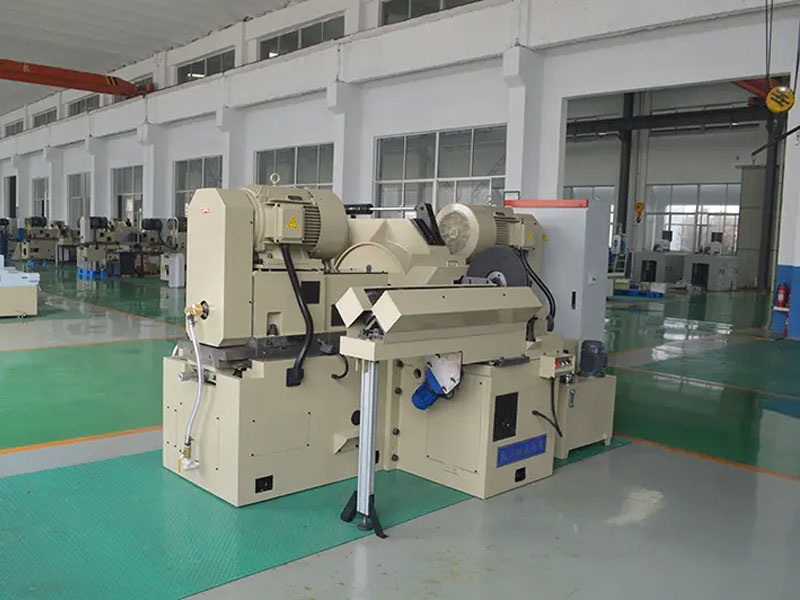
Before starting grinding, first adjust the parameters. Based on the required thickness of the workpiece, rotate the scale dial to set the grinding allowance. During the initial trial grinding, the grinding allowance should not be too large, generally controlled between 0.05 and 0.1 millimeters. Then adjust the grinding wheel speed. For ordinary steel, the grinding speed should be between 1,500 and 2,500 RPM. For hard materials, the speed can be appropriately increased. Next, start the equipment and let it run idle for 3-5 minutes to observe whether the grinding wheel is running smoothly and if there are any abnormal noises. Once confirmed, begin feeding the workpiece.
The trial grinding stage is critical. First, feed 1-2 workpieces for trial processing. After processing, use a caliper to measure the workpiece thickness and parallelism. If the requirements are not met, fine-tune the scale to adjust the grinding amount. If the parallelism deviation between the two end faces is significant, check if the feeding mechanism is tilted and adjust it to a horizontal position. After the trial grinding is qualified, proceed with batch feeding. During the process, monitor the workpiece feeding status at all times. If a jam occurs, immediately shut down the machine for handling to avoid damaging the grinding wheel or workpiece.
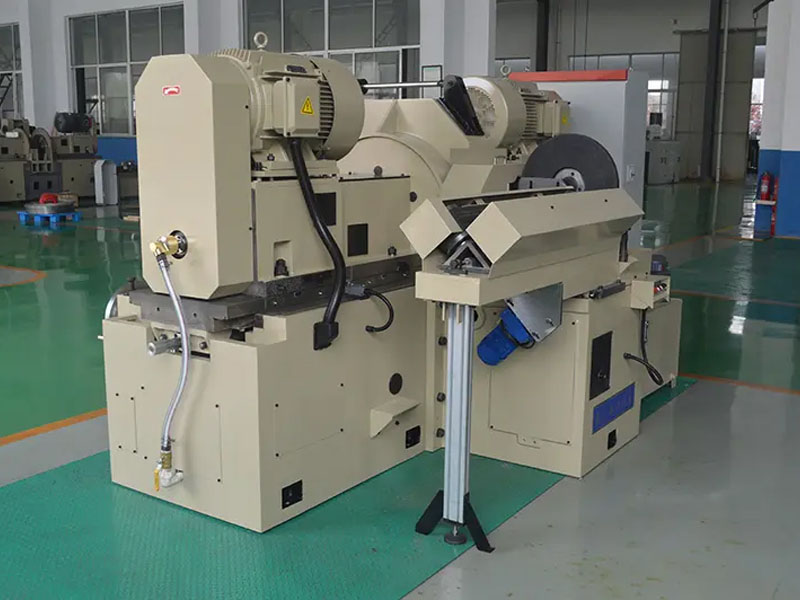
During grinding, ensure that the coolant adequately covers the grinding area to prevent the grinding wheel from overheating or the workpiece from burning. Periodically use a brush to clean debris from the grinding wheel surface to maintain sharpness. If wear is detected on the grinding wheel, stop the machine promptly to replace or dress it to ensure processing accuracy.
After processing is complete, first shut off the feeding mechanism. Once the last workpiece has been fully fed out, turn off the grinding wheel motor and allow the equipment to stop running naturally. Then disconnect the power supply, clean debris from the workbench and feed hopper, and return the grinding wheel and fixtures to their original positions. Finally, inspect the condition of all equipment components and maintain usage records for reference during future operations. Throughout the entire operation, wear safety goggles and gloves to prevent debris from flying and causing injury. It is strictly prohibited to touch the grinding wheel or workpiece with your hands while the equipment is running.