


In modern manufacturing, high-precision parts play a crucial role in product performance and reliability. Whether it is connecting rods in automobile engines that require extremely high fitting precision, rings used for load transfer in high-end bearing systems, or ceramic components in the new energy and electronics industries, these parts have very high requirements for dimensional tolerances, parallelism, perpendicularity, and surface roughness. Among all machining processes, the double disc grinding machine has almost become the standard equipment for processing such parts. So, why are high-precision parts processed using double disc grinding machines?
1. Single clamping, simultaneous grinding of both surfaces, ensuring high consistency in precision
High-precision parts require both surfaces to maintain strict parallelism and thickness tolerances. Conventional single-surface processing methods often require two clamping operations, which not only consume time but also risk dimensional deviations due to clamping errors.
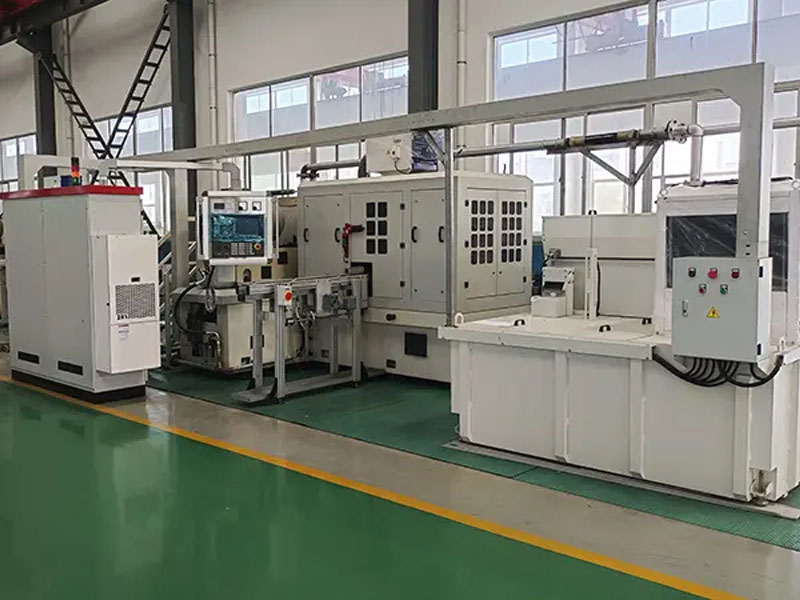
Double disc grinding machines use a single setup with simultaneous grinding of both surfaces, effectively avoiding dimensional deviations caused by setup errors. This ensures that the tolerances of both surfaces are within the micrometer range, enhancing product consistency andqualification rate.
2. Automated processing for improved efficiency and yield rate
Modern high-precision parts are typically produced in batches. Using traditional manual methods to adjust processing cycles and tool-changing procedures not only reduces efficiency but also increases the risk of errors. The double disc grinding machine is equipped with an automatic loading/unloading system, grinding compensation system, and measurement system, enabling fully automated unmanned operation throughout the entire process.
Especially when paired with the MARPOSS online measurement system, it achieves inspection and automatic compensation, realizing true “grinding as inspection” to prevent defective parts from entering subsequent processes.
3. Stable Rigid Structure, Suitable for Continuous Heavy-Load Grinding
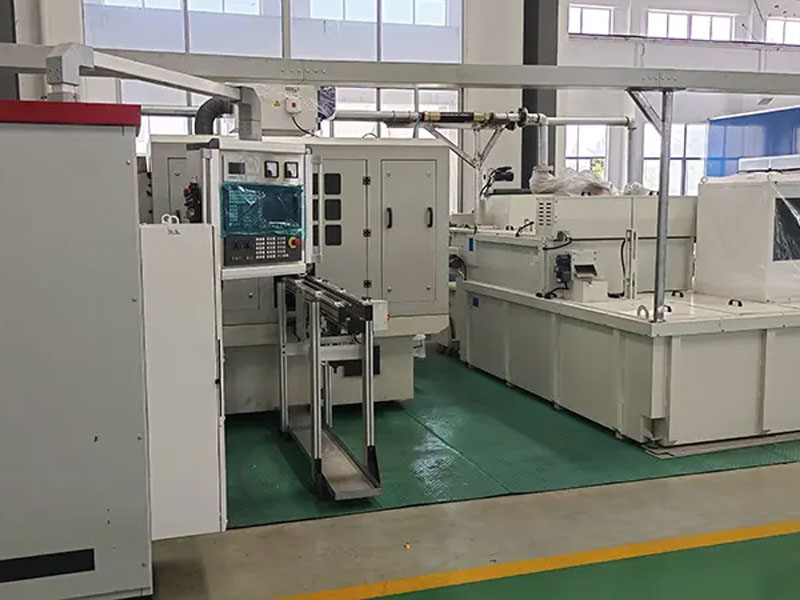
High-precision parts are mostly made of hard metals or brittle materials (such as carbon steel, carbon ceramic, bearing steel, ceramics, etc.), which impose extremely high requirements on the rigidity and stability of the grinding machine. The double disc grinding machine adopts a high-rigidity main structure and a dual-wheel opposing grinding layout, ensuring balanced distribution of processing forces, minimal thermal deformation, and low vibration, thereby maintaining high-precision output even during prolonged batch grinding operations.
Additionally, the machine is equipped with high-precision guideways, a constant pressure system, and an automatic lubrication system to ensure long-term operational stability.
4. High grinding quality and excellent surface roughness
In fields such as aerospace, precision electronics, and new energy, there are extremely high requirements for the surface quality of parts. Double disc grinding machines use high-quality resin-bonded grinding wheels or CBN grinding wheels, combined with a constant pressure control system, to achieve a surface roughness of Ra 0.2μm or even lower, significantly improving the assembly performance and durability of parts.
5. Flexible adaptation to various complex parts
Modern high-end double disc grinding machines are not only suitable for flat parts (such as connecting rods, gears, and gaskets) but can also adapt to high-precision end-face grinding of irregularly shaped parts and composite material workpieces by replacing fixtures, tools, and feeding systems.