


Precision manufacturing is entering an era where micron-level accuracy is no longer optional but essential. Industries such as aerospace, electronics, and precision tooling demand components with extremely tight tolerances and flawless surface finishes. The double disc grinding machine plays a vital role in achieving these requirements.
This article examines how double-sided grinding technology enables manufacturers to meet stringent precision standards.
High-precision components are critical for ensuring product performance, reliability, and safety. Even minor deviations in thickness or flatness can lead to:
Reduced product lifespan
Increased assembly issues
Performance inconsistencies
Manufacturers must therefore invest in technologies capable of delivering repeatable accuracy.
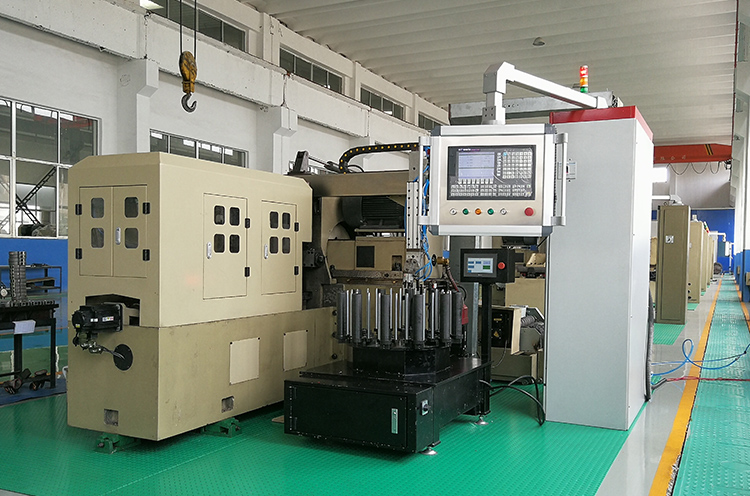
Grinding both sides simultaneously ensures that the two surfaces remain perfectly parallel. This is essential for components such as spacers, washers, and bearing elements.
A high precision double disc grinding machine can achieve tolerances within a few microns.
Mass production often introduces variability between parts. Double disc grinding minimizes this variation, ensuring consistent quality across high-volume runs.
Automation and CNC controls reduce reliance on manual adjustments, improving repeatability and reducing the risk of errors.
Thin metal components used in electronic devices require precise thickness control. A double sided grinding machine for thin metal parts ensures uniformity and high-quality finishes.
Aircraft components demand extreme precision to ensure safety and performance. Double disc grinding is widely used to meet these stringent requirements.
Tools and dies require accurate dimensions and smooth surfaces to function effectively. Double-sided grinding ensures consistent results.
Initial machining to near-net shape
Fine grinding using optimized parameters
Real-time monitoring of thickness and flatness
Post-grinding inspection using precision instruments
Each step is carefully controlled to maintain tight tolerances.
CNC systems enable precise adjustments to grinding parameters, ensuring consistent results across different batches.
Some advanced machines include measurement systems that monitor part dimensions during grinding, allowing real-time corrections.
Machine stability is critical for achieving high precision. Modern designs incorporate vibration-dampening structures to enhance accuracy.
Precision manufacturing demands advanced solutions capable of delivering consistent, high-quality results. The double disc grinding machine provides the accuracy, stability, and efficiency required to meet these challenges.