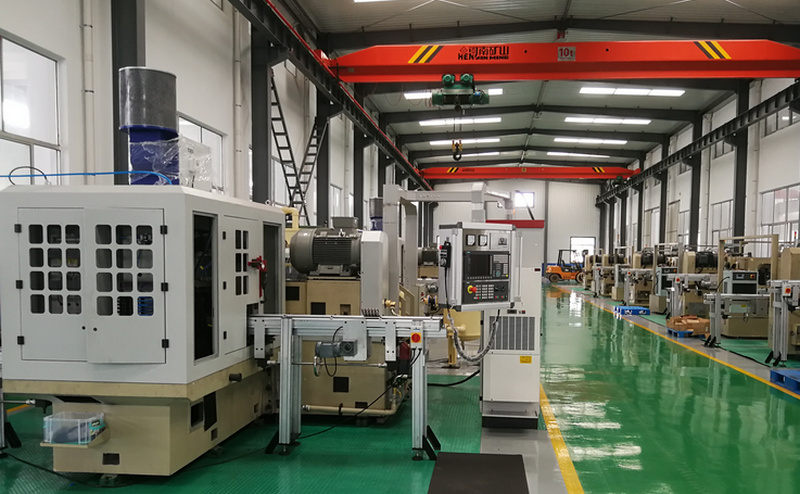


Selecting the right double disc grinding machine is a critical decision in precision component manufacturing. With various configurations and specifications available, proper machine selection directly affects machining quality, productivity, and long-term return on investment.
The first step is to clearly define the workpiece geometry, size range, and material characteristics. Double disc grinding machines are typically used for round, ring-shaped, or flat components. Different diameters and thicknesses require specific feeding methods, wheel sizes, and workholding systems. Material hardness and structure also influence grinding force and wheel selection, especially for hardened steel or powder metallurgy parts that demand higher machine rigidity and spindle stability.
Machining accuracy is another key factor. For components with strict requirements on parallelism and thickness tolerance, CNC double disc grinding machines are highly recommended. CNC control enables precise feed regulation, automatic compensation, and parameter storage, ensuring consistent quality during long-term continuous production.
Production volume and automation requirements should also be considered. For high-volume manufacturing, machines that support continuous feeding or automatic loading systems are ideal. Compatibility with robots, conveyors, and in-line measuring systems allows future capacity expansion and smart factory integration.
In addition, machine reliability, after-sales service, technical support, and spare parts availability should be evaluated. Choosing a proven and well-supported double disc grinding machine supplier helps minimize operational risks and ensures stable production over time.