


Traditional grinding typically processes one face of a workpiece at a time. After grinding one side, the part must be flipped or re-clamped to grind the opposite face. This multi-step process increases cycle time and introduces positioning errors that affect thickness consistency and parallelism.
A double disc grinding machine, however, grinds both faces simultaneously using opposing grinding wheels. This single-pass process significantly reduces setup time and eliminates cumulative errors, making it one of the core technological advantages of double disc grinding.
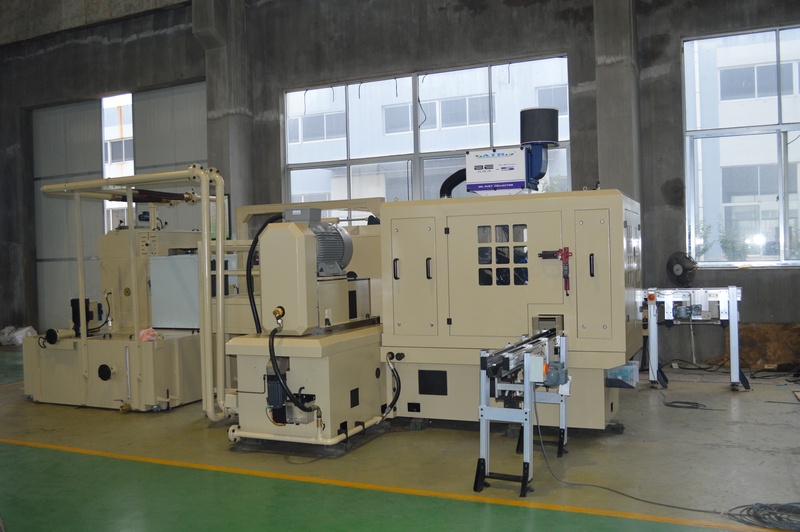
From a productivity standpoint, double disc grinding machines offer a major advantage over traditional grinding methods. By completing both faces in one operation, cycle time is greatly reduced, making these machines ideal for high-volume production.
When integrated with automated feeding and unloading systems, a double disc grinding machine can operate continuously with minimal human intervention. This automation improves output per shift and reduces labor costs, supporting efficient large-scale manufacturing.
Industries such as bearings, automotive components, and hydraulic systems require extremely tight tolerances and consistent part quality. Double disc grinding machines naturally excel in controlling thickness and parallelism due to their simultaneous grinding process.
High-quality double disc grinding machines feature rigid machine structures, precision spindles, and stable feed mechanisms, enabling micron-level tolerance control. Compared to traditional methods, they deliver superior consistency across large production batches.
Traditional grinding methods are more susceptible to quality fluctuations caused by frequent setup changes and operator involvement. Double disc grinding machines minimize these variables through standardized and automated processes.
As a result, manufacturers using double disc grinding machines benefit from higher yield rates, reduced scrap, and fewer rework requirements. Long-term quality stability becomes a major competitive advantage.
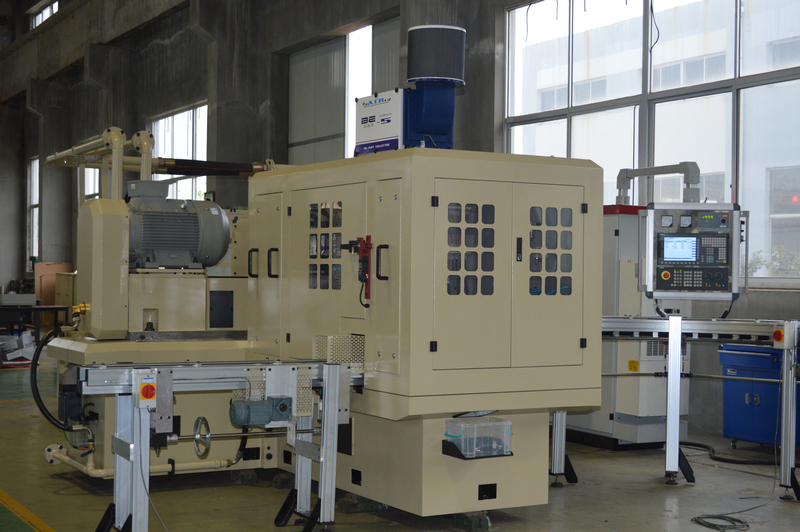
Although the initial investment for a double disc grinding machine is typically higher than that of a conventional grinder, the long-term economic benefits are substantial. Higher productivity, reduced labor costs, lower scrap rates, and consistent quality all contribute to a faster return on investment.
For manufacturers seeking to upgrade their grinding processes, a double disc grinding machine represents a strategic step toward automation, efficiency, and sustainable growth.
In summary, double disc grinding machines offer clear advantages over traditional grinding methods in terms of efficiency, precision, consistency, and overall cost control. As manufacturing continues to move toward higher automation and tighter tolerances, the double disc grinding machine will remain a key solution in precision production environments.