


Maintaining consistent quality across large production volumes is one of the biggest challenges in modern manufacturing. Variations in thickness, flatness, and parallelism can lead to assembly problems, reduced component life, and higher rejection rates. In this context, the double disc grinding machine has become a reliable solution for manufacturers seeking stable and repeatable results in high-volume production.
Unlike conventional grinding processes that machine one surface at a time, double disc grinding machines process both sides of a workpiece simultaneously. This balanced material removal plays a critical role in achieving uniform thickness and minimizing dimensional variation from part to part. Because both surfaces are ground in a single pass, the influence of operator error and multiple setups is greatly reduced, leading to improved process stability.
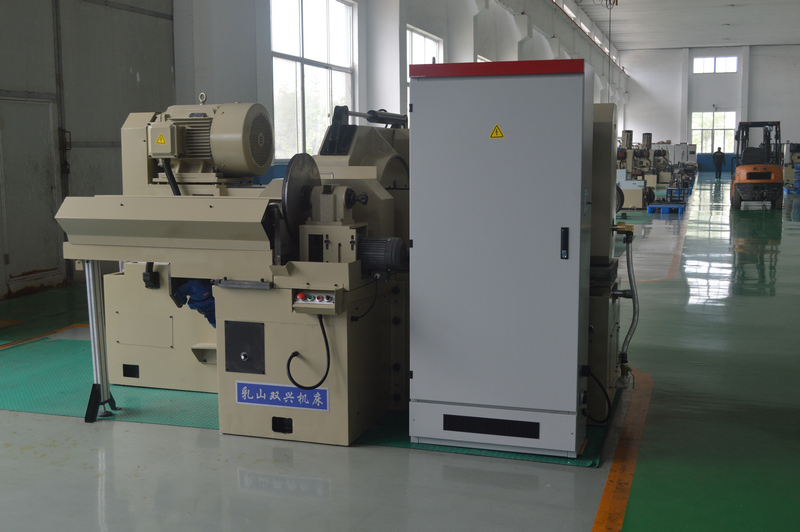
Consistency is particularly critical in industries such as automotive, bearing manufacturing, and hydraulic components, where thousands or even millions of identical parts are produced. Double disc grinding machines ensure that each workpiece meets strict tolerance requirements, even during long production runs. The rigid machine structure and high-precision spindle systems help maintain accuracy over extended operating periods, which is essential for continuous manufacturing environments.
Another factor that contributes to quality consistency is the reduction of internal stress during machining. When material is removed evenly from both sides of a component, the risk of warping or deformation is significantly lowered. This is especially important for thin or flat parts, where uneven grinding can easily result in distortion. Double disc grinding provides a stable process that improves part flatness and dimensional reliability.
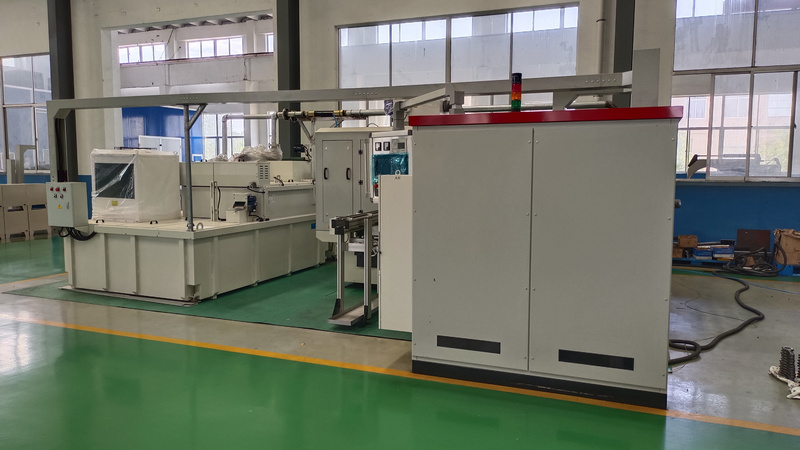
Modern double disc grinding machines are often equipped with advanced control systems that allow precise adjustment and monitoring of grinding parameters. Feed rate, wheel speed, and grinding pressure can be controlled accurately to maintain consistent cutting conditions. Automated feeding systems further enhance repeatability by ensuring stable positioning and movement of each workpiece throughout the grinding process.
From a production management perspective, improved consistency also leads to cost savings. Reduced scrap rates, fewer rework operations, and lower inspection time all contribute to higher overall efficiency. Manufacturers benefit not only from improved product quality but also from a more predictable and controllable production process.
As manufacturing standards continue to rise, consistency and repeatability have become as important as productivity. Double disc grinding machines address these demands by providing a stable, efficient, and precise grinding solution. For manufacturers focused on long-term quality control and high-volume production, double disc grinding technology remains a key process in achieving reliable and competitive manufacturing outcomes.