


Precision components in the automotive and aerospace industries demand strict tolerances and high surface quality to ensure optimal performance, safety, and reliability. Every component, from engine parts and transmission elements to hydraulic systems and structural assemblies, must meet stringent dimensional standards. A double disc grinding machine is ideally suited for these requirements, offering an advanced solution that allows manufacturers to grind both sides of a part simultaneously. By processing two surfaces at once, manufacturers can achieve exceptional flatness, uniform thickness, and precise dimensional accuracy, which are critical for components that must operate under high stress or in demanding conditions.
The primary advantage of double disc grinding lies in its ability to improve efficiency without compromising quality. Compared with conventional single-sided grinding, this dual-surface approach significantly reduces production cycles and increases throughput. Manufacturers can produce large volumes of high-precision components in less time, which is especially valuable in automotive and aerospace sectors where production schedules are tight and quality standards are non-negotiable. Simultaneous grinding also minimizes material stress and distortion, reducing the need for secondary finishing operations and lowering overall production costs.
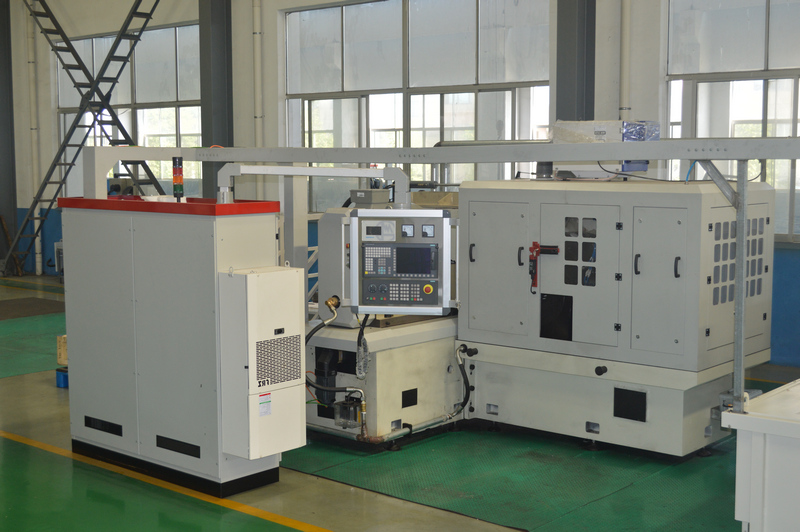
Modern double disc grinding machines incorporate advanced technologies that further enhance performance and reliability. Precision spindles ensure consistent rotational accuracy, while reinforced machine frames provide rigidity to maintain flatness and parallelism under continuous operation. Effective cooling and lubrication systems prevent heat buildup during grinding, preserving both the workpiece and the abrasive wheels. CNC-controlled automation allows operators to program specific grinding parameters, enabling repeatable precision across hundreds or thousands of components. These features ensure that even complex shapes and hard-to-machine materials can be processed efficiently without sacrificing tolerances.
The applications of double disc grinding machines in automotive and aerospace manufacturing are extensive. In the automotive sector, they are used to grind valve plates, clutch components, transmission gears, and bearings to exact specifications. These parts must not only fit precisely but also perform reliably under dynamic loads. In aerospace manufacturing, double disc grinders are applied to critical structural components, hydraulic valves, and high-performance engine parts, where even minor deviations in flatness or thickness can compromise safety or functionality. The machines’ ability to handle a variety of materials, including steel, aluminum, titanium alloys, and specialized composites, makes them versatile enough to serve multiple industries with differing technical requirements.
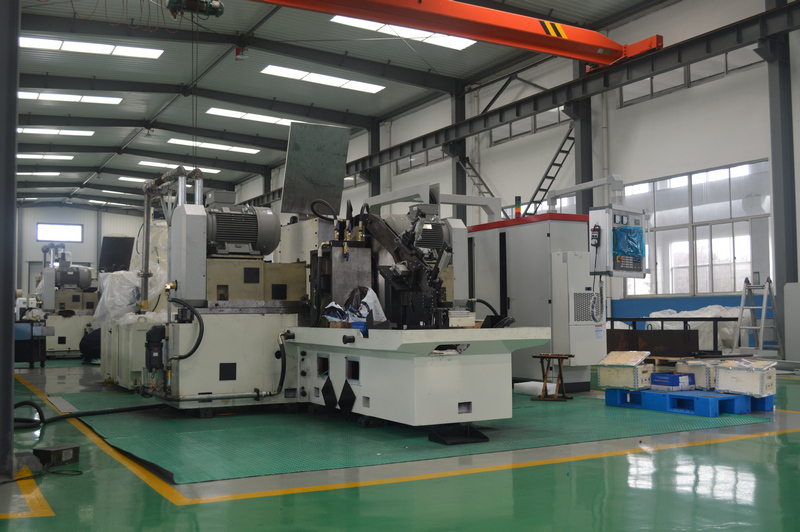
Investing in high-quality double disc grinders provides long-term benefits for manufacturers. By ensuring consistent precision and reducing defect rates, these machines improve overall production efficiency and support quality assurance standards required by automotive and aerospace certifications. Reliable operation over extended production runs also minimizes downtime and maintenance costs. For manufacturers aiming to stay competitive, adopting double disc grinding technology is not merely an operational improvement but a strategic decision that enhances product quality, boosts throughput, and strengthens market position.
In summary, a double disc grinding machine is an indispensable tool for the production of high-precision components in the automotive and aerospace industries. Its ability to grind both sides of a workpiece simultaneously ensures superior flatness, uniform thickness, and consistent dimensional accuracy. Combined with modern features such as CNC automation, precision spindles, and advanced cooling systems, these machines allow manufacturers to meet rigorous industry standards while improving efficiency and reducing costs. By integrating double disc grinding into their production processes, manufacturers can achieve reliable results, minimize defects, and maintain a competitive edge in markets where precision, quality, and performance are paramount.