


In modern precision manufacturing, controlling flatness, parallelism, and thickness tolerance is critical for component performance and assembly accuracy. A double disc grinding machine is specifically designed to meet these requirements by grinding both sides of a workpiece simultaneously. This process not only improves dimensional accuracy but also significantly increases production efficiency, making double disc grinding machines an essential solution for high-volume and high-precision industries.
A double disc grinding machine operates using two opposed grinding wheels that remove material from both faces of a part at the same time. This balanced grinding method ensures uniform material removal, resulting in excellent surface finish and consistent thickness. Compared with single-side grinding, double disc grinding reduces processing steps and minimizes part deformation caused by uneven stress distribution.
One of the key advantages of a double disc grinding machine is its ability to achieve extremely tight tolerances while maintaining high throughput. Because both sides are processed in one operation, cycle times are reduced and repeatability is improved across large production batches. This makes the machine particularly suitable for mass production environments where efficiency and consistency are equally important.
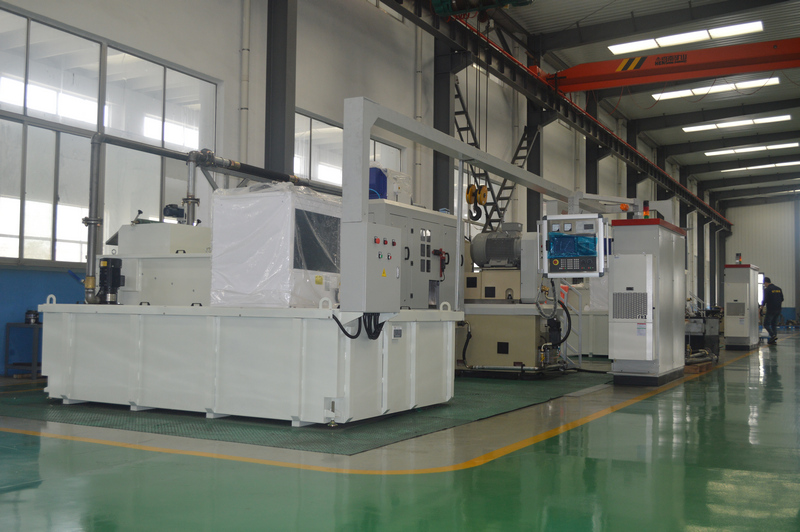
Double disc grinding machines are widely used in industries that demand precise and stable components. Automotive manufacturers rely on them for processing parts such as valve plates, bearing components, and transmission elements. In hydraulic and pneumatic systems, double disc grinding ensures accurate thickness and parallel surfaces, which are essential for sealing performance and system reliability. Aerospace and general machinery industries also use double disc grinding to meet strict dimensional and surface quality standards.
Modern double disc grinding machines are designed with advanced structural stability and thermal control to maintain precision during long operating hours. Rigid machine frames, precision spindles, and optimized coolant systems help control vibration and heat generation during grinding. These features contribute to stable machining accuracy and extended machine service life, even under continuous industrial workloads.
Automation is another important feature of contemporary double disc grinding machines. Automatic feeding systems and CNC control options allow precise adjustment of grinding parameters, improving process consistency and reducing manual intervention. This level of automation not only enhances productivity but also lowers labor costs and reduces the risk of human error in precision grinding operations.
Selecting the right double disc grinding machine depends on factors such as workpiece size, material type, required tolerances, and production volume. A well-designed machine should offer stable performance, flexible configuration options, and reliable long-term operation. Working with an experienced double disc grinding machine manufacturer ensures access to technical expertise, customization capabilities, and dependable after-sales support.
As manufacturing standards continue to rise, the demand for high-precision and efficient surface grinding solutions will continue to grow. A double disc grinding machine provides manufacturers with a proven method to achieve superior flatness, parallelism, and productivity. By investing in the right equipment, manufacturers can improve product quality, streamline production processes, and maintain a competitive advantage in precision machining markets.