


In precision component manufacturing, surface quality is a critical factor affecting assembly and performance. Whether it’s aerospace parts, automotive components, or precision valve components, uneven surfaces or excessive roughness can directly impact downstream assembly and mechanical function. Double disc grinders achieve high surface consistency by grinding both sides of a workpiece simultaneously, a result difficult to achieve with traditional single-disc grinders.
Double disc grinders use two opposing grinding discs, applying balanced force to minimize warping and internal stress. This improves flatness and achieves superior surface finish. Many manufacturers have reported lower rework rates and higher assembly efficiency after implementing double disc grinding, demonstrating clear quality benefits.
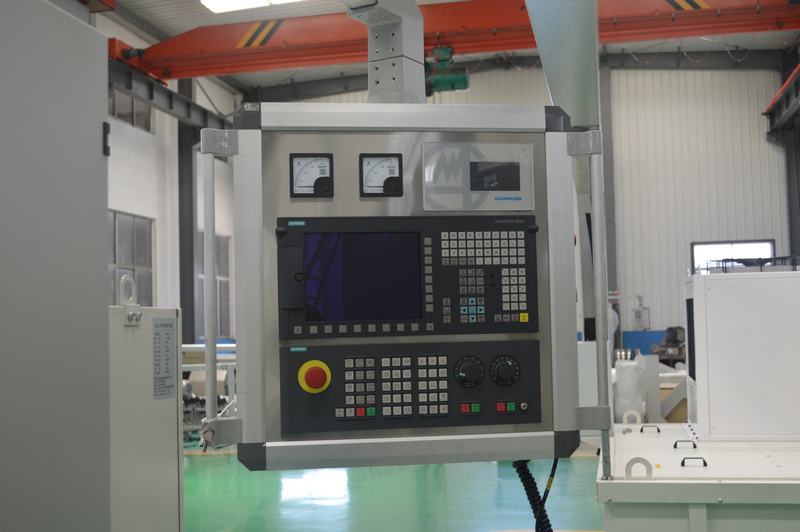
Modern double disc grinders often feature online measurement devices to monitor workpiece thickness and surface condition in real time. The system can automatically adjust grinding parameters to maintain uniformity across batches, significantly reducing human error and improving process stability. This is particularly valuable in high-volume production, where inconsistencies can result in increased rework and scrap rates.
Double disc grinders are versatile and can handle steel, copper, aluminum, ceramics, and more. They are particularly effective with composite and brittle materials, ensuring stable surface quality and avoiding scratches or uneven finishes common with traditional methods. In high-end electronics or medical device components, this stability is crucial, as even minor surface defects can compromise performance and longevity.
Overall, double disc grinders are an essential tool for achieving high surface consistency. They improve flatness, reduce roughness, enhance production efficiency, and minimize rework. For industries with strict tolerances on flatness, thickness, and surface finish, proper use and maintenance of double disc grinders not only ensures product quality but also enhances overall production efficiency and competitiveness.