


Double disc grinding machines come in several configurations, with horizontal and vertical types being the most commonly used. Each type offers its own advantages depending on part shape, production needs, and surface quality requirements. Understanding the differences helps manufacturers select the most efficient grinding method for their applications.
Horizontal double disc grinders position the two grinding wheels on the sides of the workpiece. Parts are fed between the wheels using a carrier or conveyor system. This configuration is particularly suitable for thin, flat components such as washers, bearing races, piston rings, and clutch plates. Horizontal grinders offer excellent control over thickness and parallelism and are ideal for high-volume production where precision and consistency are essential.
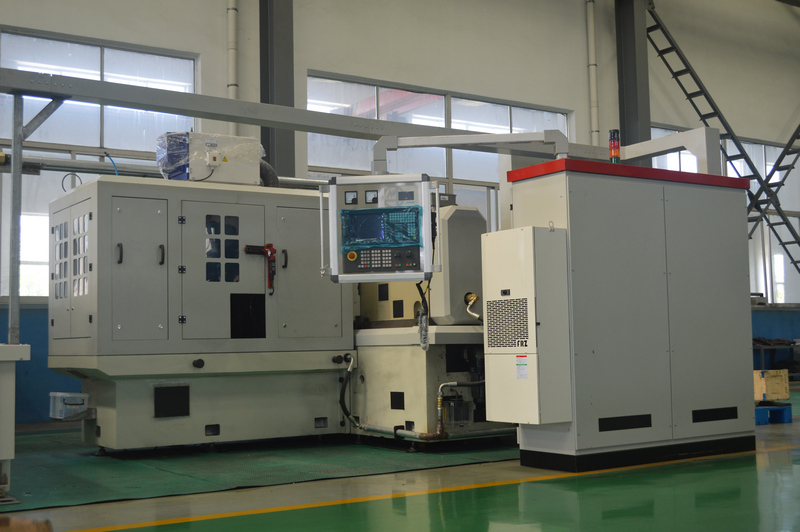
Vertical double disc grinders position the wheels above and below the workpiece. Gravity assists in part loading, making the vertical design more suitable for larger, heavier, or more complex parts. Examples include brake rotors, pump bodies, and gear components. Vertical grinders typically offer better rigidity, allowing for heavier grinding loads and improved stability during processing.
Another key difference lies in material flow. Horizontal machines usually support continuous production, where parts move steadily through the grinding zone. Vertical grinders, on the other hand, often use rotary tables or oscillating mechanisms to hold and process parts. This makes them well-suited for medium-volume or precision-critical applications.
From a maintenance perspective, vertical grinders may offer easier wheel change access, while horizontal systems often allow more efficient automation integration. Both types support CBN and diamond wheels, enabling high-performance grinding of hardened steels, superalloys, and advanced materials.
Choosing between horizontal and vertical double disc grinding depends on several factors: part geometry, tolerance requirements, throughput needs, and automation compatibility. By selecting the right configuration, manufacturers can significantly enhance production efficiency and achieve higher machining quality.