


In the context of the current transformation and upgrading of the manufacturing industry, high-precision processing technology is facing unprecedented development opportunities. As a key piece of equipment in the field of precision processing, the double disc grinding machine, with its unique technical advantages, has demonstrated significant application potential across multiple industrial sectors. This article will delve into the technical characteristics, industry applications, and future development trends of the double disc grinding machine.
I. Technical Characteristics and Core Advantages
Double disc grinding machines adopt a unique dual-wheel synchronous grinding design, achieving simultaneous processing of both sides of the workpiece through a precision control system. This design not only significantly improves processing efficiency but also ensures extremely high processing accuracy. Modern high-end double disc grinding machines can achieve dimensional tolerances of ±0.002mm and surface roughness below Ra0.2, fully meeting the processing requirements for high-precision components.
In terms of specific technical implementation, double disc grinding machines primarily rely on three core technologies: first, a high-rigidity bed design using high-quality cast iron materials and optimized structure to ensure stability during long-term use; second, a precision servo control system that adjusts processing parameters in real-time through closed-loop feedback; and third, an intelligent grinding wheel management system featuring functions such as automatic dressing and dynamic balance compensation.
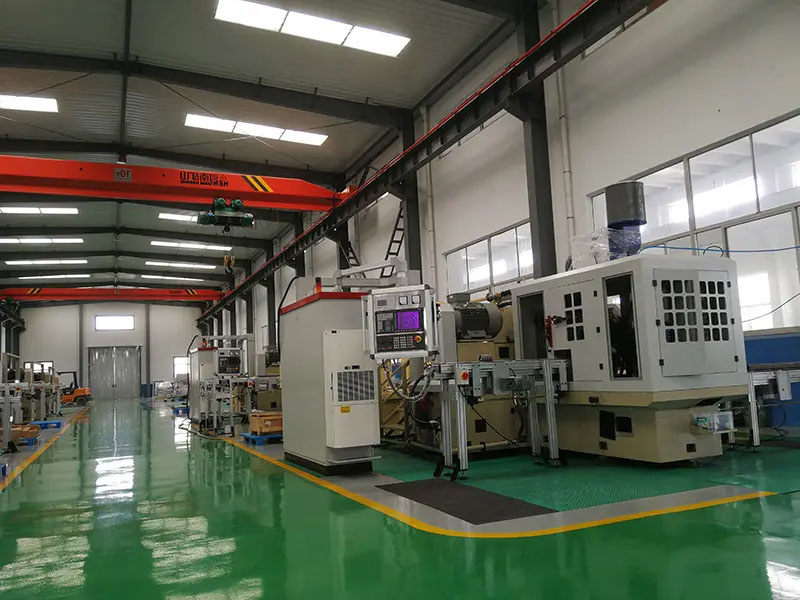
II. Current Industry Applications
Automotive Manufacturing Sector
In automotive component processing, double disc grinding machines are primarily used for the precision machining of critical components such as transmission gears, bearing rings, and piston rings. For example, a well-known automotive component supplier achieved a 40% increase in bearing ring processing efficiency and reduced product defect rates to below 0.3% after adopting double-sided grinding machines.
Aerospace Industry
Key components such as aircraft engine blades and turbine discs require extremely high processing precision. After introducing high-end double disc grinding machines, a certain aerospace manufacturing company successfully controlled blade processing precision within 0.003mm, fully meeting aerospace-grade quality standards.
Electronics and Semiconductor Industry
In the processing of precision electronic components such as semiconductor packaging substrates and ceramic components, the grinding machines demonstrate unique advantages. A certain electronic component manufacturer achieved thickness control at the 0.001 mm level using a specially configured double-sided grinding machine, significantly improving product yield rates.
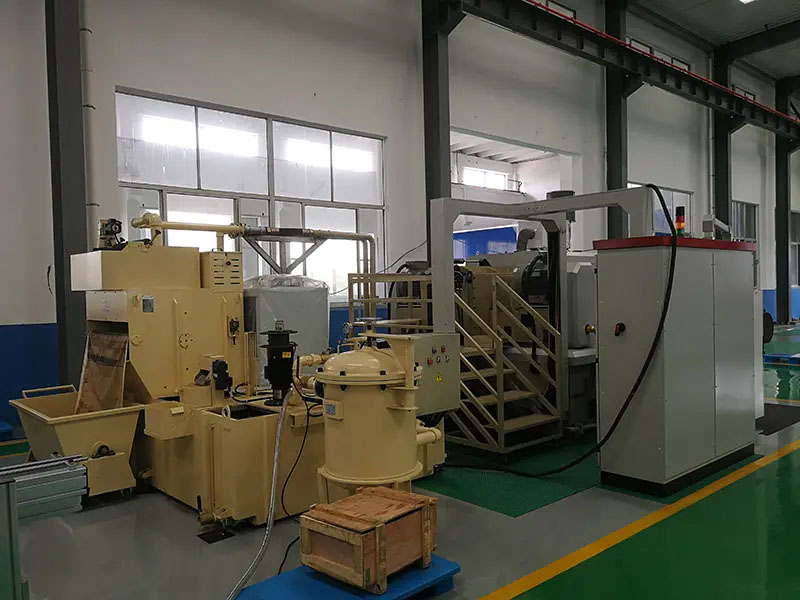
III. Future Development Trends
Intelligent Upgrades
With the deepening advancement of Industry 4.0, double disc grinding machines are accelerating toward intelligent development. It is anticipated that within the next three years, equipment with intelligent functions such as AI parameter optimization and remote diagnosis will become the market mainstream.
Green Manufacturing
The application of green technologies such as environmentally friendly cooling systems and energy recovery devices will become an important development direction. Some leading companies have begun researching dry grinding technology to completely resolve cooling fluid pollution issues.
Multi-Functional Integration
Future double disc grinding machines will evolve toward composite processing, integrating multiple functions such as measurement and inspection to achieve the goal of “one setup, complete processing.”
As a leading manufacturer of double disc grinding machines, Shuangxing Machine Tool is committed to providing customers with the optimal grinding solutions. Our professional technical team can provide customized equipment selection and process optimization recommendations based on customer needs.