


In today's era of high-quality development in manufacturing, double disc grinding machines have become indispensable key equipment in the field of precision machining. Faced with the wide variety of product models available on the market, selecting the most suitable equipment to meet a company's production needs has become a significant challenge for many procurement decision-makers. Selecting an appropriate double-sided grinding machine requires a comprehensive consideration of multiple factors, including processing requirements, production scale, and budget costs. Only by thoroughly balancing these factors can one ensure the maximization of investment returns.
Companies must first clearly define their processing needs. The core value of a double disc grinding machine lies in its ability to simultaneously process both ends of a workpiece, ensuring high precision in parallelism and dimensional consistency. Therefore, it is essential to conduct a detailed assessment of key parameters such as the material properties, dimensional range, and precision requirements of the workpieces to be processed. For example, manufacturers of automotive brake pads should focus on the machine's structural rigidity and grinding wheel performance to ensure the quality of cast iron material processing; whereas companies handling precision ceramic parts place greater emphasis on vibration control and temperature compensation capabilities. It is recommended that companies compile a detailed list of processing tasks, including workpiece dimensions, material hardness, and surface roughness requirements, as these will serve as critical criteria for machine selection.
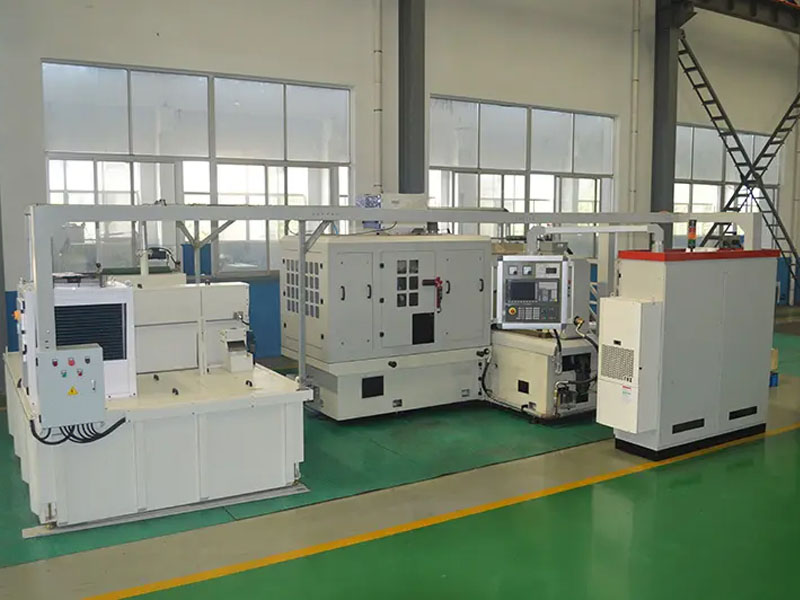
Production scale is another critical factor to consider. For companies engaged in large-scale production, it is recommended to choose models with high automation levels and automatic loading/unloading systems, which can significantly improve production efficiency and reduce labor costs.
The precision grade of the equipment directly impacts product quality. Modern double disc grinding machines typically achieve micron-level processing precision, but different brands and price ranges may exhibit significant differences in long-term stability. When selecting equipment, companies are advised to not only review the standard parameters provided by the manufacturer but also focus on the equipment's performance in actual production environments. If possible, it is best to arrange for trial processing and assess the equipment's process capability by measuring the CPK values of critical dimensions. It is worth noting that higher precision is not always better; excessively high precision requirements often result in higher procurement and maintenance costs. Companies should select an appropriate precision grade based on their actual product requirements.
In terms of budget planning, companies need to establish the concept of total lifecycle costs. In addition to the one-time investment in equipment procurement, long-term operational costs such as energy consumption, consumables, and maintenance should also be considered. Furthermore, the scalability and upgrade potential of the equipment are also worth considering. Reserving appropriate interfaces and space will facilitate future production line upgrades.
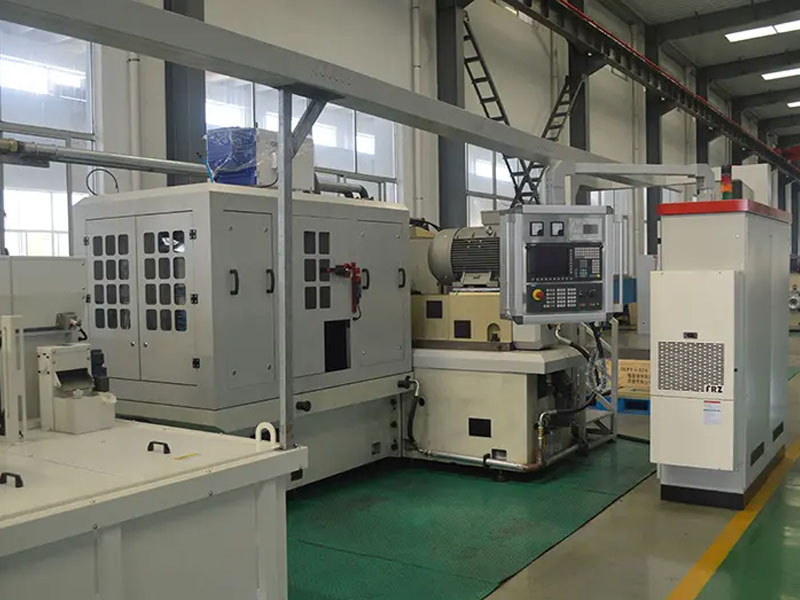
After-sales service and technical support are equally important factors that should not be overlooked during selection. High-quality service can minimize equipment downtime and ensure production continuity. It is recommended that companies thoroughly evaluate the supplier's service network coverage, response speed, and technical training system.
Selecting a double disc grinding machine is a systematic process that requires collaborative decision-making across multiple departments, including technical, production, and procurement. It is recommended to form a professional selection team to comprehensively evaluate the suitability of each candidate machine through on-site inspections, sample testing, and multi-party price comparisons. At the same time, attention should be paid to industry technology trends to ensure that the selected equipment remains competitive over the next 3-5 years. Only through such a rigorous selection process can companies find equipment that truly aligns with their production needs, providing a solid foundation for improving product quality and production efficiency.