News

How Double Disc Grinding Technology Improves Bearing Manufacturing Efficiency

Release time: 2026-08-17

Precision Grinding Becomes Essential in Modern Bearing Production

Bearings are fundamental components used across almost every major industrial sector, including automotive, aerospace, wind power, robotics, construction equipment, and precision machinery. As modern equipment becomes faster, more compact, and more reliable, bearing manufacturers face increasing pressure to deliver components with higher accuracy and longer service life.


The performance of a bearing depends heavily on the precision of its individual components. Small dimensional errors in bearing rings, rollers, washers, and supporting parts can lead to increased friction, vibration, noise, and premature wear during operation.


To meet these demanding requirements, bearing manufacturers are continuously improving their machining processes. High-volume production now requires not only excellent dimensional accuracy but also stable quality, reduced processing time, and efficient resource utilization.


In this environment, the double disc grinding machine has become an important solution for bearing manufacturers seeking to improve production efficiency while maintaining strict quality standards.


Why Bearing Manufacturing Requires High Precision

Bearings operate under continuous mechanical stress, often at high speeds and heavy loads. Their components must maintain precise geometric relationships to ensure smooth operation.


Key quality requirements include:

  • Accurate thickness control

  • Excellent parallelism

  • Stable flatness

  • Consistent surface finish

  • Low dimensional variation

Even small deviations may affect bearing performance.

For example:

  • Uneven component thickness can create improper assembly conditions.

  • Poor parallelism may increase contact pressure.

  • Excessive surface roughness can accelerate wear.

  • Dimensional inconsistency can reduce production reliability.

Therefore, bearing manufacturers require machining technologies capable of delivering repeatable accuracy across large production volumes.


Challenges in Traditional Bearing Component Processing

Bearing components are often produced in extremely high quantities, requiring manufacturing processes that combine precision with productivity.


Traditional grinding methods may face several challenges.

Multiple Processing Steps

Conventional machining processes may require separate operations for different surfaces, increasing production complexity.

Manual Adjustment Requirements

Frequent operator intervention can introduce variations between batches.

Longer Production Cycles

Additional positioning and handling operations increase overall processing time.

Difficulty Maintaining Consistency

During extended production runs, small process changes may gradually affect product quality.


For bearing suppliers serving international customers, these challenges can increase production costs and reduce competitiveness.


Simultaneous Grinding Improves Bearing Component Quality

One of the main advantages of double-sided grinding technology is its ability to process two surfaces at the same time.


This balanced machining method provides several benefits for bearing production.

Better Thickness Control

Because both sides are ground simultaneously, material removal remains more uniform throughout the component.


This helps manufacturers maintain consistent thickness across large production batches.

Improved Parallelism

Grinding both surfaces within the same cycle reduces alignment errors and improves geometric accuracy.

Reduced Deformation Risk

Balanced grinding forces help minimize stress on thin components, especially when processing precision washers and rings.


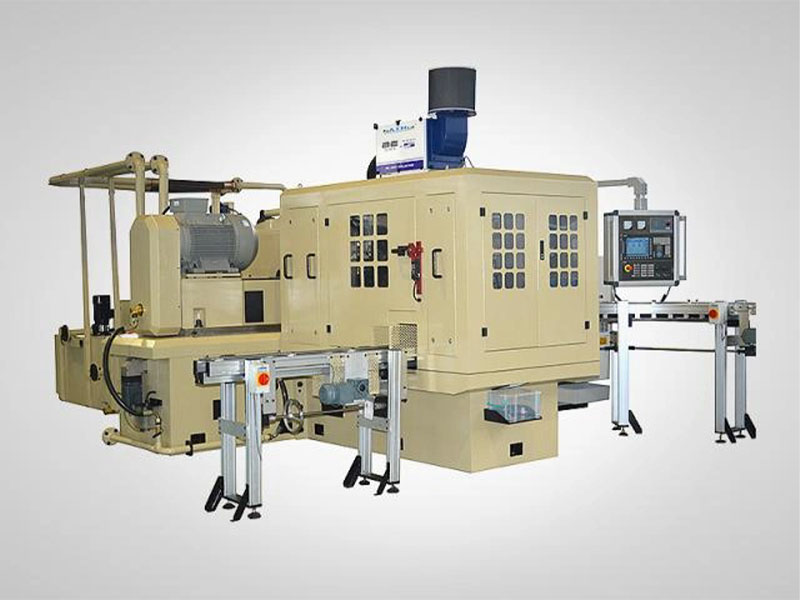
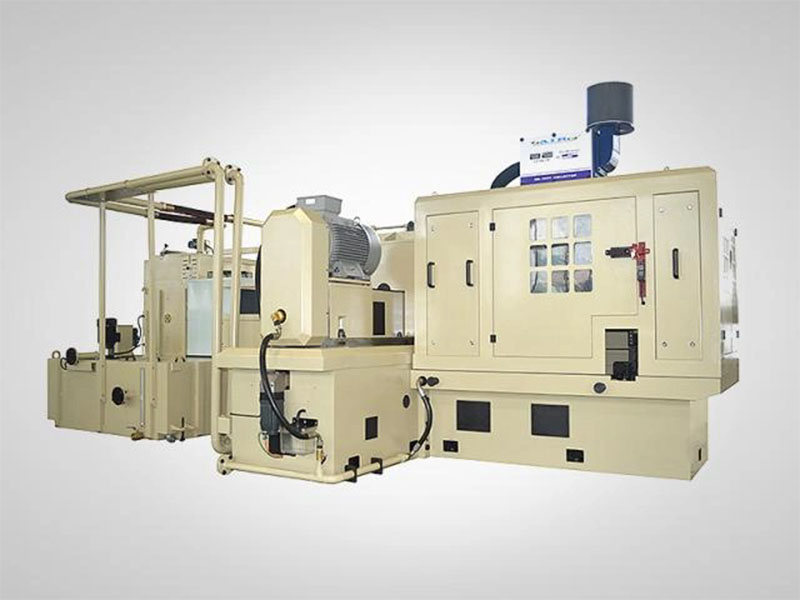
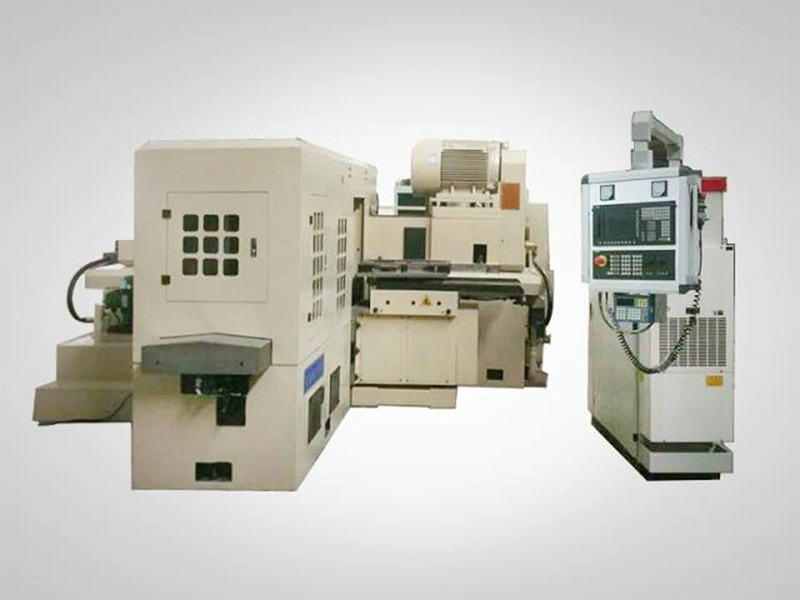
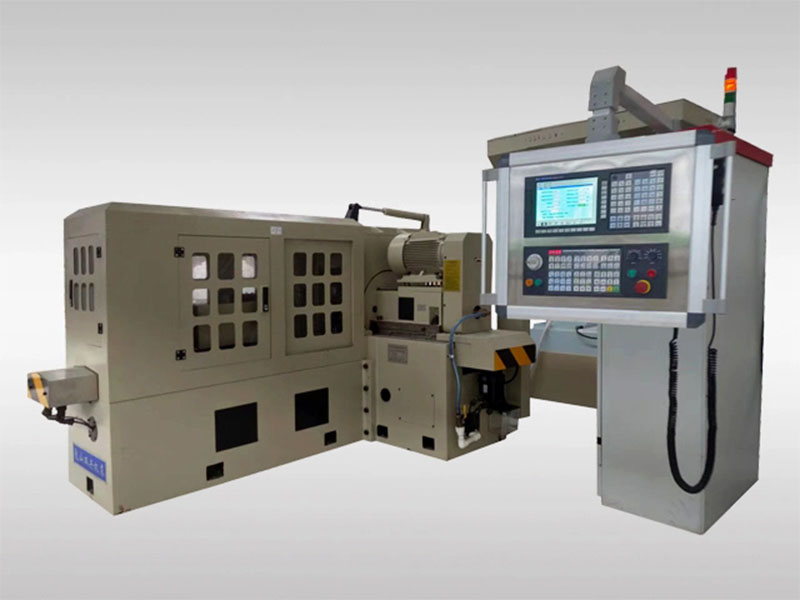
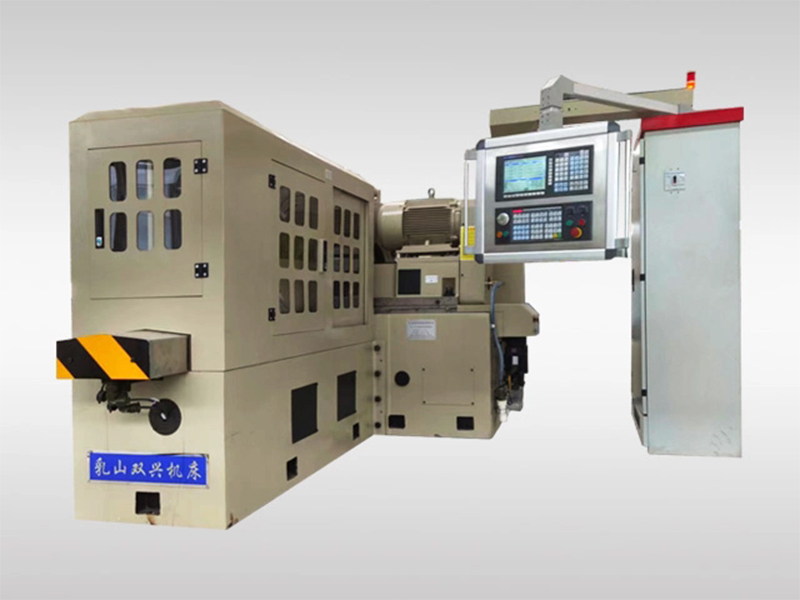
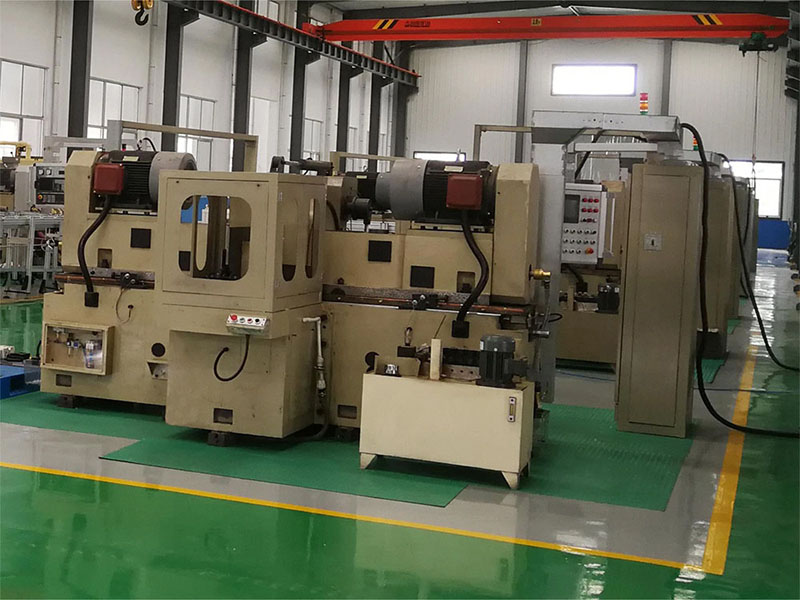
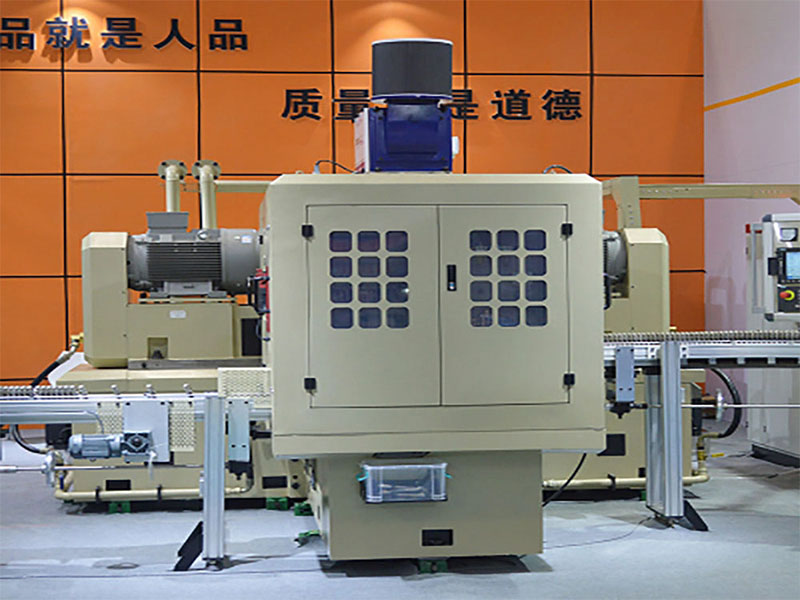
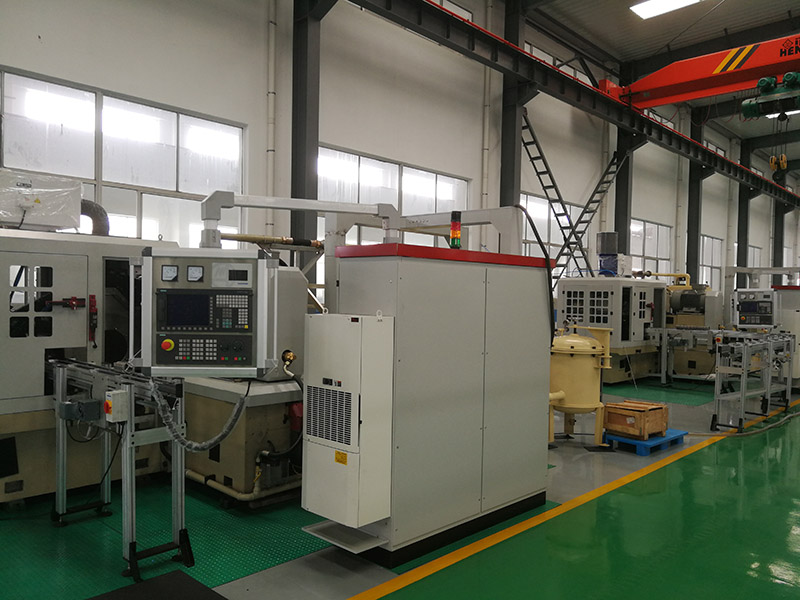
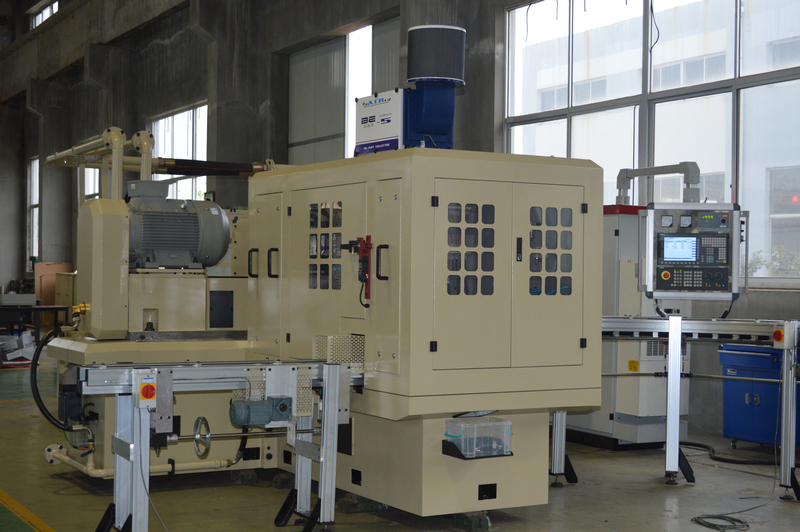
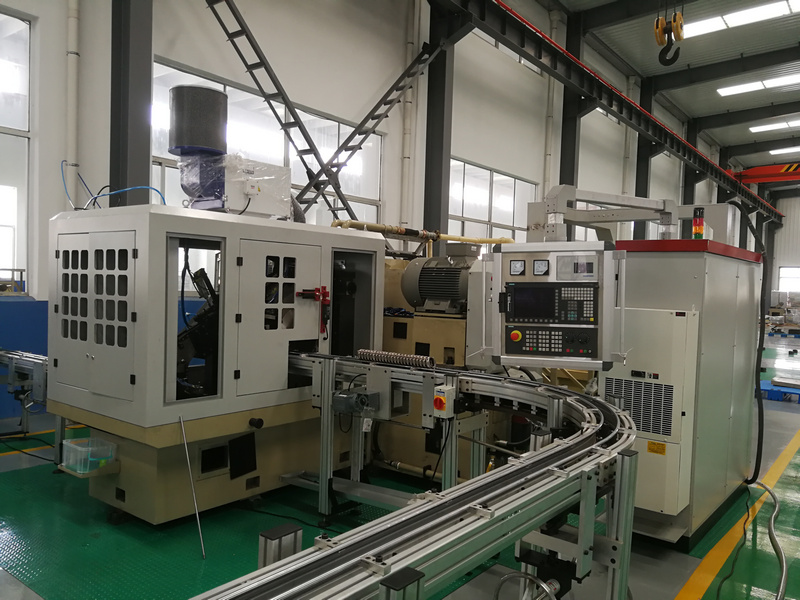
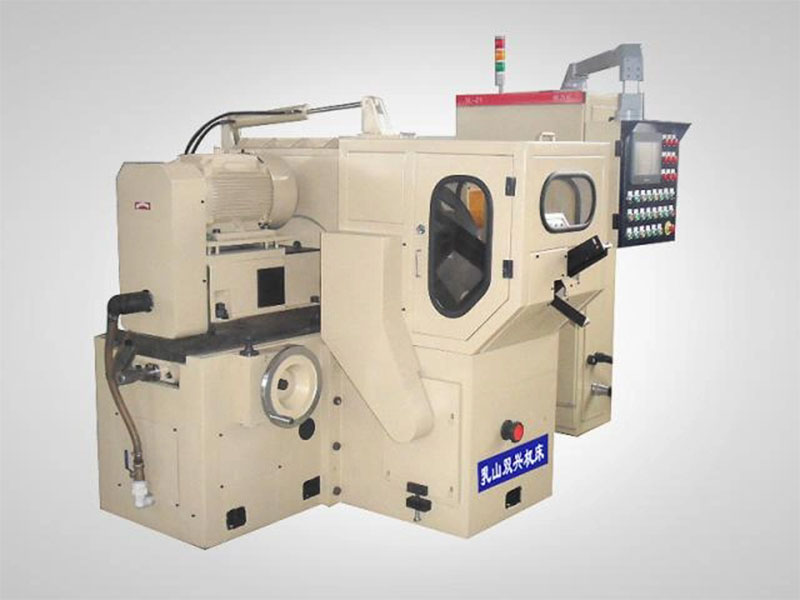
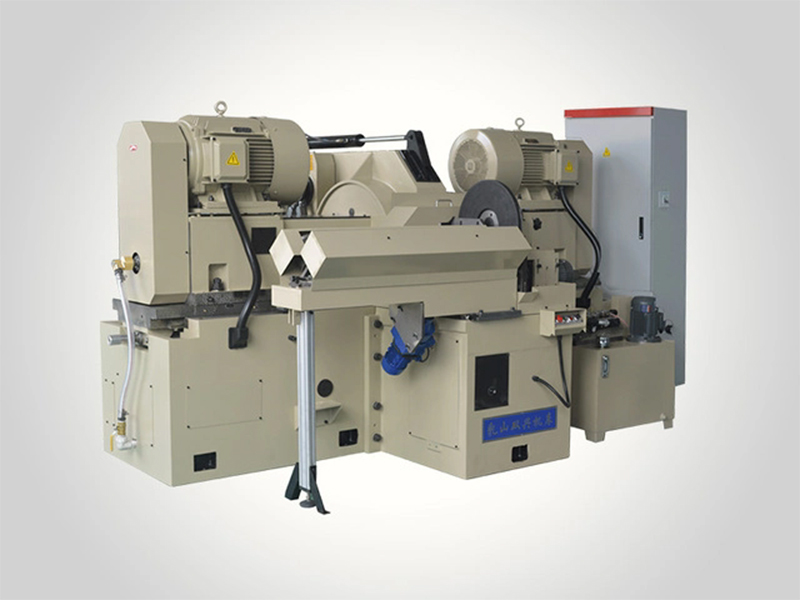
A double disc grinding machine for bearing components provides manufacturers with a reliable method for achieving stable quality while increasing production efficiency.


Automation Supports High-Volume Bearing Production

The global bearing industry relies heavily on high-volume manufacturing. To remain competitive, producers are increasingly adopting automated production solutions.


Modern grinding systems can integrate with:

  • Automatic feeding systems

  • Robotic loading equipment

  • Online measurement devices

  • Automated sorting systems

  • Production management software

Automation improves manufacturing performance by reducing manual handling and maintaining consistent production conditions.


Key advantages include:

Higher Productivity

Continuous material feeding reduces machine idle time.

Stable Quality

Automated operations reduce variation caused by manual handling.

Lower Labor Dependency

Operators can focus on monitoring and process optimization rather than repetitive tasks.

Improved Production Planning

Automated systems provide more predictable cycle times and output capacity.


CNC Control Enhances Manufacturing Flexibility

Bearing manufacturers often produce different component sizes and specifications according to customer requirements.


Modern CNC-controlled grinding systems provide greater flexibility compared with conventional equipment.


Operators can adjust and store machining parameters such as:

  • Grinding speed

  • Feed rate

  • Wheel compensation

  • Processing cycles

  • Product specifications

A CNC double disc grinding machine allows manufacturers to switch between different production requirements more efficiently while maintaining consistent machining quality.


This flexibility is particularly valuable for suppliers serving multiple industries with different bearing applications.


Process Stability Reduces Production Costs

Improving manufacturing efficiency is not only about increasing output. Reducing waste and maintaining stable processes are equally important.


Advanced grinding technology helps manufacturers reduce costs through:

Lower Scrap Rates

Consistent machining accuracy reduces rejected components.

Reduced Rework

Stable surface quality minimizes the need for additional finishing operations.

Improved Tool Utilization

Optimized grinding parameters extend wheel life and reduce replacement frequency.

More Predictable Production

Stable processes improve scheduling accuracy and reduce unexpected interruptions.


For large-scale bearing production, even small improvements in process stability can generate significant economic benefits.


Digital Monitoring Improves Bearing Quality Management

Industry 4.0 technologies are transforming how manufacturers manage precision machining.


Modern grinding equipment can collect real-time production information, including:

  • Machine operating status

  • Grinding force changes

  • Wheel wear conditions

  • Production cycle data

  • Quality inspection results

This information allows engineers to identify potential issues before they affect production.


For example, changes in grinding force may indicate wheel wear or abnormal machining conditions. Early detection allows corrective action before defective parts are produced.


Digital monitoring therefore supports a more proactive approach to quality management.


The Role of Surface Finish in Bearing Performance

While dimensional accuracy is critical, surface finish also has a direct impact on bearing reliability.


A high-quality surface finish helps achieve:

  • Reduced friction

  • Lower operating temperature

  • Improved lubrication performance

  • Extended component lifespan

Grinding parameters, abrasive selection, coolant control, and machine stability all influence final surface quality.


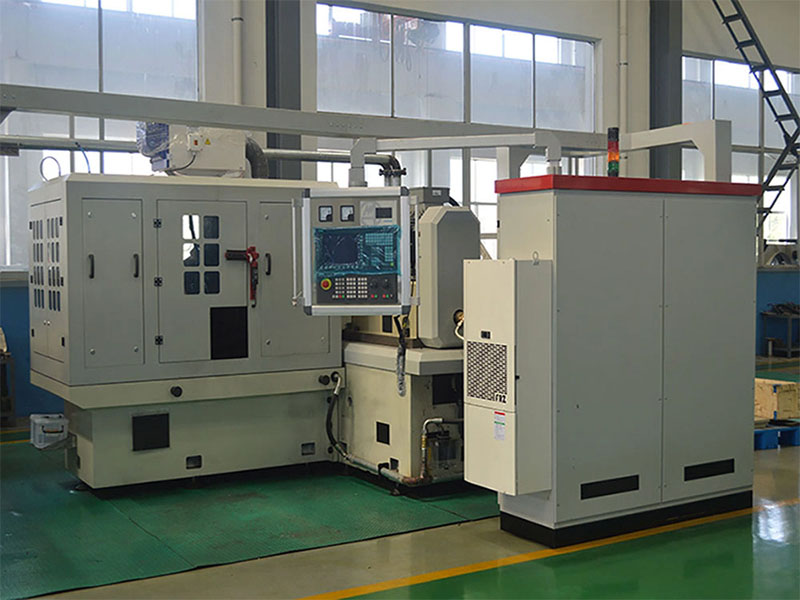
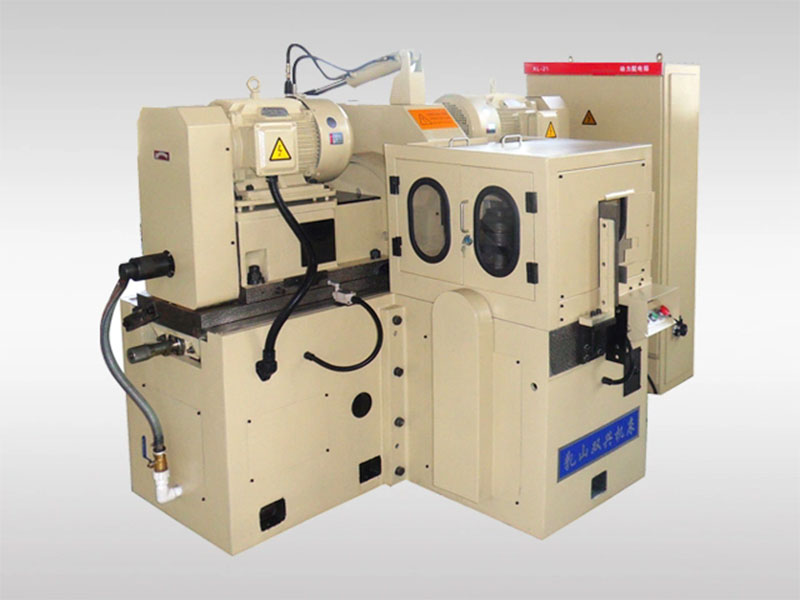
A high precision double disc grinding machine designed for bearing applications provides manufacturers with better control over these factors, helping them achieve consistent surface performance.

Sustainability Trends in Bearing Manufacturing

Environmental responsibility is becoming increasingly important throughout global supply chains.


Bearing manufacturers are exploring ways to improve efficiency while reducing resource consumption.


Modern grinding solutions support sustainability through:

Energy Optimization

Efficient drive systems reduce electricity consumption during production.

Material Efficiency

Higher precision reduces material waste caused by defective components.

Improved Coolant Management

Advanced filtration systems extend coolant service life and reduce waste.
Longer Equipment Service Life

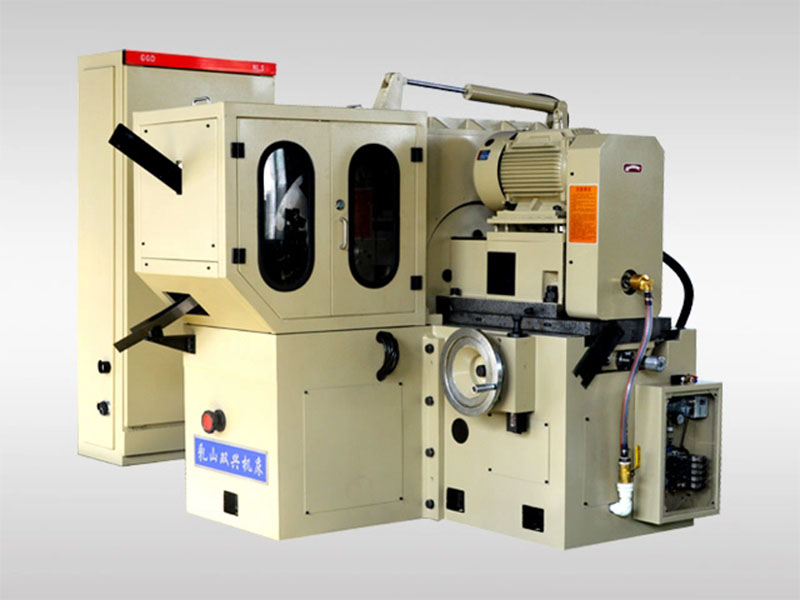
Rigid machine structures and reliable components improve long-term operational value.

These improvements allow manufacturers to achieve both economic and environmental goals.


Future Development Trends in Bearing Grinding Technology

As industrial equipment continues becoming more advanced, bearing manufacturing requirements will continue to evolve.


Future grinding technologies are expected to focus on:

Artificial Intelligence Optimization

AI systems will analyze production data and automatically adjust machining parameters.

Fully Automated Production Lines

Grinding equipment will become increasingly integrated with robotic manufacturing systems.

Advanced Inspection Technology

Real-time measurement will further improve closed-loop quality control.

Smart Maintenance Systems

Predictive maintenance will help reduce downtime and extend equipment lifespan.


These developments will enable bearing manufacturers to achieve higher efficiency and greater production reliability.


Conclusion

Bearing manufacturing requires a combination of precision, consistency, and productivity. As global industries demand more reliable mechanical systems, manufacturers must adopt technologies that can deliver stable quality while supporting large-scale production.


The double disc grinding machine provides an effective solution by combining simultaneous machining, automation compatibility, precise process control, and excellent dimensional stability. For bearing manufacturers seeking to improve production efficiency and strengthen their competitiveness in international markets, advanced grinding technology represents an important investment in future growth.


Improve Your Bearing Production Performance

Whether you are producing bearing rings, washers, precision mechanical parts, or other flat components, selecting the right grinding solution can significantly influence manufacturing efficiency and product quality. Our engineering team can provide customized recommendations based on your material requirements, production capacity, and precision standards. Contact us today to discuss your application and explore how advanced grinding technology can support your manufacturing goals.