In precision manufacturing, dimensional accuracy is often considered the primary quality indicator. However, experienced engineers understand that an excellent surface finish is equally important. Surface roughness, flatness, and parallelism directly influence component performance, assembly quality, wear resistance, and product lifespan.
As manufacturing standards continue to tighten across industries such as automotive, aerospace, hydraulics, and industrial machinery, manufacturers are paying greater attention to finishing processes. Improving surface quality is no longer simply about achieving a better appearance—it has become an essential factor in reducing operational costs and enhancing product reliability.
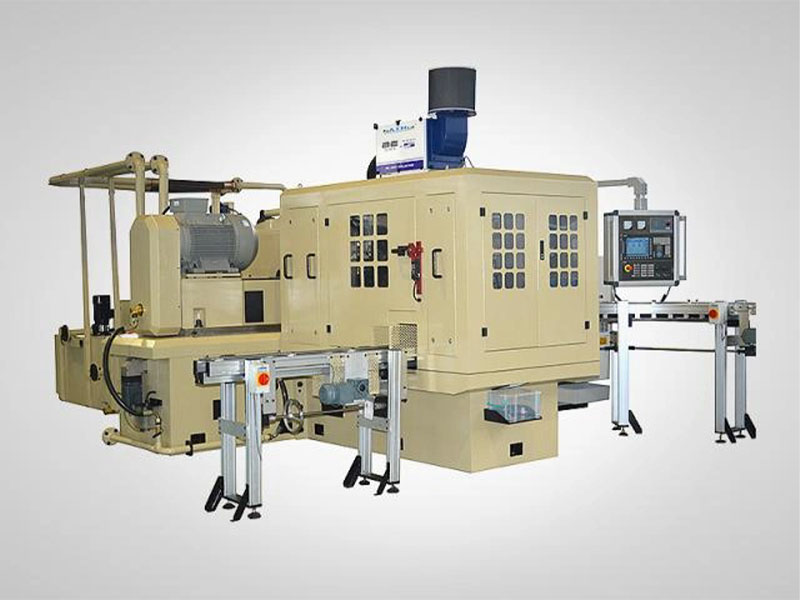
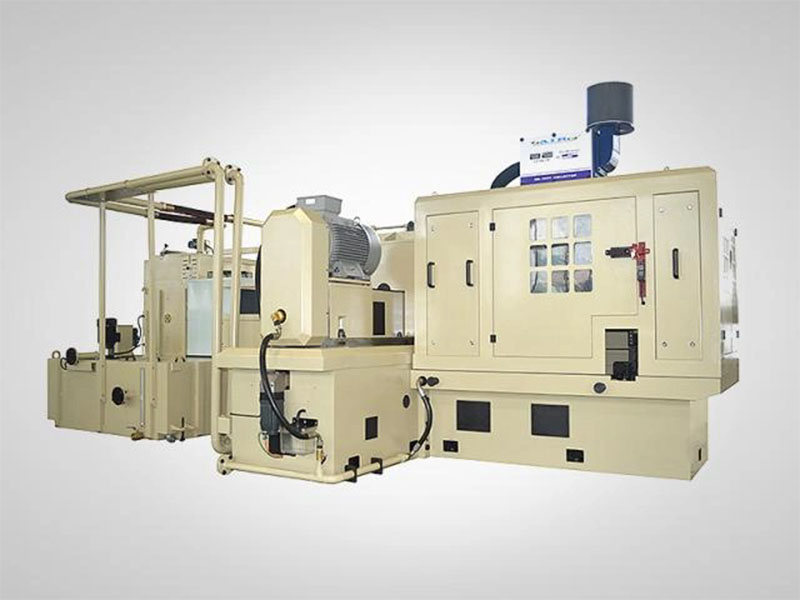
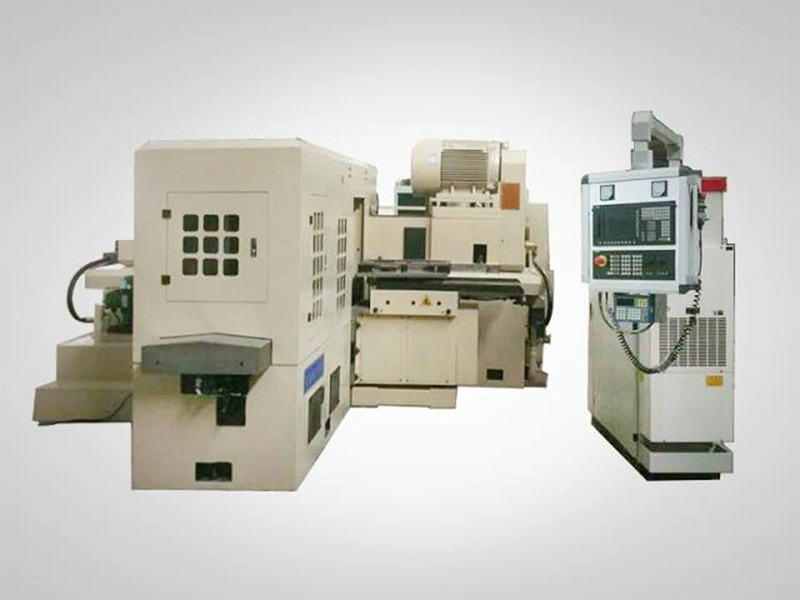
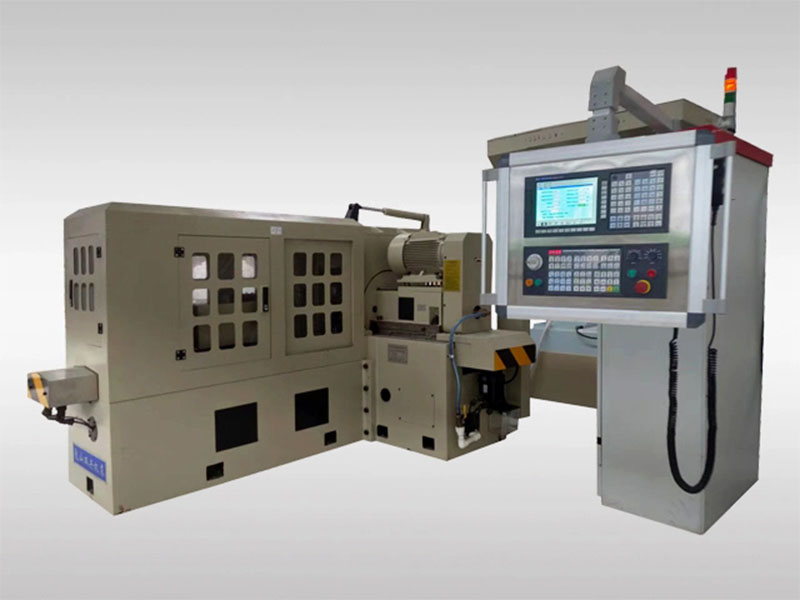
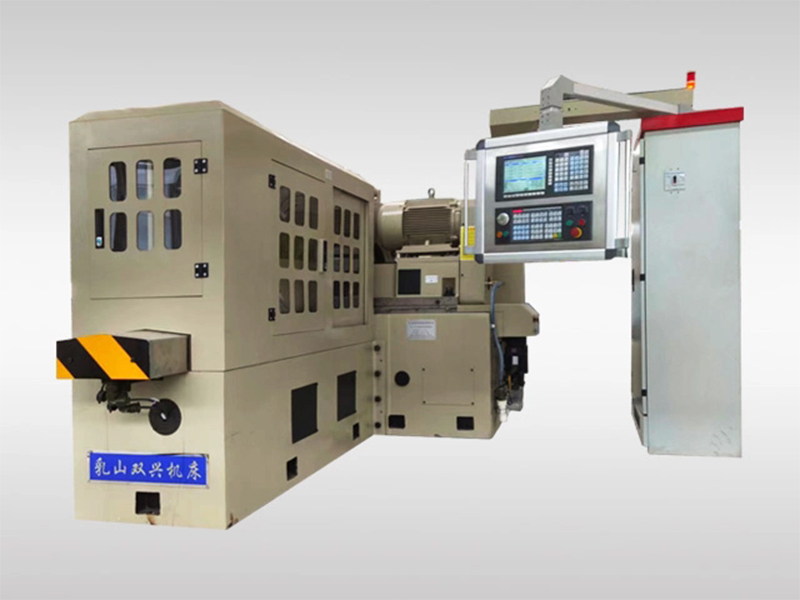
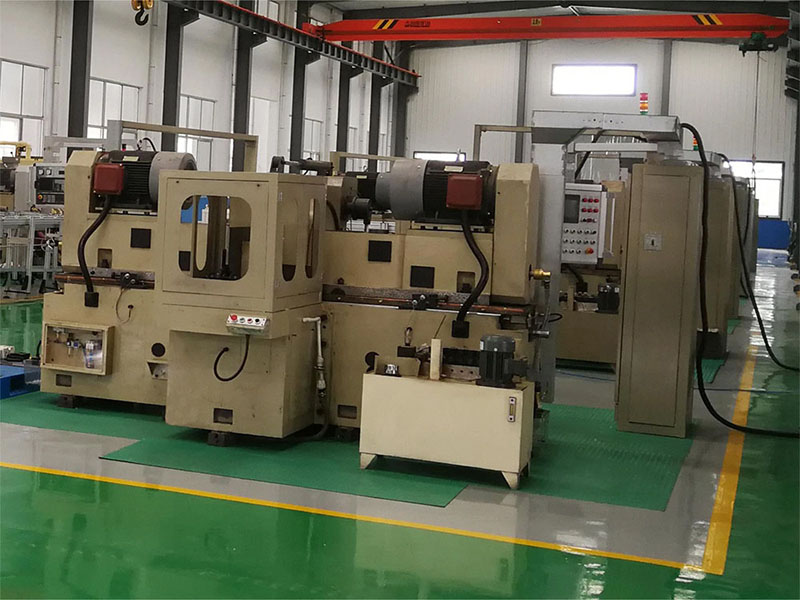
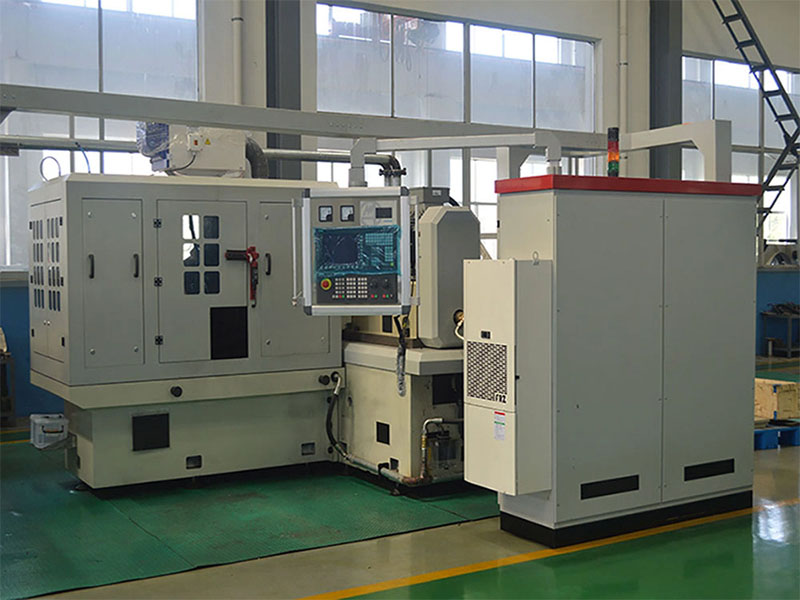
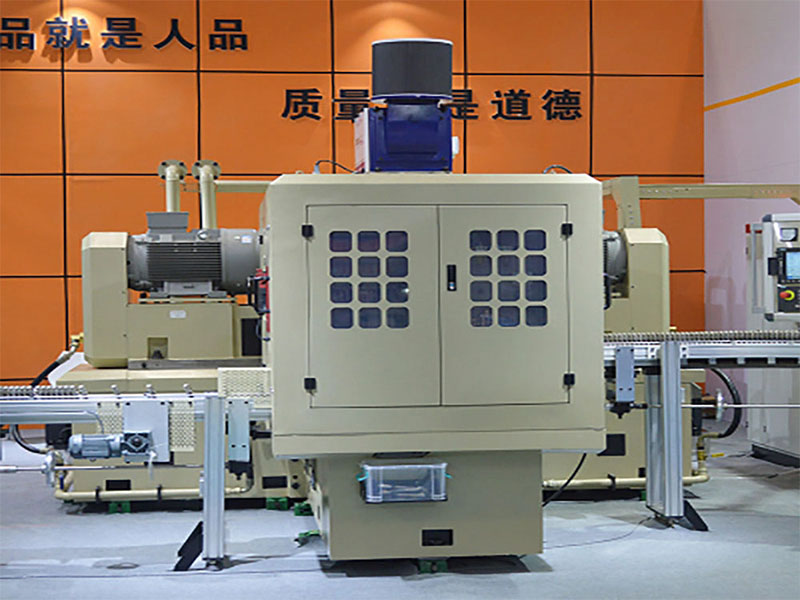
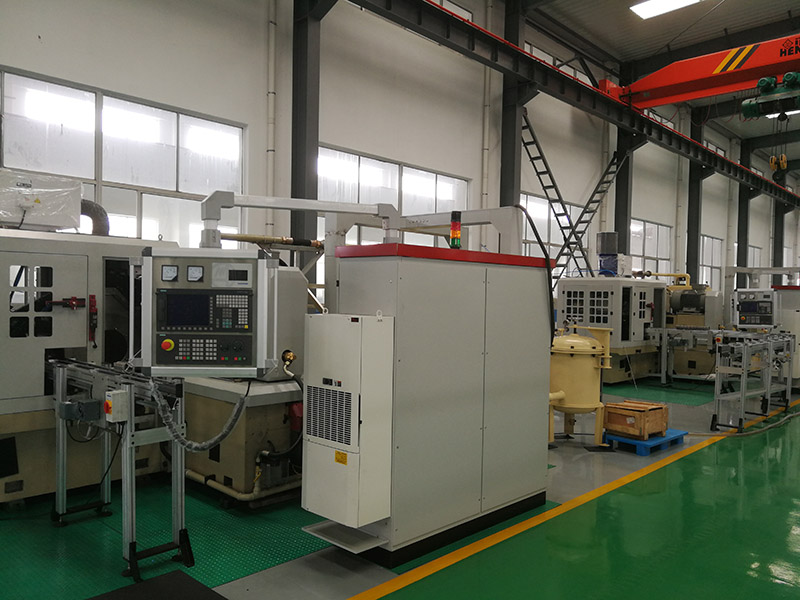
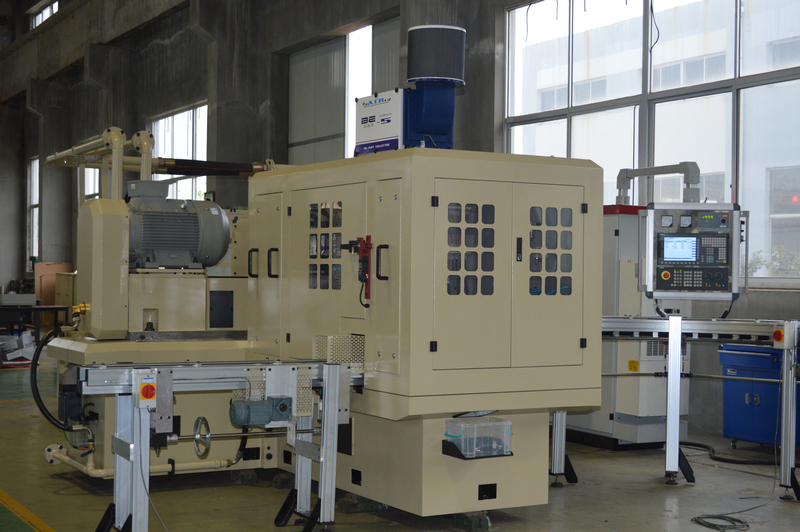
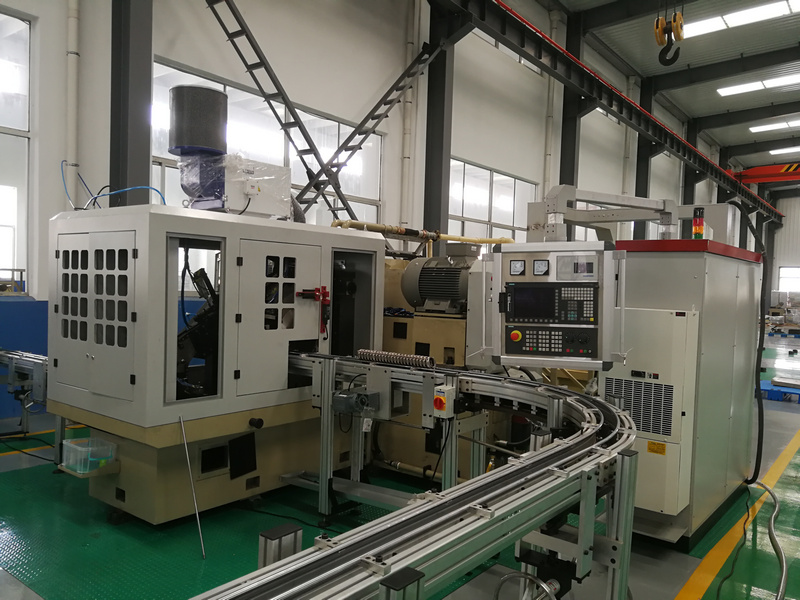
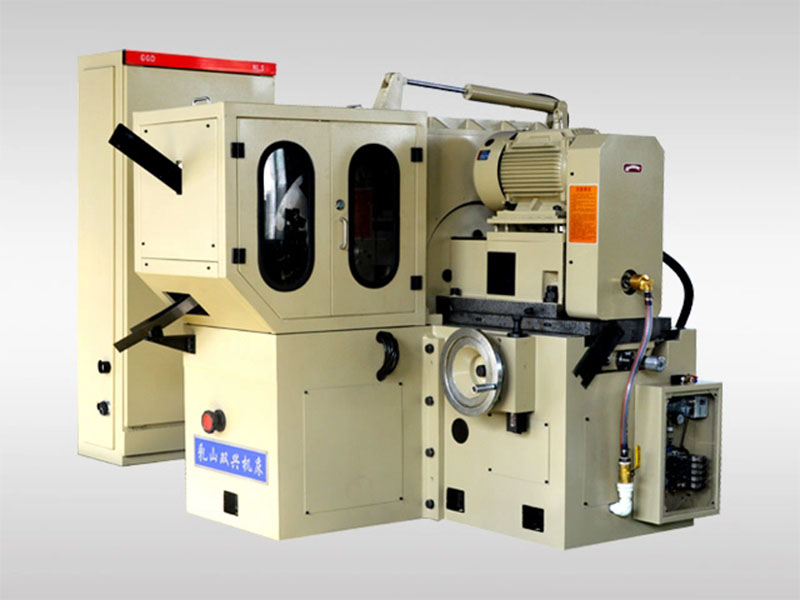
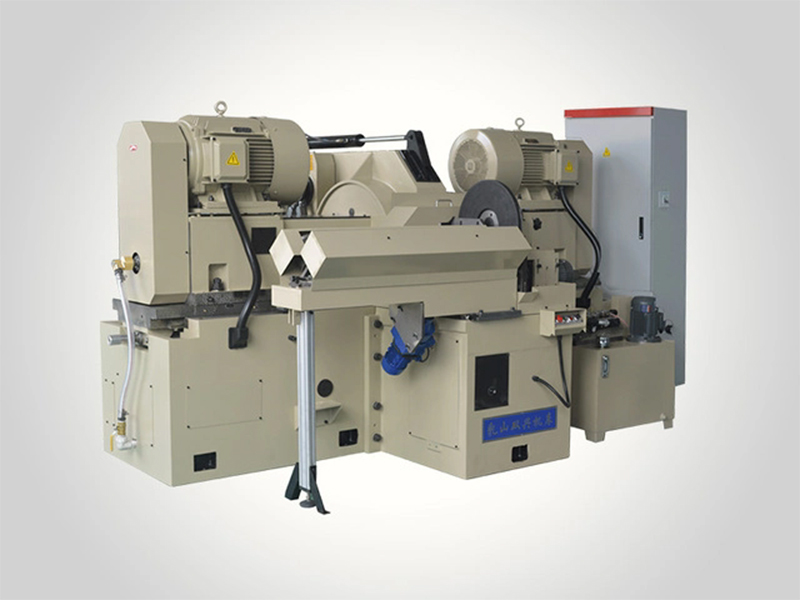
Among the available finishing technologies, the double disc grinding machine has gained widespread recognition for its ability to produce highly consistent surfaces while maintaining exceptional productivity.
The surface condition of a machined component influences much more than its visual appearance. Components with poor surface quality often experience increased friction, accelerated wear, and reduced assembly precision.
For example, excessive surface roughness may cause:
Higher operating temperatures
Increased lubrication requirements
Premature bearing failure
Seal leakage
Excessive vibration
Reduced fatigue strength
In contrast, properly finished components offer smoother contact surfaces, improved load distribution, and more stable long-term performance.
As industries continue pursuing higher equipment reliability, surface quality has become an increasingly important manufacturing objective.
Many industrial sectors require extremely high surface integrity because their components operate under demanding conditions.
Bearing rings and rollers require smooth raceway surfaces to minimize friction and improve rotational accuracy.
Even slight variations in surface quality can influence bearing noise, operating temperature, and service life.
Valve plates, pump components, and hydraulic control parts depend on extremely flat sealing surfaces to prevent internal leakage.
Precision grinding helps maintain consistent sealing performance under high pressure.
Transmission parts, clutch plates, and precision gears require stable surface finishes to reduce wear during continuous operation.
Guide plates, spacers, and positioning components rely on excellent flatness to ensure machining accuracy throughout the equipment's service life.
Traditional grinding processes typically machine one side of a component before repositioning it to process the opposite surface.
Although effective for certain applications, this approach introduces several challenges:
Multiple positioning operations
Increased machining time
Higher risk of dimensional variation
Uneven grinding pressure
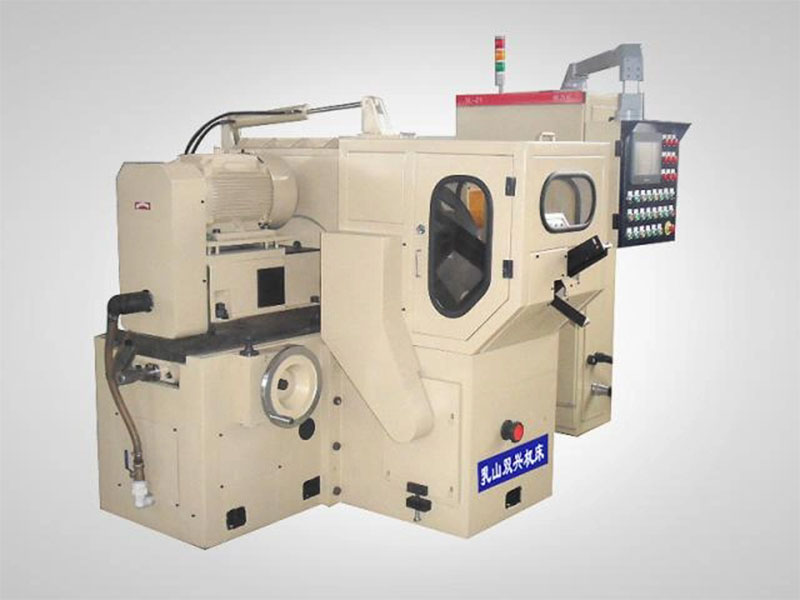
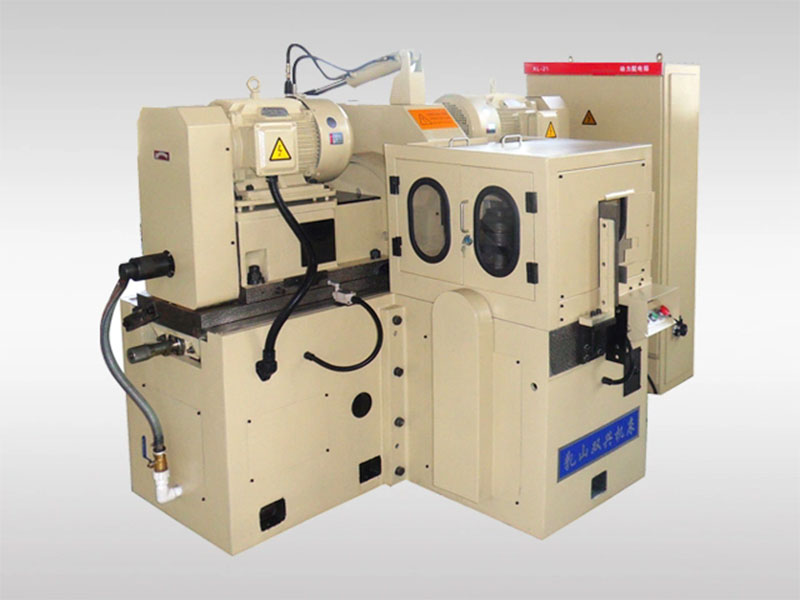
A double disc grinding machine addresses these limitations by grinding both sides simultaneously.
Because both grinding wheels remove material at the same time, machining forces remain balanced throughout the process. This produces more consistent thickness, improved parallelism, and a more uniform surface finish across every component.
For manufacturers producing thousands of identical parts each day, this consistency significantly improves overall production quality.
Surface finish depends on far more than grinding wheels alone.
Machine rigidity plays a fundamental role in maintaining stable machining conditions.
A rigid machine structure helps eliminate vibration that may otherwise leave unwanted marks on the workpiece surface.
High-quality grinding systems commonly incorporate:
Heavy-duty cast iron frames
Precision linear guideways
High-stiffness spindle assemblies
Dynamic balancing technology
These design features improve machining stability while extending equipment service life.
As production speeds increase, machine rigidity becomes even more important for maintaining consistent surface quality.
The grinding wheel is one of the most influential factors affecting machining performance.
Selecting the appropriate abrasive depends on:
Workpiece material
Hardness
Required surface roughness
Material removal rate
Production volume
For hardened bearing steel, CBN grinding wheels are frequently selected because of their excellent wear resistance and dimensional stability.
For carbide materials, diamond abrasives provide outstanding cutting performance and longer wheel life.
A high precision double disc grinding machine equipped with optimized abrasive technology can achieve exceptional surface finishes while maintaining high production efficiency.
Excellent surface quality cannot be achieved through machine capability alone.
Stable production processes are equally important.
Manufacturers increasingly use process control systems to monitor:
Maintaining constant grinding pressure prevents uneven material removal.
Stable coolant temperature minimizes thermal expansion and helps preserve dimensional accuracy.
Automatic compensation systems maintain consistent machining conditions as grinding wheels gradually wear.
Optimized feed rates balance productivity with surface finish requirements.
Together, these factors create a highly repeatable manufacturing process capable of producing identical results across long production runs.
Human variability remains one of the greatest challenges in precision manufacturing.
Automated production systems reduce this variability by standardizing every stage of the grinding process.
Typical automation technologies include:
Robotic loading
Automatic positioning
Online thickness measurement
Vision inspection
Automatic part sorting
These systems ensure every workpiece enters the grinding zone under identical conditions.
As a result, manufacturers achieve greater consistency while reducing inspection and rework costs.
A double sided grinding machine for precision metal components is especially effective when integrated into fully automated production lines.
Industry 4.0 is transforming quality management throughout manufacturing.
Instead of inspecting only finished products, modern factories monitor production continuously using digital technologies.
Smart grinding equipment can collect data including:
Spindle load
Grinding force
Surface temperature
Cycle time
Production efficiency
This information allows manufacturers to identify trends before quality issues develop.
By combining process monitoring with automated measurement, manufacturers create closed-loop production systems that continuously optimize machining performance.
Although precision finishing may appear to increase production costs, the opposite is often true.
Higher surface quality can reduce overall manufacturing expenses by:
Lowering rejection rates
Reducing assembly problems
Eliminating secondary finishing operations
Extending component service life
Improving customer satisfaction
For suppliers serving international OEMs, consistent surface quality also reduces warranty claims and strengthens long-term customer relationships.
As a result, many manufacturers now evaluate grinding equipment based on total production efficiency rather than simply machining speed.
Grinding technology continues to advance alongside broader manufacturing innovations.
Future developments are expected to include:
AI-assisted process optimization will automatically adjust machining parameters according to real-time production data.
Machines will continuously compensate for wheel wear and material variation without operator intervention.
Virtual production models will allow manufacturers to optimize machining strategies before production begins.
Improved coolant filtration, lower energy consumption, and environmentally friendly grinding processes will become standard features across the industry.
These technologies will further improve surface quality while increasing operational efficiency.
In modern manufacturing, surface finish is no longer simply a quality characteristic—it is a key contributor to product performance, production efficiency, and long-term competitiveness.
By combining simultaneous machining, rigid machine construction, advanced abrasives, intelligent controls, and automated inspection, the double disc grinding machine provides manufacturers with a reliable solution for producing consistently high-quality components.
As industries continue demanding tighter tolerances and better product reliability, investing in advanced grinding technology will remain an important strategy for manufacturers seeking sustainable growth in global markets.
Every component has unique machining requirements, and achieving superior surface quality begins with selecting the right equipment. Whether you manufacture bearings, hydraulic components, automotive parts, or precision mechanical products, our engineering team can recommend grinding solutions tailored to your production goals. Contact us today to discuss your application and discover how advanced grinding technology can improve both product quality and manufacturing efficiency.